Pothos vs Philodendron: 5 Easy Ways to Tell the Difference

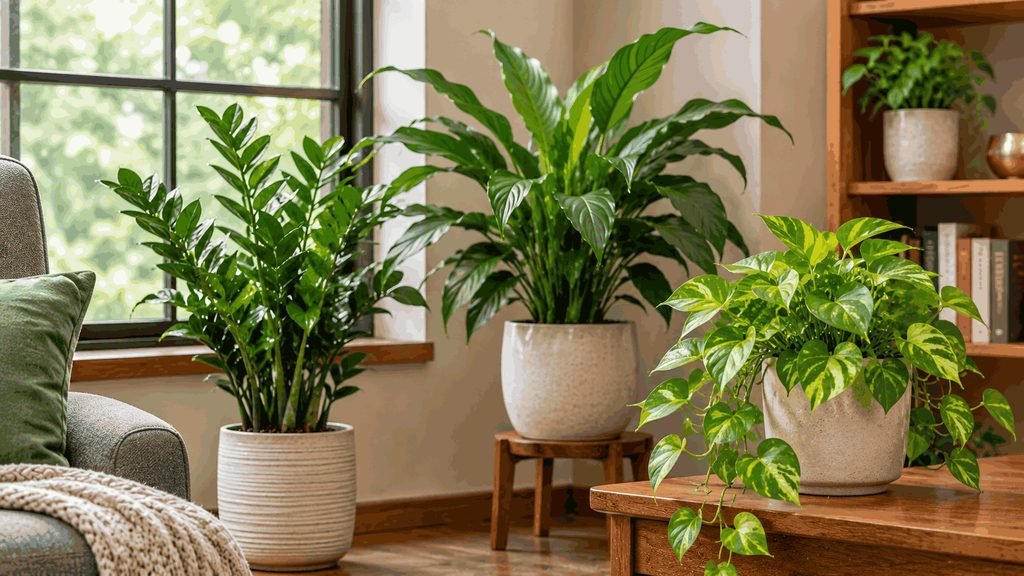
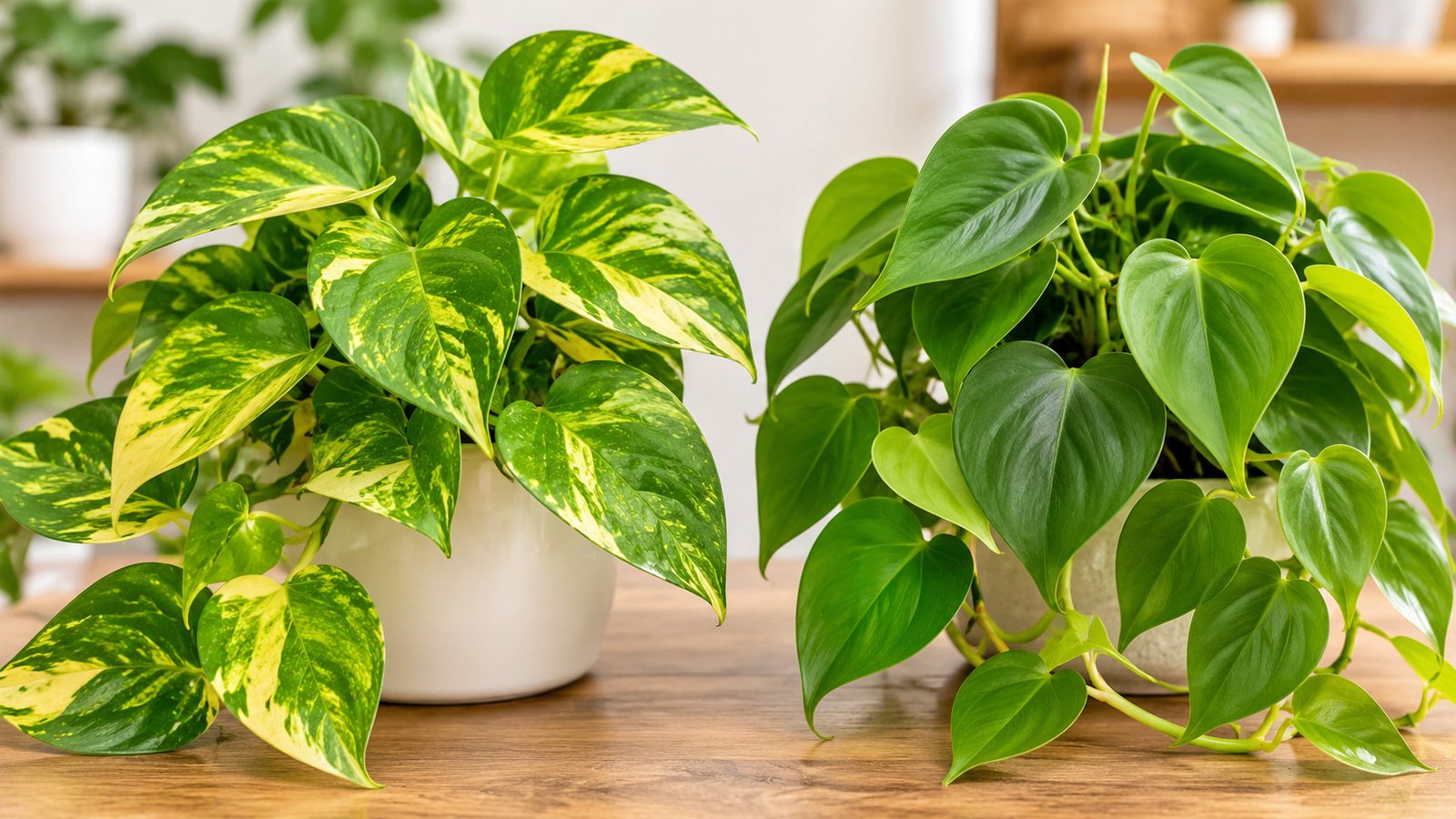
Golden pothos and heartleaf philodendron plants displayed side by side for comparison.

Pothos vs philodendron is one of the most common mix-ups in the houseplant world. Both have heart-shaped leaves, both trail and climb, and both are often sold under confusing labels, so it is easy to bring one home and wonder which it really is. The good news is that you can tell them apart with a few simple checks, and their care is almost the same. This guide gives you five easy tests, a side-by-side comparison, care tips and what you need to know about pets.

Quick answer: Look at a new leaf. A philodendron’s new leaf grows out of a thin, papery sheath called a cataphyll, which later dries up and falls off. A pothos has no sheath, and its new leaf simply unrolls from the stem. Pothos leaves are also thicker and waxier, while heartleaf philodendron leaves are thinner, softer and more evenly heart-shaped.
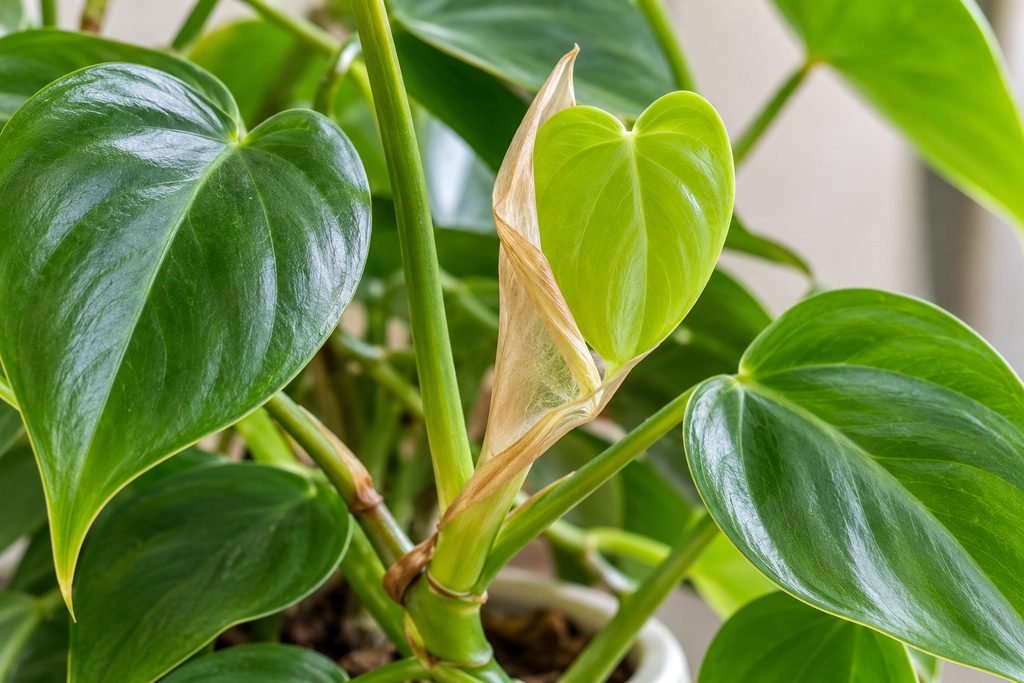
Heartleaf philodendron new leaf emerging from a papery cataphyll sheath.

Pothos vs Philodendron at a Glance

FeaturePothos (Epipremnum aureum)Heartleaf philodendron (Philodendron hederaceum)
Leaf textureThicker, waxy, glossyThinner, softer, matte
Leaf shapeSlightly rounded, often a little uneven at the baseMore evenly heart-shaped, with a pointed tip and a deeper notch
New leafUnrolls from the stem, with no sheathEmerges from a papery cataphyll that dries and falls off
Aerial rootsThick and stubby, usually one per nodeThinner and stringy, often two or more per node
Leaf stem (petiole)Thicker, with a groove along itThinner and smoother
Common looksOften variegated (yellow, white, marbled)Often solid green, with some lime or bronze types
CareVery easyVery easy, almost the same
PetsToxic to cats and dogsToxic to cats and dogs

Are Pothos and Philodendron the Same Plant?

No. They belong to the same plant family, Araceae (the arum family), but they are different genera. Pothos is Epipremnum aureum, also called golden pothos or devil’s ivy. When people say philodendron, they usually mean the heartleaf philodendron, Philodendron hederaceum. In older sources and on some plant labels it may still appear as Philodendron cordatum or scandens.

The Philodendron genus is huge, with many shapes and sizes, including big, split-leaf types. In this guide we compare pothos with heartleaf philodendron, because that is the one most often mistaken for it. One more thing: the plant sold as “satin pothos” is actually a different plant, Scindapsus pictus.

When comparing pothos vs philodendron, remember that shops mislabel them often, so the tests below are more reliable than the plant tag.

5 Easy Ways to Tell Pothos From Philodendron

No single test is perfect on its own, especially on young or variegated plants. Use two or three together.

1. Look at the Leaf Texture

Pothos leaves are thicker and waxier, with a glossy, almost plastic feel. Heartleaf philodendron leaves are thinner and softer, with a matte finish that looks more like fabric. Gently touch a leaf and compare.

2. Check the Leaf Shape

Both leaves are heart-shaped, but pothos leaves are usually a little rounder and uneven, with a base that can look slightly lopsided. A heartleaf philodendron leaf is more evenly heart-shaped, with a deeper notch where the stem joins and a longer, more pointed tip.
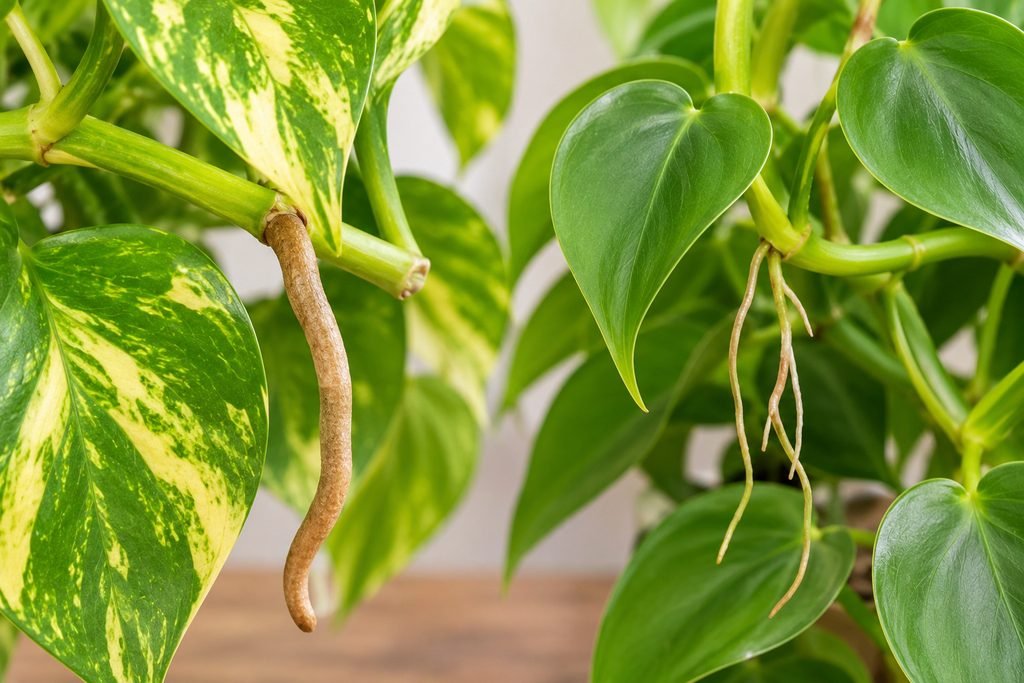
Thick pothos aerial root compared with the thinner aerial roots of a heartleaf philodendron.

3. Look for a Cataphyll (the Surest Test)

This is the test most plant lovers trust. A cataphyll is a small, modified leaf that wraps around each new leaf on a philodendron. It looks like a papery, pale green or brown sleeve near the newest growth, and it eventually dries up and falls off. A pothos does not have one. Its new leaf simply unrolls from the stem. If you see the papery wrapper, it is a philodendron. If you never do, it is almost certainly a pothos.

4. Compare the Aerial Roots

Both plants grow aerial roots from their stems, which help them climb. On a pothos, they are usually thick and stubby, and there is typically one at each node (the bump on the stem where a leaf grows). On a heartleaf philodendron, they are thinner and stringier, and you will often see two or more at one node.
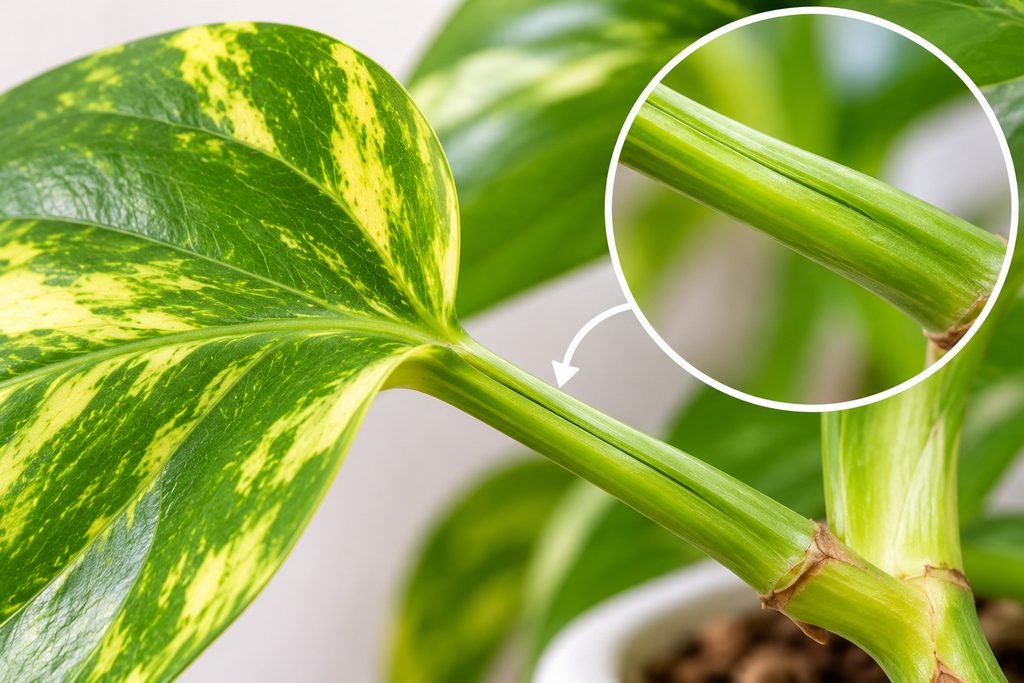
Close-up of a golden pothos leaf stem showing its distinctive longitudinal groove.

5. Feel the Leaf Stem

The petiole is the small stem that joins the leaf to the vine. On a pothos, it is thicker and has a groove running along it. On a philodendron, it is thinner and smoother.
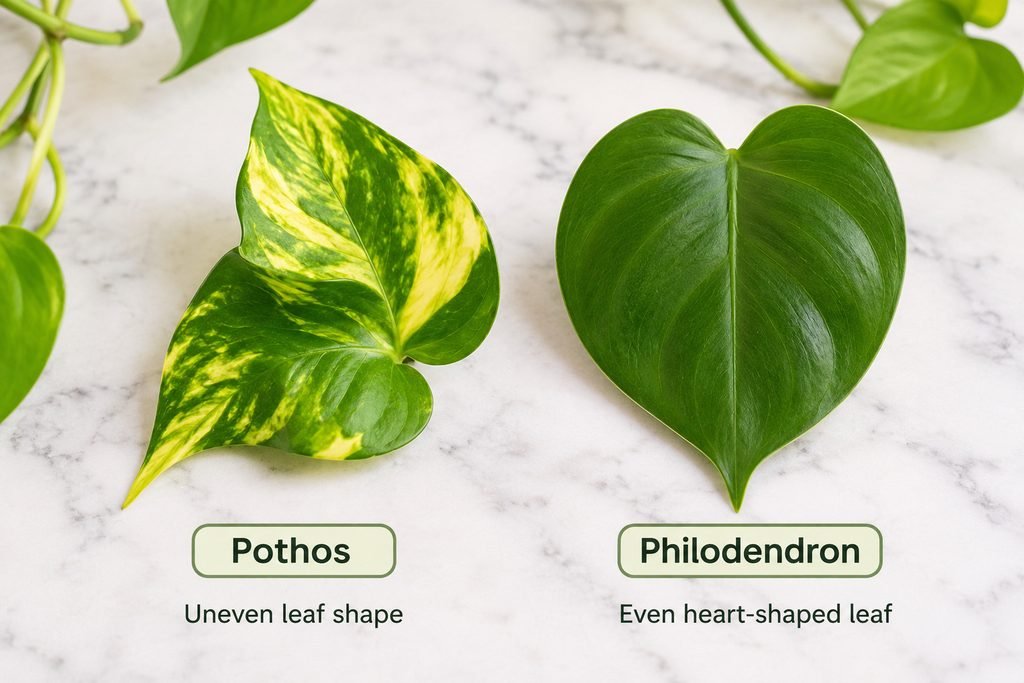
Pothos leaf with an uneven shape next to a philodendron leaf with a symmetrical heart-shaped structure.

Pothos vs Philodendron Care: Are They Different?

For most home growers, the care is nearly identical. Both are tough, forgiving and great for beginners.

  • Light: Bright, indirect light is best. Both tolerate lower light, but growth slows.
  • Water: Water when the top 1 to 2 inches (2.5 to 5 cm) of soil are dry, and let the extra water drain. Overwatering is the main cause of problems. Checking the soil before every watering is a habit worth building. See our [LINK: How Often to Water a Snake Plant] for a simple soil test you can use here too.
  • Soil and pot: A well-draining potting mix and a pot with drainage holes.
  • Temperature and humidity: Normal room temperatures are fine. Keep both away from cold drafts. Average household humidity is enough, and a little extra can help the leaves look their best.
  • Feeding: Light feeding in spring and summer is plenty.
  • Trimming: Trim long vines to keep them full. You can also train them up a moss pole or let them trail from a shelf or hanging pot.
  • Propagation: Both root easily from stem cuttings. Cut just below a node, remove the lowest leaf and place the cutting in water or moist soil. Roots usually form within a few weeks.

Pothos vs Philodendron in Low Light

Both are popular for dim rooms, which is why they appear on our list of Best Low Light Indoor Plants. in low light they grow more slowly and need less water. Variegated types, such as marbled pothos, may lose some of their pattern and look greener, and vines can become long and bare between the leaves. A brighter spot fixes this.

Are Pothos and Philodendron Toxic to Pets?

Yes, both are. They contain insoluble calcium oxalate crystals, which can cause burning and irritation of the mouth, tongue and lips, drooling, vomiting and difficulty swallowing if chewed or eaten. The ASPCA lists pothos as toxic to cats and dogs.

So when it comes to pothos vs philodendron, neither is the pet-safe choice. If you have pets, keep these plants in hanging baskets or on high shelves, out of reach. If your pet eats some, contact your vet or an animal poison control service. If you want pet-safe options for a dim room, see our Best Low Light Indoor Plants guide, which marks which plants are non-toxic.

Pothos:

  • Golden pothos: Green leaves with yellow streaks. The classic.
  • Marble Queen: Creamy white and green marbling.
  • Neon: Bright lime-yellow leaves.
  • Jade: Solid, deep green leaves.

Heartleaf philodendron:

  • Green heartleaf: Solid green heart-shaped leaves.
  • Brasil: Green leaves with yellow-green stripes.
  • Lemon Lime: Bright, chartreuse leaves.
  • Micans: Velvety leaves with a bronze-purple sheen.

Neon pothos and Lemon Lime philodendron look very alike. This is when the cataphyll test (test 3) is most useful.

Which One Should You Choose?

In the pothos vs philodendron choice, there is no wrong answer. Both are easy, fast-growing and forgiving. Use this guide:

If you want…Consider…
Bold patterns such as white marbling or yellow streaksPothos
A soft, classic heart shape and a matte lookHeartleaf philodendron
An easy plant for a beginnerEither one
A trailing plant for a shelf or hanging potEither one
A pet-safe plantNeither. Both are toxic

Frequently Asked Questions

Is a heartleaf philodendron the same as a pothos?

No. They look alike, but they are different plants from different genera. Use the five tests above to tell them apart.

Can pothos and philodendron share a pot?

Their needs are similar, so it can work. But the vines tangle together, they compete for space, and it becomes hard to tell which is which later. Separate pots are easier.

Which one grows faster?

Both grow quickly in good light. How fast they grow depends more on the variety, light and care than on which genus the plant belongs to.

Can I grow either one in water?

You can root stem cuttings of both in water. For long-term growth, move them into soil once they have healthy roots.

What is a satin pothos?

It is actually Scindapsus pictus, a different plant with silvery-spotted leaves, not a true pothos.

Final Thoughts

Pothos vs philodendron comes down to a few small clues: leaf texture, leaf shape, a cataphyll on new growth, the aerial roots and the leaf stem. Check two or three of them and you will know what you have. After that, the good news is that both plants want the same simple care: bright, indirect light, a soil check before each watering, and a safe spot away from curious pets.

Related reading: Best Low Light Indoor Plants and How Often to Water a Snake Plant

Iqra Saleem

Founder and Recipe Writer

I am Iqra Saleem, the founder and recipe writer at EatsFromHere. I have over five years of experience in cooking and food, along with an Advanced Diploma in Food Preparation & Cookery Supervision from the Karachi Institute of Culinary Arts (KICA).

Through EatsFromHere, I aim to help home cooks prepare tasty, affordable desi meals with clear instructions and practical guidance. My goal is to make everyday cooking easier for beginners and experienced home cooks alike.

Finding the best low light indoor plants can feel confusing when every list seems to say the same thing. Some plants only tolerate dim rooms, while others actually look good in them. And if you share your home with a cat or a dog, there is a second question: is this plant safe? This guide gives you 10 easy, reliable plants for low light, with honest notes about how much light each one needs, how to water it and whether it is toxic to pets.

The Best Low Light Indoor Plants at a Glance

PlantLight toleranceWateringSafe for cats and dogs?
Snake plantLow to brightLet soil dry fullyNo (toxic)
ZZ plantLow to mediumLet soil dry fullyNo (toxic)
PothosLow to brightWhen top 1 to 2 inches are dryNo (toxic)
Cast iron plantVery low to mediumWhen top inch or so is dryYes (non-toxic)
Parlor palmLow to mediumKeep lightly moistYes (non-toxic)
Peace lilyLow to mediumKeep evenly moistNo (toxic)
Chinese evergreenLow to mediumWhen top inch is dryNo (toxic)
Spider plantLow to brightKeep lightly moistYes (non-toxic)
Heartleaf philodendronLow to brightWhen top inch is dryNo (toxic)
Corn plant (Dracaena)Low to mediumWhen top half is dryNo (toxic)

Pet information is based on ASPCA listings. “Non-toxic” does not mean a pet can eat as much as it likes, because chewing plants can still upset a stomach.

What Does Low Light Actually Mean?

Low light does not mean no light. It usually means a spot with no direct sun, such as a room with a north-facing window (in the Northern Hemisphere), or a spot a few feet away from a bright window. Plants can survive there, but they grow more slowly.

Here is a quick way to check your own room:

  • The shadow test. Hold your hand about a foot above the spot around midday. A sharp, dark shadow means bright light. A soft, blurry shadow means medium to low light. Hardly any shadow means very low light.
  • The reading rule. If you can read comfortably during the day without switching on a lamp, the spot is probably fine for most low light plants.

A tip for readers worldwide: window direction works in reverse in the Southern Hemisphere. There, north-facing windows get the most sun and south-facing ones get the least.

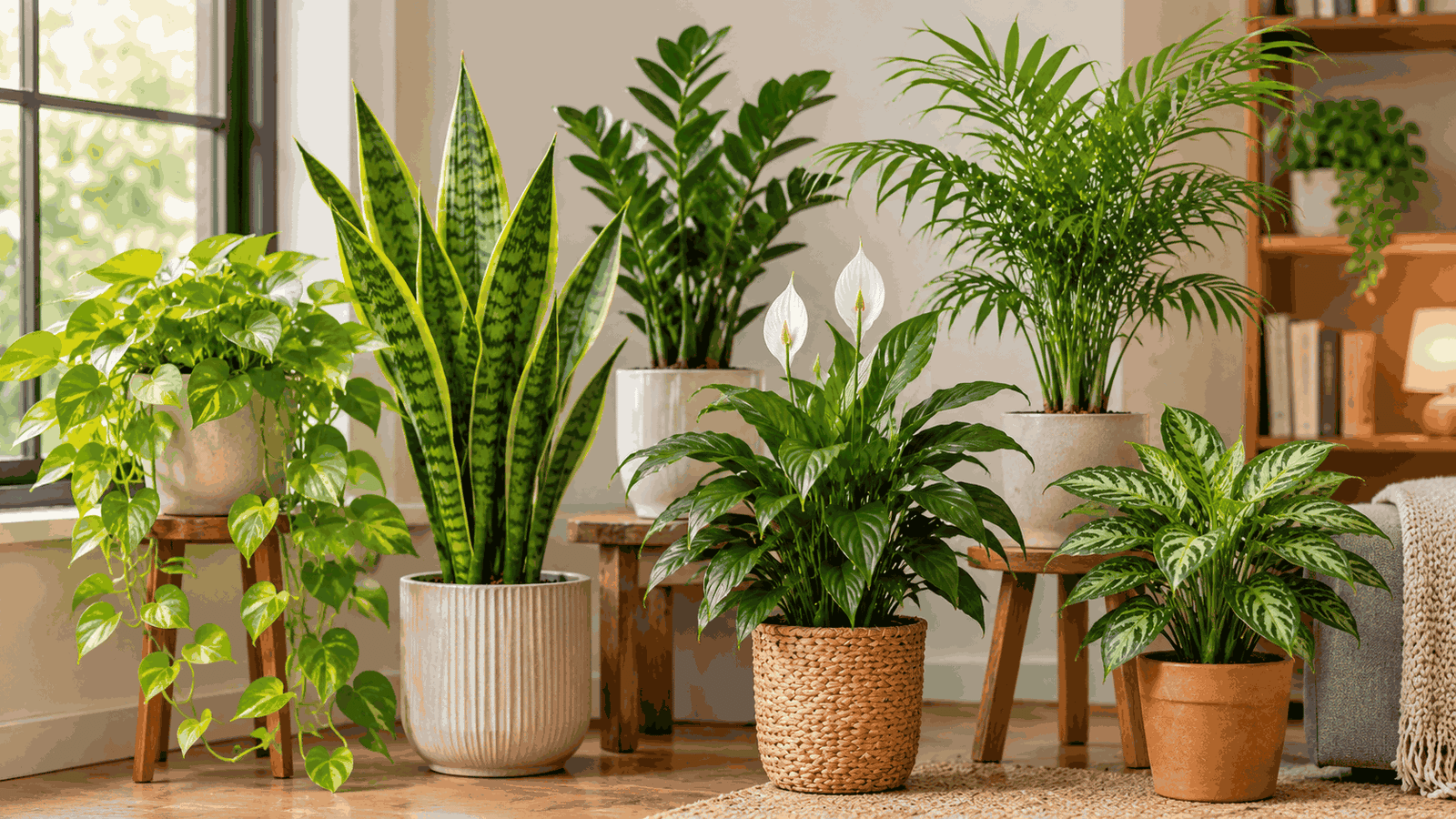
Indoor plants growing in a room with soft indirect natural light near a window.

10 Easy Low Light Plants to Try

Here are our picks for the best low light indoor plants, in no particular order. Every plant below can handle a dim room, but all of them grow better with some bright, indirect light.

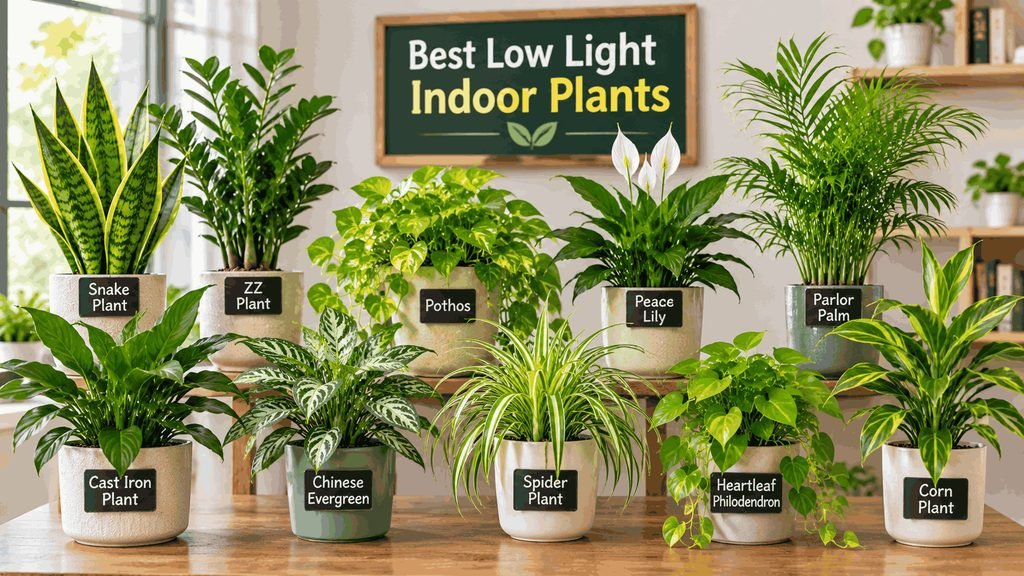
Different low-light indoor plants including snake plant, ZZ plant, pothos, peace lily, and parlor palm arranged in pots.

1. Snake Plant

  • Light: Low to bright
  • Water: Only when the soil is completely dry, usually every 2 to 3 weeks
  • Pets: Toxic to cats and dogs (ASPCA)

The upright leaves fit narrow corners and the plant tolerates neglect. Its biggest enemy is too much water, especially in dim rooms where soil dries slowly. See our Snake Plant Care guide and How Often to Water a Snake Plant.

2. ZZ Plant

  • Light: Low to medium, indirect
  • Water: Let the soil dry out between waterings, often every 2 to 4 weeks
  • Pets: Toxic to cats and dogs (ASPCA)

Glossy, dark leaves and thick underground stems that store water make the ZZ plant very forgiving. Growth is slow in low light. Wash your hands after handling it, because the sap can irritate skin.

3. Pothos

  • Light: Low to bright
  • Water: When the top 1 to 2 inches (2.5 to 5 cm) of soil are dry
  • Pets: Toxic to cats and dogs (ASPCA)

A fast, trailing vine that looks great on shelves or in hanging pots. In dim light, variegated types lose some of their pattern and look greener.

4. Cast Iron Plant

  • Light: Very low to medium
  • Water: When the top inch or so is dry. Do not overwater
  • Pets: Non-toxic (ASPCA)

As its name suggests, it is almost indestructible and handles deep shade and cooler rooms. It grows slowly, so buy a fuller plant if you want an instant effect. Keep it out of direct sun, which can scorch the leaves.

5. Parlor Palm

  • Light: Low to medium
  • Water: Keep the soil lightly moist, but not soggy
  • Pets: Non-toxic (ASPCA)

A soft, feathery palm that suits living rooms and bedrooms and usually stays about 2 to 4 feet (60 to 120 cm) tall indoors. Very dry air can cause brown tips and attract spider mites.

6. Peace Lily

  • Light: Low to medium
  • Water: Keep evenly moist. It droops dramatically when thirsty, which makes it easy to read
  • Pets: Toxic to cats and dogs (ASPCA)

Peace lilies tolerate low light, but they flower less there. Despite the name, it is not a true lily, but the ASPCA still lists it as toxic to pets.

7. Chinese Evergreen

  • Light: Low to medium
  • Water: When the top inch of soil is dry
  • Pets: Toxic to cats and dogs (ASPCA)

It offers pretty patterned leaves. Plain dark green varieties handle lower light best, while silver or pink types prefer a bit more brightness. It dislikes cold drafts.

8. Spider Plant

  • Light: Low to bright (grows best in bright, indirect light)
  • Water: Keep the soil lightly moist
  • Pets: Non-toxic (ASPCA)

A cheerful, arching plant that sends out baby plantlets, perfect for hanging pots. In low light it grows slower and makes fewer babies. Brown tips are common and are usually caused by dry soil or minerals in the water.

9. Heartleaf Philodendron

  • Light: Low to bright
  • Water: When the top inch of soil is dry
  • Pets: Toxic to cats and dogs (ASPCA)

Similar to pothos, with heart-shaped leaves and trailing stems. It is a good choice for a high shelf, out of reach of pets.

10. Corn Plant (Dracaena)

  • Light: Low to medium
  • Water: When the top half of the soil is dry
  • Pets: Toxic to cats and dogs (ASPCA)

If you want a tall plant for a floor corner, this is a classic. It can reach several feet indoors. Avoid soggy soil, and keep it away from cold drafts.

How to Choose the Best Low Light Indoor Plants for Your Room

Start with your light, then choose by room and by pets.

If you need…Try…
A bedroom plantSnake plant, ZZ plant, parlor palm, pothos
An office desk plantZZ plant, snake plant, Chinese evergreen, cast iron plant
A bathroom with a windowPothos, peace lily, spider plant (most plants will not survive a bathroom with no window at all)
A tall floor plantCorn plant, parlor palm, tall snake plant
A shelf or hanging plantPothos, heartleaf philodendron, spider plant
A pet-safe choiceCast iron plant, parlor palm, spider plant

Also think about how much time you have. If you forget to water, pick a snake plant or ZZ plant. If you like a plant that tells you when it is thirsty, the peace lily is a good fit.

Pet Safety: Which Low Light Plants Are Safe for Cats and Dogs?

Many popular low light plants are toxic to pets. In the list above, the snake plant, ZZ plant, pothos, peace lily, Chinese evergreen, heartleaf philodendron and corn plant are listed by the ASPCA as toxic to cats and dogs. Chewing them can cause drooling, vomiting or stomach upset, and some cause mouth irritation.

Best Low Light Indoor Plants for Homes With Pets

If you have curious pets, the best low light indoor plants are the non-toxic ones. From this list, those are the cast iron plant, parlor palm and spider plant. Even non-toxic plants can cause stomach upset if a pet eats a lot, so keep an eye on them.

If you already own a toxic plant, keep it on a high shelf or in a room your pet cannot enter. If you think your pet has eaten part of a plant, contact your vet or an animal poison control service right away. Always check each plant’s status on the ASPCA website, because lists can change.

How to Care for Plants in Low Light

Even the best low light indoor plants need a little extra care to do well in dim spots.

  • Water less. Plants in low light use water slowly. Always check that the soil is dry before watering. Overwatering is the number one killer in dim rooms.
  • Use a pot with drainage holes and a well-draining mix.
  • Rotate the pot every few weeks so all sides get light.
  • Wipe the leaves. Dust blocks light, so wipe leaves with a damp cloth now and then.
  • Feed lightly. Plants in low light barely grow, so they need little fertilizer.
  • Add a grow light if needed. If a spot is very dark, a basic LED grow bulb in a normal lamp, on a timer for several hours a day, can make a big difference.
  • Give them a break. Every so often, swap the plant into a brighter spot for a while.
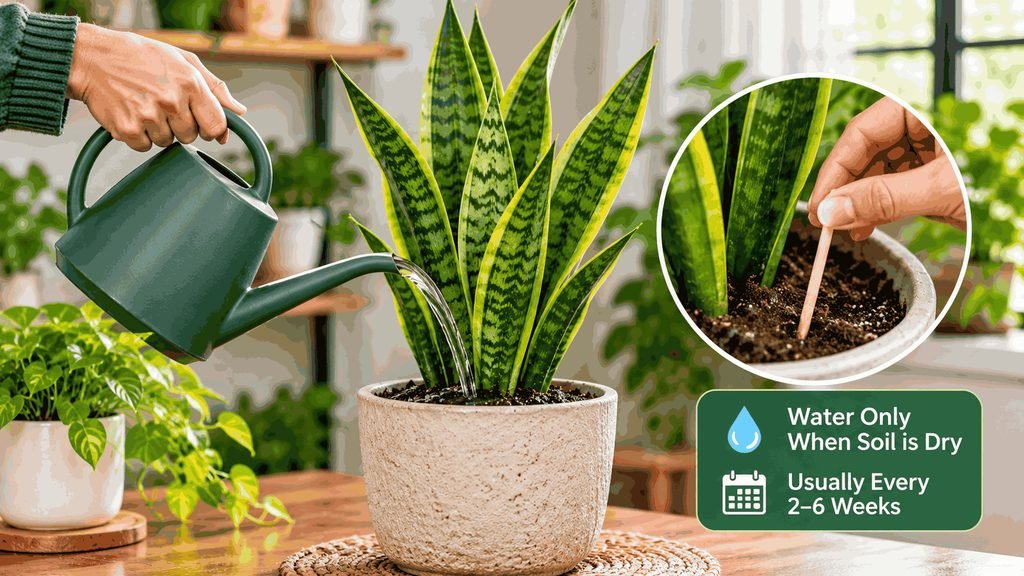
Watering an indoor snake plant and checking soil moisture as part of low-light plant care.

Do Low Light Plants Clean the Air?

You will often see low light plants advertised as air purifiers. That claim comes mostly from a 1989 NASA study that tested plants in small, sealed chambers. Later research suggests that in a normal home, ventilation matters far more than a few houseplants. None of the best low light indoor plants should be treated as an air purifier. Choose them because they look good, they are easy to look after and they make a room feel alive.

Frequently Asked Questions

Can indoor plants grow with no natural light?

Not for long. Plants need light to live. In a room with no window, you need a grow light. Otherwise, swap the plant into a brighter place regularly.

What is the easiest low light plant?

The snake plant, ZZ plant and cast iron plant are three of the most forgiving. Choose the cast iron plant if you have pets.

What are the best plants for a bathroom?

A bathroom with a window can suit pothos, peace lily or spider plant. A bathroom with no window is hard for any plant, so use a grow light or rotate plants in and out.

Do low light plants need less water?

Yes, usually. Slow growth means less water use, and soil stays wet longer in dim rooms. Test the soil before every watering.

Which low light plants are safe for cats and dogs?

From our list, the cast iron plant, parlor palm and spider plant are listed as non-toxic by the ASPCA. Always double-check on the ASPCA site before you buy.

Final Thoughts

The best low light indoor plants are the ones that fit your light, your routine and your pets. Start with one or two easy plants, such as a snake plant or cast iron plant, check the soil before every watering, and give them a brighter break now and then. A dim corner can look green and lively with the right plant.

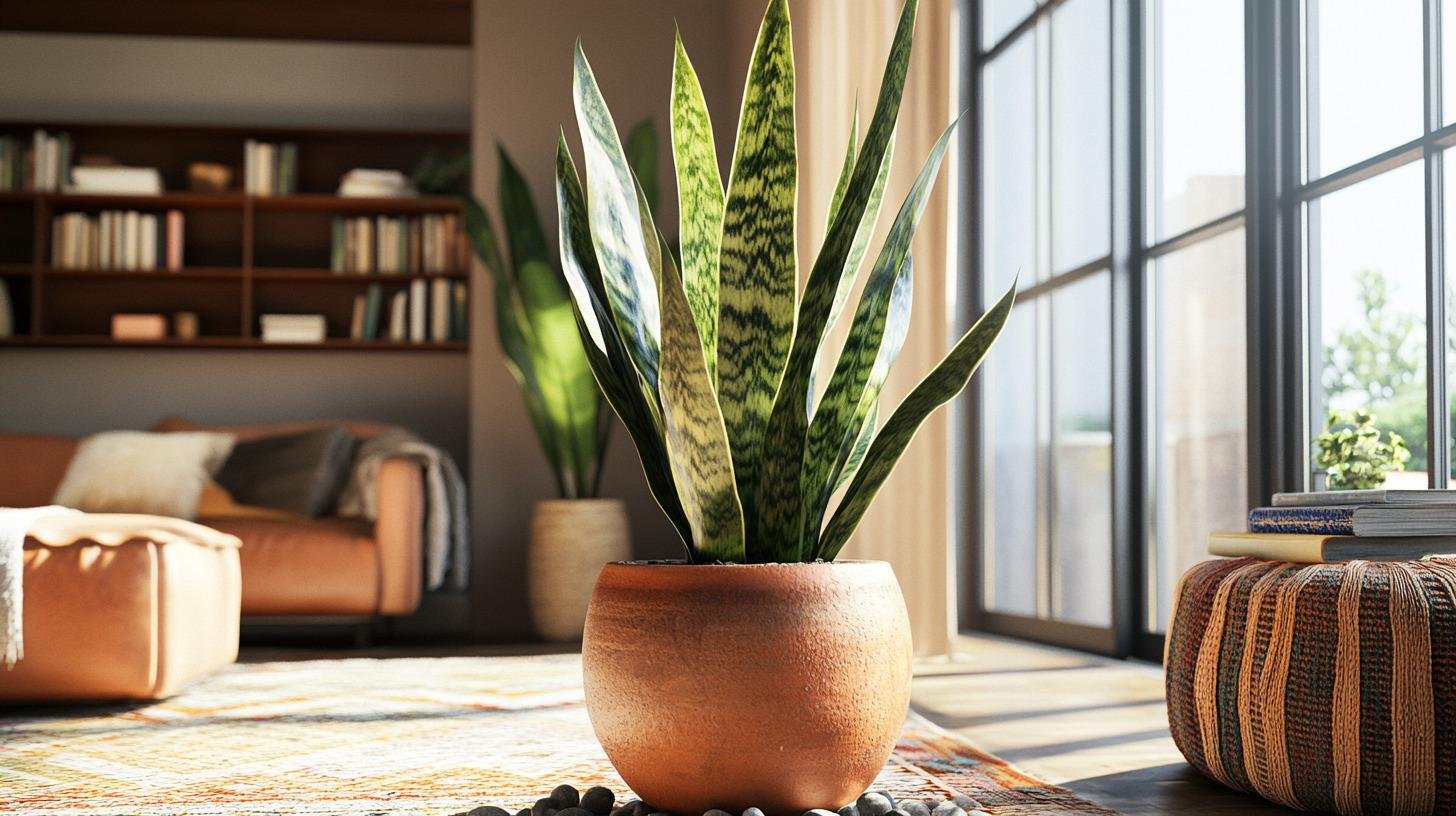
Snake plant care is simple once you know what this tough plant actually wants. It handles dim corners, missed waterings and busy schedules better than almost any other houseplant, yet it still struggles when it is overwatered or planted in the wrong pot. This guide covers everything in one place: light, water, soil, temperature, repotting, propagation, pets and the most common problems. Whether you have just bought your first plant or you are trying to rescue one, you will find clear, practical steps below.

Snake Plant Care at a Glance

Here is the short version. The sections below explain each point.

WhatWhat your snake plant needs
LightBright, indirect light is ideal. It tolerates low light and some direct sun
WaterOnly when the soil is completely dry. Roughly every 2 to 3 weeks in the growing season, much less in winter
SoilFast-draining cactus or succulent mix
PotA pot with a drainage hole. Terracotta helps the soil dry faster
TemperatureIdeally about 65 to 85°F (18 to 29°C). Avoid anything below 50°F (10°C)
HumidityNormal household humidity is fine. No misting needed
FeedingLight feeding in spring and summer, none in fall and winter
RepottingEvery 2 to 5 years, or when the plant is crowded
PropagationDivision (keeps variegation) or leaf cuttings
PetsToxic to cats and dogs

The snake plant (Dracaena trifasciata, formerly Sansevieria trifasciata) comes in many shapes and colors. The care is very similar for all of them, though some details differ. A few popular types:

  • ‘Laurentii’: The classic, with dark green leaves and yellow edges.
  • ‘Moonshine’: Pale, silvery-green leaves.
  • ‘Hahnii’ (bird’s nest): A compact, low rosette of short leaves.
  • Cylindrica types: Round, spear-like leaves, sometimes braided. These are close relatives with the same easy-going care.

Variegated types such as ‘Laurentii’ need a little more light to keep their patterns.

Snake Plant Light Requirements

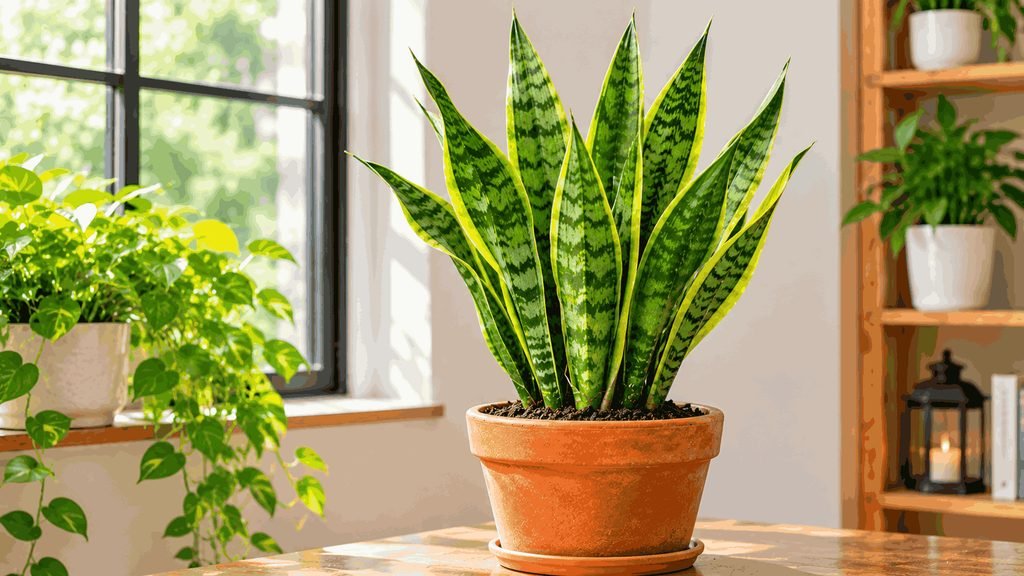
Healthy snake plant growing near a window with bright indirect sunlight.

Good snake plant care starts with light. Bright, indirect light, such as a spot near an east- or north-facing window, gives the best growth and the richest colors. A few hours of gentle direct sun is usually fine, but hot afternoon sun through glass can scorch the leaves.

Snake plants also survive in low light, but growth slows down and variegated types lose some of their contrast. Signs that your plant needs more light:

  • New leaves are thinner and paler than older ones.
  • The plant leans toward the window.
  • Variegated leaves lose their yellow or silver edges.

A snake plant cannot live in total darkness, so a windowless bathroom is not a good long-term home unless you add a grow light. Turn the pot a quarter turn every few weeks so it grows evenly, and wipe dust off the leaves with a damp cloth so they can take in light.

How to Water a Snake Plant

Watering is where most people go wrong. The golden rule: water only when the soil has dried out completely, then water thoroughly and let the excess drain. In the growing season this is usually every 2 to 3 weeks, and in winter it can be every 4 to 6 weeks or even less.

For the full routine, including a soil test, seasonal schedule and signs of over- and underwatering, read our guide on How Often to Water a Snake Plant.

Best Soil and Pot for a Snake Plant

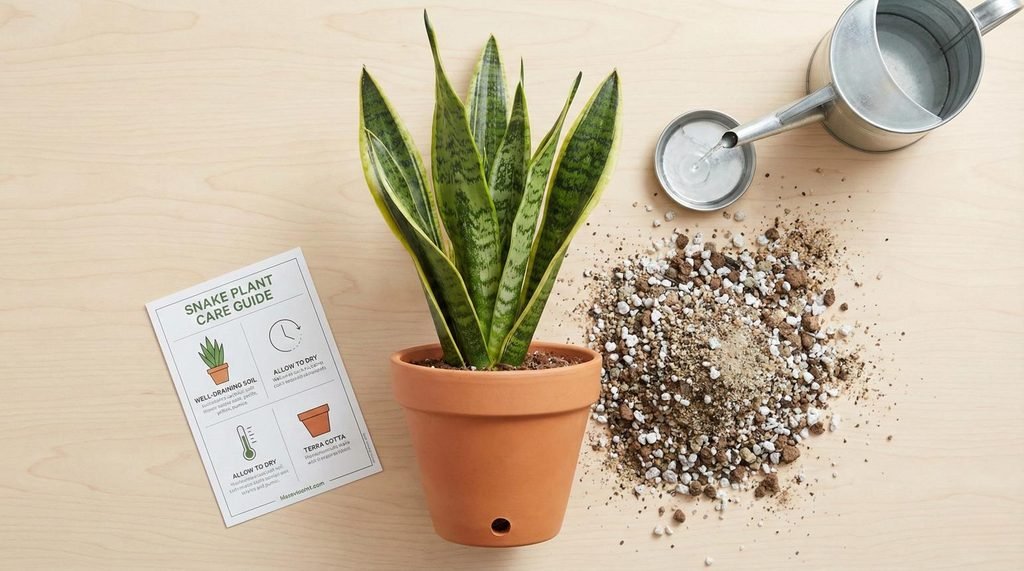
Snake plant in a terracotta pot with well-draining soil, perlite and a drainage hole.

Snake plants hate wet feet, so drainage matters more than anything else here.

  • Soil: Use a cactus or succulent mix, or mix regular potting soil with perlite or coarse sand so water drains quickly. Dense, peaty soil stays wet too long.
  • Pot: Always choose a pot with a drainage hole. Terracotta is a good choice because it lets the soil dry faster, and its weight keeps tall plants from tipping over.
  • Size: Pick a pot only slightly bigger than the root ball, about 1 to 2 inches (2.5 to 5 cm) wider. Snake plants like to be snug, and a very large pot holds extra wet soil.

Temperature, Humidity and Feeding

Temperature. Snake plants are happiest in normal room temperatures, about 65 to 85°F (18 to 29°C). They can handle brief dips, but anything below about 50°F (10°C) can damage the leaves. Keep them away from cold windows in winter, and from air-conditioning vents and drafts.

Humidity. Average household humidity is fine. Skip the misting, because it does not help and wet leaves can encourage problems.

Feeding. Snake plants need very little fertilizer. Feed lightly once or twice in spring and summer using a balanced houseplant or cactus fertilizer, following the diluted strength on the label. Do not feed in fall and winter, or if the plant is in low light. Too much fertilizer builds up salts in the soil and can burn the roots.

Repotting a Snake Plant: When and How

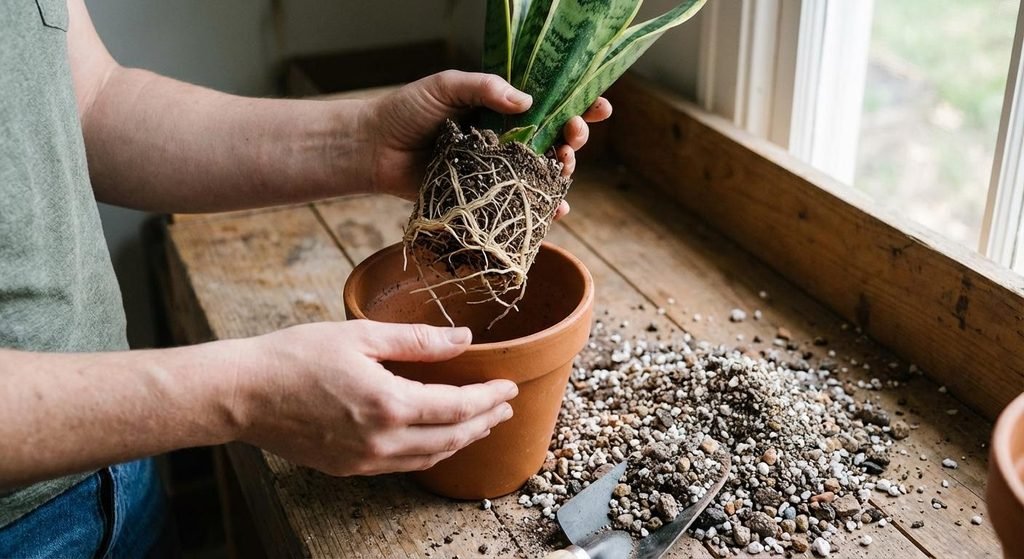
- Snake plant being transferred into a slightly larger terracotta pot with fresh well-draining soil.

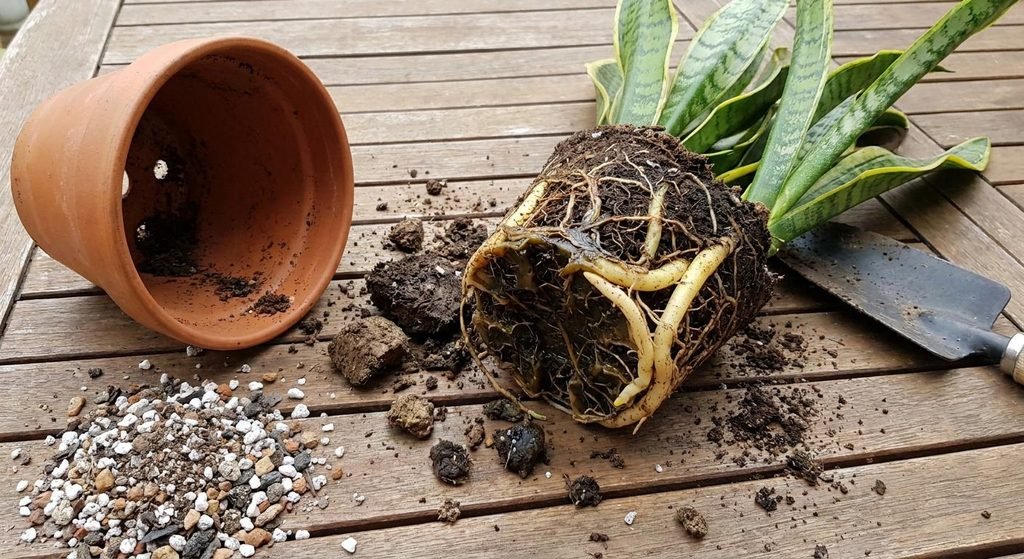
Repotting is the one big job in snake plant care. These plants grow slowly and like to be slightly crowded, so you only need to repot every 2 to 5 years. Signs it is time:

  • Roots are growing out of the drainage holes.
  • The pot is bulging or cracking.
  • The plant keeps tipping over.
  • Water runs straight through without soaking in.

How to repot (best in spring or early summer):

  1. Water lightly a day or two before so the plant is not brittle.
  2. Slide the plant out of its pot, gently loosening the roots.
  3. Check the roots and trim any that are soft, brown or smelly.
  4. Place the plant in a slightly larger pot with fresh, fast-draining mix, at the same depth as before.
  5. Wait several days to a week before watering, so any damaged roots can heal.

If you see small plants (pups) growing from the base, you can separate them at this stage. See the next section.

How to Propagate a Snake Plant

There are two easy ways to make more snake plants. Spring and summer are the best times.

Method 1: Division (best for variegated types)

  1. Take the plant out of its pot.
  2. Look for pups, which are young shoots joined by thick underground stems (rhizomes).
  3. Cut or gently pull them apart, making sure each piece has roots and at least one leaf.
  4. Plant each division in its own pot with fresh, fast-draining mix, and water lightly.

Method 2: Leaf Cuttings

  1. Cut a healthy leaf at the base with clean scissors.
  2. Cut it into sections about 3 to 4 inches (8 to 10 cm) long, and remember which end was the bottom. Sections planted upside down will not root.
  3. Let the cut ends dry for a day or two.
  4. Place the bottom end in water or lightly damp soil, in bright indirect light.
  5. Be patient. Roots can take several weeks, and new plantlets take longer.

Important: Leaf cuttings from variegated types such as ‘Laurentii’ usually grow back as plain green plants, because the yellow edges are not reliably passed on. To keep the pattern, propagate by division.

Snake Plant Care Indoors vs Outdoors

Most people grow snake plants indoors, where they are very easy. In warm climates you can also grow them outside. As a rough guide, they can live outdoors year-round in USDA zones 9 to 11, in partial shade to bright light. In the ground they can spread aggressively in some regions, so check local guidance before planting them in a garden bed, or keep them in pots.

Snake plant care changes with the seasons and with your climate:

  • Winter: Growth slows, so water far less and stop feeding. Remember that winter means roughly December to February in the Northern Hemisphere and June to August in the Southern Hemisphere.
  • Cold regions: Bring potted plants indoors before temperatures drop toward 50°F (10°C).
  • Hot climates: In warm areas, such as much of South Asia, the Middle East or Southeast Asia, soil can dry faster in hot months, so check it more often. Protect leaves from harsh midday sun.

Common Snake Plant Problems and Fixes

ProblemLikely causeWhat to do
Yellow leavesOverwatering, poor drainage, cold, too much sun or natural agingCheck the soil and roots. See Snake Plant Leaves Turning Yellow
Soft, mushy base or leavesOverwatering and root rotStop watering and check the roots. See How Often to Water a Snake Plant
Brown tipsSoil staying too dry for too long, fertilizer salts, or physical damageWater thoroughly, flush the soil and feed less
Leaves falling over or droopingToo much water, too little light, cold, or a pot that is too bigCheck soil moisture, light and temperature
Wrinkled, curling leavesUnderwateringWater deeply, then follow the soil test
Very slow growthLow light, winter, or just a naturally slow growerGive more light in the growing season
Sticky residue, webbing or white fluffPests such as mealybugs or spider mitesIsolate the plant and wipe the leaves

Snake Plant Care Mistakes That Cause Most Problems

Most problems come back to a few habits:

  • Watering on a fixed schedule instead of checking the soil.
  • Using a pot with no drainage hole.
  • Choosing a pot that is far too large.
  • Leaving the plant in a dark corner and then overwatering it.
  • Keeping it near cold windows or drafts in winter.

Are Snake Plants Safe for Pets?

No. The ASPCA lists the snake plant as toxic to cats and dogs. It contains saponins, which can cause nausea, vomiting and diarrhea if chewed or eaten. Part of responsible snake plant care is keeping it out of reach of curious pets. If your pet eats some, contact your vet or an animal poison control service.

Do Snake Plants Really Clean the Air?

You may have read that snake plants purify indoor air. That idea comes largely from a 1989 NASA study that tested plants in small, sealed chambers. Later research suggests that in a normal home, ordinary ventilation does far more for air quality than a few houseplants. So grow your snake plant for its looks and easy nature, not as an air purifier.

Frequently Asked Questions

How fast does a snake plant grow?

Slowly. Most growth happens in spring and summer, and plants in low light grow even more slowly. Do not be worried if it seems to do nothing for months.

Can a snake plant live in a bathroom or a dark room?

It can survive low light, but not total darkness. If there is no window, use a grow light, or move the plant to a brighter spot.

Do snake plants flower?

Rarely indoors. When they do, they produce small, pale, fragrant flowers on a tall stalk. Do not worry if yours never flowers.

Should I mist my snake plant?

No. It does not need extra humidity.

Should I cut off damaged leaves?

Yes, if a leaf is mostly yellow, brown or mushy. Cut it off at the base with clean, sharp scissors.

Final Thoughts

Snake plant care really comes down to a few habits: give it bright, indirect light, plant it in fast-draining soil in a pot with drainage, water only when the soil is completely dry, and leave it alone the rest of the time. Get those right and this plant will reward you with years of steady, easy growth.

Start with the basics, learn your plant’s rhythm, and use the problem table above whenever something looks off.

Finding snake plant leaves turning yellow can be a shock, especially when this is the plant everyone calls almost impossible to kill. Do not panic. Yellow leaves are your plant’s way of saying that something in its setup is off, and most of the time you can fix it. The trick is working out which cause fits your plant, because the cure for too much water is the opposite of the cure for too little. This guide helps you diagnose the problem in a few minutes and tells you exactly what to do next.

Snake Plant Leaves Turning Yellow: The Quick Diagnosis

By far the most common cause is overwatering. But other problems can look similar, so match what you see to the table below.

What you seeMost likely causeFirst thing to try
Soft, mushy yellow leaves, wet soil, bad smellOverwatering or root rotStop watering and check the roots
Pale, dry, wrinkled yellow leavesUnderwateringWater deeply, then follow the soil test
Yellow or bleached patches on the sunniest sideToo much direct sunMove to bright, indirect light
Slowly fading, floppy leaves and a leaning plantToo little lightMove closer to a window
Sudden yellowing after a cold night or draftCold damageMove away from cold glass and vents
One or two of the oldest outer leaves yellowing slowlyNatural agingNothing to fix
Yellowing with sticky residue, webbing or white fluffPestsIsolate the plant and wipe the leaves
Yellowing with white crust on the soil, or very old soilFertilizer build-up or tired soilFlush and refresh the soil

If you are not sure, check the soil and the base of the plant first. Wet soil and a soft base point straight to overwatering.

First, Check Whether the Yellowing Is Normal

Not every case of snake plant leaves turning yellow is a problem. Two situations are completely normal:

  • Natural aging. The oldest, outermost leaves slowly turn yellow, shrivel and fade as the plant replaces them with new growth. If the rest of the plant looks healthy and new leaves are coming, there is nothing to fix.
  • Variegated varieties. Some types, such as ‘Laurentii’, naturally have yellow or gold edges. If the yellow border was there when you bought the plant and new leaves show the same pattern, that is simply how the plant looks.

If neither applies, keep reading.

8 Common Reasons for Snake Plant Leaves Turning Yellow

Plenty of things can lead to snake plant leaves turning yellow, so work through these in order. Start with number one, because it is the most likely.

1. Overwatering: The Top Reason for Snake Plant Leaves Turning Yellow

Snake plants store water in their thick leaves and underground stems, so they cope with dry spells far better than with wet soil. When the soil stays soggy, the roots cannot get oxygen and begin to rot. The leaves turn yellow, feel soft or mushy, and may fall over. The base of the plant may be dark and smell bad.

What to do: Stop watering. Take the plant out of its pot, shake off the wet soil and look at the roots. Healthy roots are firm and light in color. Rotten roots are brown or black, soft and smelly. Trim the rotten parts with clean scissors, repot in fresh, fast-draining soil in a pot with drainage holes, and wait a week or more before watering again. For the full routine, see our guide on How Often to Water a Snake Plant.

The New York Botanical Garden also has useful advice on how to water a snake plant.

Snake plant being removed from its pot for root inspection.

2. Poor Drainage or Heavy Soil

Even with careful watering, a pot with no drainage hole or a dense, peaty soil keeps the roots wet for too long. Water left in the saucer or a decorative outer pot causes the same problem.

What to do: Use a pot with drainage holes, empty the saucer after watering, and switch to a cactus or succulent mix, or lighten regular potting soil with perlite or coarse sand.

3. Underwatering

This is much less common, but it happens. Leaves turn pale yellow or straw-colored, feel dry or brittle, and may wrinkle or curl. The soil is bone dry and may pull away from the edge of the pot.

What to do: Water thoroughly until water drains from the bottom, or set the pot in a few inches of water for 10 to 20 minutes and let it drain. Then go back to checking the soil before each watering instead of watering on a fixed date.

4. Too Much Direct Sun

Snake plants handle a lot of light, but harsh afternoon sun through glass can scorch the leaves. You will see yellow or bleached patches, often on the side facing the window, which may later turn brown and crispy.

What to do: Move the plant back from the window or filter the light with a sheer curtain. Bright, indirect light is ideal. If you want to move it into more sun, do it gradually.

5. Too Little Light

Snake plants tolerate low light, but not darkness. In a very dim spot, growth slows, leaves lose their rich color and the plant may lean toward the light. Low light also keeps the soil wet longer, which makes overwatering more likely.

What to do: Move the plant to a brighter spot and water less often until it adjusts.

6. Cold Temperatures and Drafts

Snake plants are tropical in origin and dislike the cold. Temperatures below about 50°F (10°C), cold windows in winter and drafts from doors or air-conditioning vents can cause yellow, soft or water-soaked leaves.

What to do: Keep the plant away from cold glass and vents, and give it a warmer spot. Remember that winter falls in different months depending on where you live, roughly December to February in the Northern Hemisphere and June to August in the Southern Hemisphere. In very hot climates the problem is often the opposite: strong sun and air conditioning, so check both.

7. Too Much Fertilizer or Tired Soil

Snake plants need very little feeding. Too much fertilizer builds up salts in the soil and can burn the roots, leading to yellowing. You may see a white crust on the soil surface. On the other hand, soil that has not been refreshed for years can become compacted and poor.

What to do: Flush the soil with plenty of water so it drains freely, and stop feeding for a while. If the soil is old and compacted, repot into fresh mix. When you do feed, follow the label and use less rather than more.

8. Pests and Leaf Diseases

Mealybugs (white, cottony clusters), spider mites (fine webbing and speckled leaves) and scale (small brown bumps) can all cause yellowing. Fungal leaf spots can appear as yellowish-brown marks, especially when leaves stay wet.

What to do: Isolate the plant. Wipe the leaves with a damp cloth, and dab small clusters of mealybugs or scale with a cotton swab dipped in rubbing alcohol. Check the underside of leaves and the base. Avoid wetting the leaves, and if an infestation is severe, follow the instructions on a product made for houseplants.

How to Fix Yellow Snake Plant Leaves, Step by Step

Work through these steps in order, and change only one thing at a time so you know what helped.

  1. Look at which leaves are yellow. The oldest outer leaves point to natural aging. Many leaves at once, or new leaves, point to a care problem.
  2. Check the soil. Wet means overwatering or poor drainage. Bone dry means underwatering.
  3. Check the base and roots if leaves are soft or the soil smells. Trim rotten roots and repot if needed.
  4. Check light and temperature. Look for harsh direct sun, a very dark spot, cold windows or drafts.
  5. Inspect the leaves and soil for pests, sticky residue or a salt crust.
  6. Fix the cause, then wait. Recovery is slow. New, healthy growth over the next few weeks is the real sign that the fix worked.

Should You Cut Off Yellow Leaves? Can They Turn Green Again?

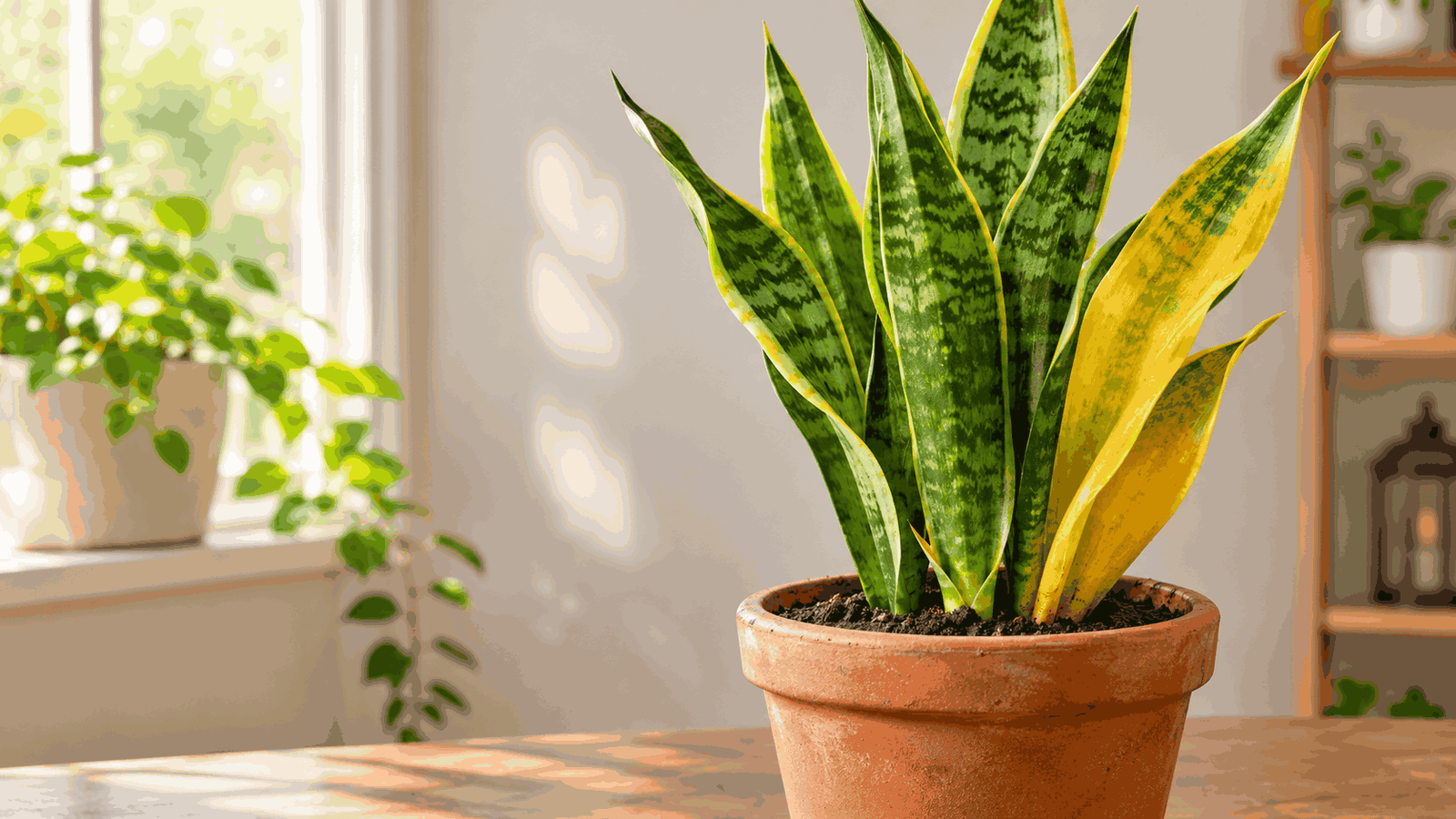
Once a leaf has turned mostly yellow, it rarely goes back to green. Mild yellowing caused by too much sun may improve if you fix the light early, but a fully yellow leaf is usually finished.

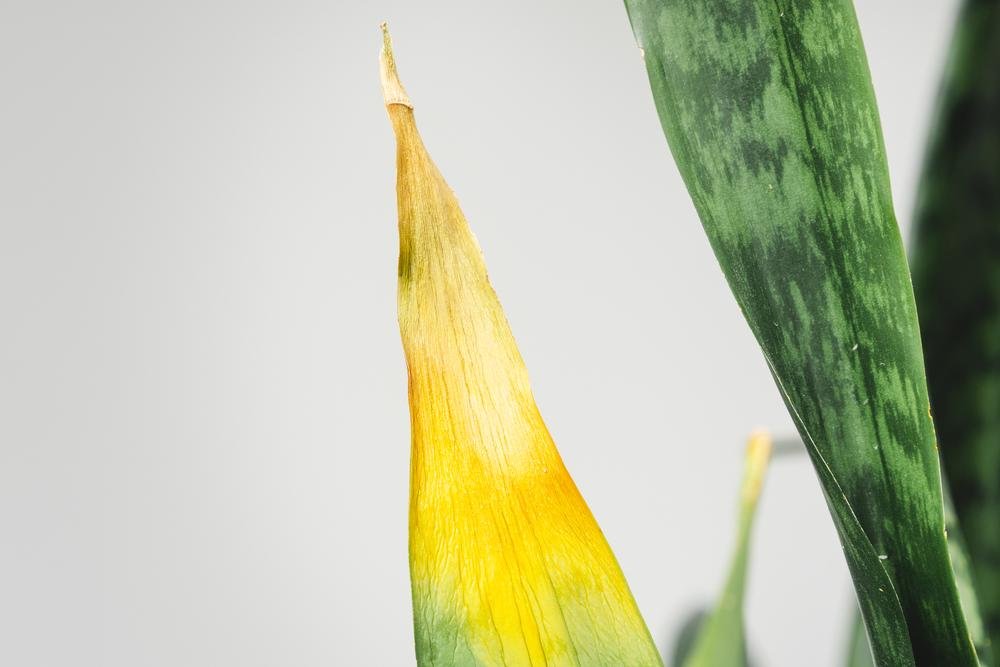
Close-up of a snake plant leaf with yellow discoloration among green leaves.
  • Remove leaves that are mostly yellow, brown or mushy. Cut them off at the base with clean, sharp scissors or a knife.
  • Leave leaves that are only slightly yellow, as long as they are still firm. They still help the plant.
  • Do not cut healthy leaves just because one is yellow.

Removing damaged leaves does not cure the problem. Fix the cause, or the next leaf will follow.

How to Prevent Yellow Leaves in the Future

The best way to avoid snake plant leaves turning yellow is to get watering and drainage right. These habits help:

  • Check the soil and water only when it is completely dry.
  • Use a pot with drainage holes and a fast-draining soil mix.
  • Give bright, indirect light, and avoid scorching afternoon sun through glass.
  • Keep the plant away from cold drafts, and water much less in winter.
  • Feed lightly, if at all.
  • Check leaves and soil for pests once a month.
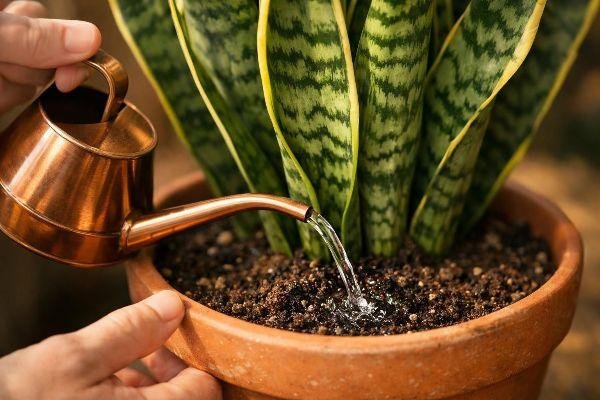
Water being poured onto the soil of an indoor snake plant.

Frequently Asked Questions

Why is my snake plant turning yellow and soft?

Soft, yellow leaves usually mean overwatering and root rot, though cold damage can look similar. Check the soil moisture and the base of the plant.

Why is only one leaf yellow?

If it is one of the oldest outer leaves, it is probably natural aging. If it is a newer leaf, check the roots, soil moisture and light.

Why did my snake plant turn yellow after repotting?

Repotting can stress the plant and damage roots. A pot that is too big, or fresh soil that stays wet, can also lead to rot. Let the soil dry out before watering again.

Can a snake plant with mostly yellow leaves be saved?

Often, yes, if the roots or the underground stem are still firm. Remove the damaged leaves, fix the cause and be patient. If the base is mostly rotten, you may be able to grow new plants from healthy leaf cuttings.

Is yellowing normal in winter?

Not really. A cold, wet pot in winter is a common cause. Water less, keep the plant warm and make sure it gets as much light as possible.

Final Thoughts

Snake plant leaves turning yellow is a sign to slow down and look at your care routine, not a reason to give up. Start with the soil, then check light, temperature and pests. In most cases, adjusting your watering and drainage is enough to turn things around.

Fix one thing at a time, give your plant a few weeks, and watch for new growth. That is how you know it is recovering.

Related reading: How Often to Water a Snake Plant and Snake Plant Care Guide
If you have ever stood over your snake plant with a watering can, wondering whether it is thirsty or you are about to drown it, you are not alone. Working out how often to water a snake plant is the question new plant owners ask most, and it is also where most people go wrong. The good news is that this plant forgives a lot, and the rule is simple once you know it. In this guide you will get a realistic schedule for every season, an easy soil test, and the warning signs to watch for.

The Short Answer: How Often to Water a Snake Plant
Most snake plants need water about every 2 to 3 weeks in spring and summer, and only every 4 to 6 weeks (sometimes even less) in winter. But the calendar is just a starting point. The real rule is this: water only when the soil has dried out completely.

Here is a quick guide to the usual ranges:

Your situationTypical watering frequency
Bright indirect light, warm seasonEvery 2 to 3 weeks
Low lightEvery 3 to 5 weeks
Cool room or winterEvery 4 to 6 weeks, sometimes less
Hot, dry climate or very sunny spotEvery 1 to 2 weeks
Small or terracotta potToward the shorter end
Large or plastic potToward the longer end

These are rough ranges, not rules. Even experienced growers quote anything from every two weeks to every eight weeks, which shows how much your own home conditions matter.

Why Snake Plants Need Less Water Than Most Houseplants

The snake plant (Dracaena trifasciata, formerly called Sansevieria trifasciata) is native to West Africa. Its thick, upright leaves and underground stems (called rhizomes) store water, so it copes with dry spells far better than leafy tropical plants. A missed watering rarely hurts it. A pot that stays soggy can.

That is the key idea behind everything below: with a snake plant, too much water is a much bigger risk than too little.

The Soil Test: The Best Way to Know When to Water

Instead of watering on a fixed date, check the soil.

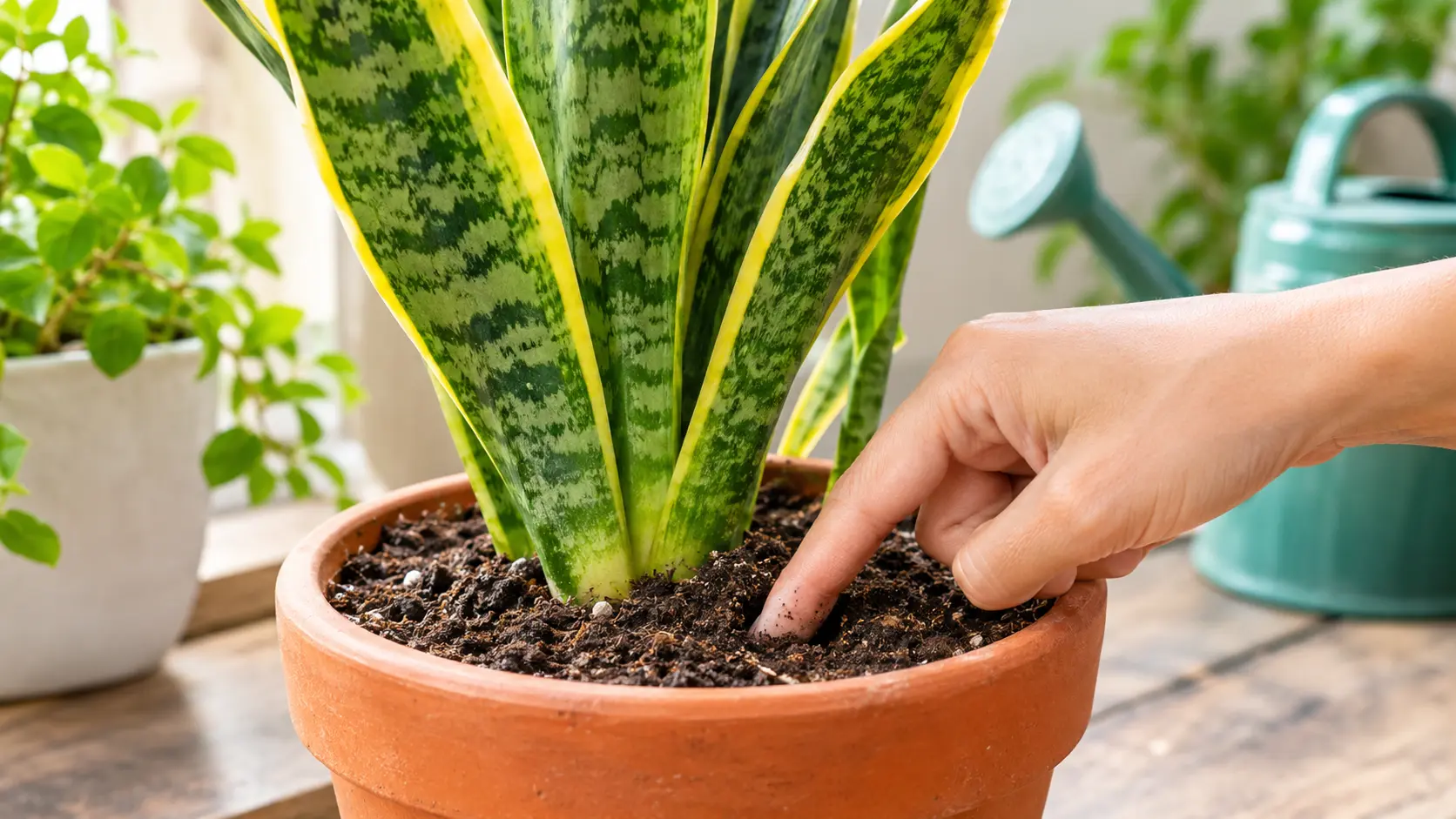
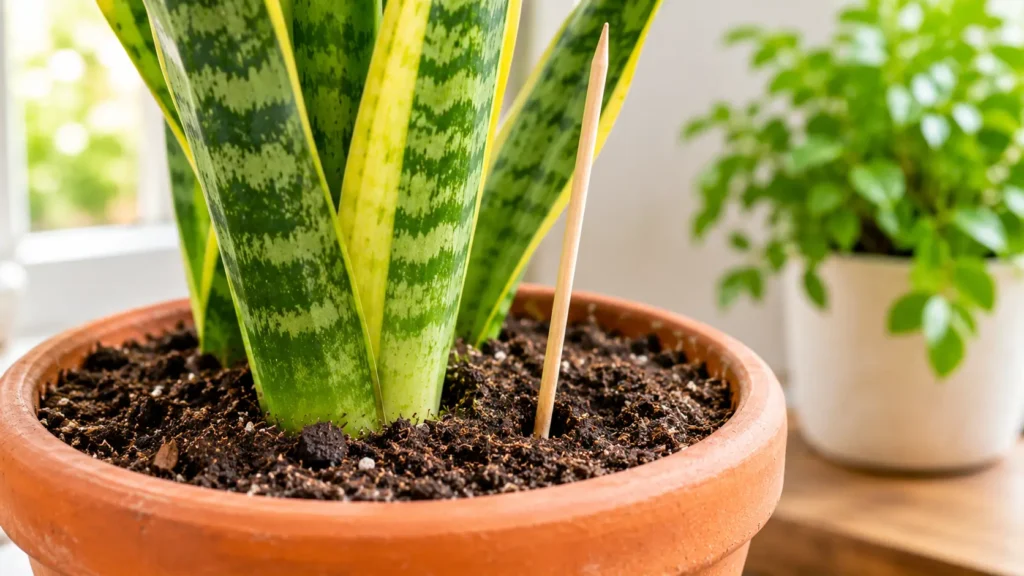
  1. Finger test. Push your finger about 2 inches (5 cm) into the soil. If it feels damp or cool, wait.
  2. Skewer test (for big pots). Push a wooden skewer or chopstick all the way to the bottom and pull it out. If dark, damp soil clings to it, wait. If it comes out clean and dry, it is time.
  3. Lift test. Pick up the pot right after watering, then again when the soil is dry. Dry soil feels much lighter, and you will learn this feel quickly.

A moisture meter can help, but treat it as a rough guide and confirm with your finger.

Wooden skewer pushed into snake plant soil to check dryness

What Changes Your Snake Plant Watering Schedule?

Two snake plants in two different homes can need very different watering. These are the main factors.

Light

Snake plants tolerate low light, but a plant in a dim corner uses water slowly, so the soil stays wet longer. More light means faster drying and more frequent watering.

How Often to Water a Snake Plant in a Small Pot vs a Large Pot
Small pots hold less soil, so they dry faster. Large pots stay damp for longer, especially if the plant is small for the pot. Material matters too: terracotta lets moisture escape through the walls and dries quickly, while plastic and glazed ceramic hold water longer. Whatever you choose, the pot must have a drainage hole.

Soil Mix

A fast-draining mix, such as a cactus or succulent mix or regular potting soil lightened with perlite or coarse sand, dries faster and protects the roots. Dense, heavy soil can stay wet for weeks.

Temperature, Humidity and Climate

Warm, dry air pulls moisture from the soil faster. Cool, humid rooms slow it down. A plant next to a heater or in an air-conditioned room can behave very differently from the same plant in a cool bedroom.

So when someone asks how often to water a snake plant, the honest answer starts with: it depends on your home. Use the table above as a starting point, then let the soil test decide.

How to Water a Snake Plant, Step by Step

  1. Check that the soil is fully dry using the tests above.
  2. Use room-temperature water. Very cold water can shock the roots.
  3. Water the soil, not the plant’s center. Pour slowly around the edge of the pot. Water that collects in the middle of the leaf rosette can cause rot.
  4. Water thoroughly. Keep going until water runs out of the drainage holes. A few small sips are worse than one deep drink, because they leave the lower roots dry and the top soil constantly damp.
  5. Let it drain. After 15 to 20 minutes, empty the saucer or decorative outer pot. Never leave the plant standing in water.
  6. Wait until the soil is completely dry again before the next watering.

Once you know how often to water a snake plant in your own home, note the date on a calendar or phone reminder. After a few rounds you will see your plant’s natural rhythm.

Bottom watering also works. Set the pot in a few inches of water for 10 to 20 minutes, then let it drain fully. Do not leave it sitting.

How Often to Water a Snake Plant in Winter (and Other Seasons)
In winter, snake plants grow very little. Light is weaker and rooms are often cooler, so the soil takes much longer to dry. Many owners water only every 4 to 6 weeks, and some less. Cold plus wet soil is the fastest route to root rot, so when in doubt, wait. Try to keep the plant away from cold windows and drafts, and avoid temperatures below about 50°F (10°C).

Two things to keep in mind, wherever you live:

  • Winter depends on your hemisphere. In the Northern Hemisphere it is roughly December to February. In the Southern Hemisphere it is roughly June to August.
  • Hot or tropical climates are different. If your home stays warm all year, such as in much of South Asia, the Middle East or Southeast Asia, your plant may keep growing and dry out quickly in hot months. You might water every 1 to 2 weeks then, and less during the cooler weeks. Heaters and air conditioning also change how fast soil dries, so keep testing the soil.

In spring and summer, when growth picks up, return to the regular 2 to 3 week pattern, again guided by the soil. In autumn, slow down gradually as days shorten.

Overwatered vs Underwatered Snake Plant: How to Tell

Snake plants show stress clearly, but the signs can look similar at first. Use this table.

What you seeOverwatered snake plantUnderwatered snake plant
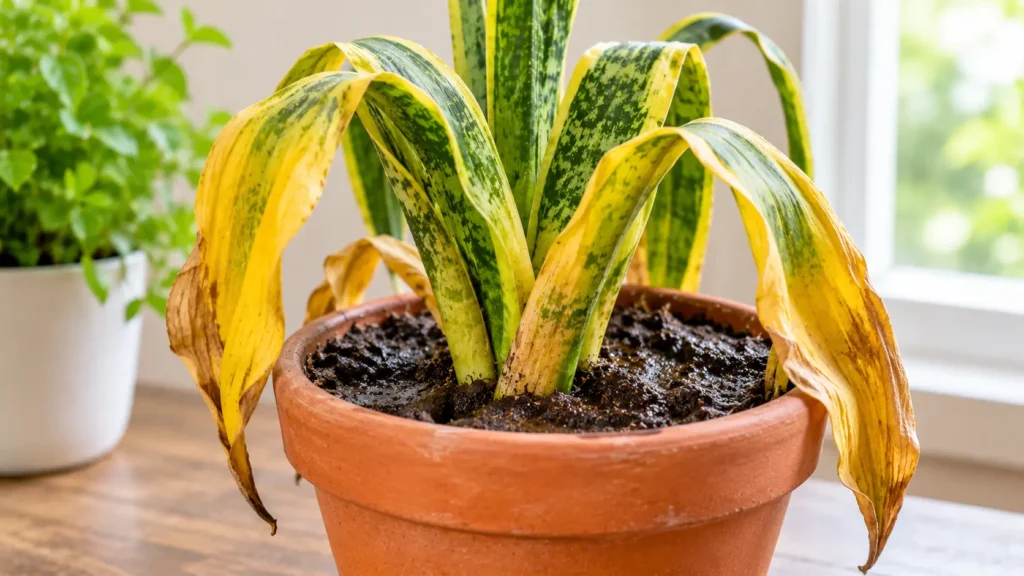
LeavesYellowing, soft, collapsing or falling overWrinkled, curling, thinner and dull
Base of the plantSoft, mushy, dark; may smell badFirm
SoilStays wet for days; may smell sour; fungus gnatsVery dry, may pull away from the pot edge
How fast it happensOften fairly suddenlyGradually, over weeks

Overwatering is the far more common problem. If you are unsure, check the soil and the base of the plant before adding any water.

Overwatered snake plant with yellowing, collapsing leaves

What to Do If You Have Overwatered Your Snake Plant

  1. Stop watering and move the plant to bright, indirect light.
  2. Take the plant out of its pot and gently shake off the wet soil.
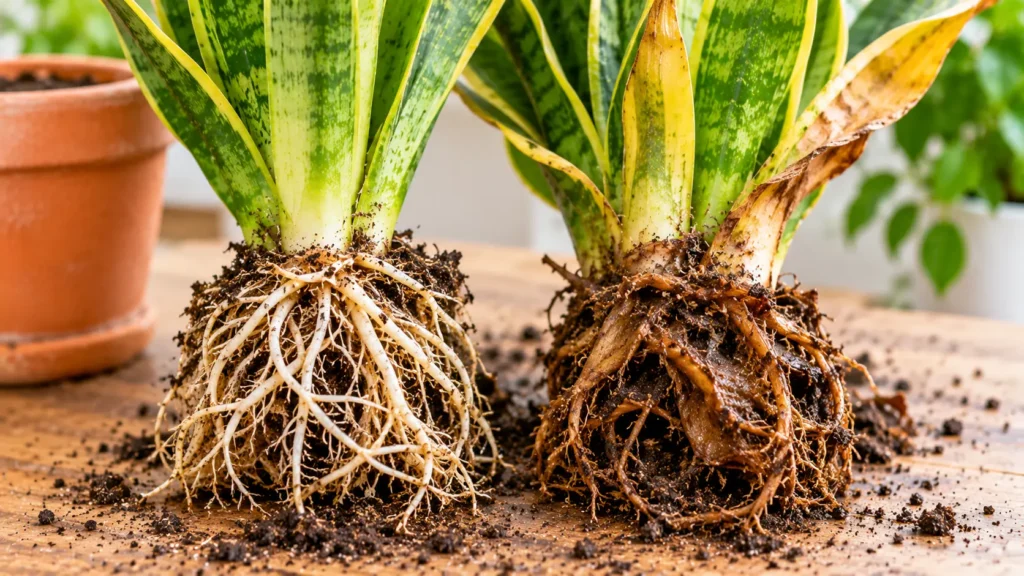
  3. Inspect the roots. Healthy roots are firm and light in color. Rotted roots are brown or black, soft and often smelly.
  4. Trim the rotten parts with clean scissors or a clean knife.
  5. Repot in fresh, fast-draining mix in a pot with drainage holes.
  6. Wait before watering again. Let the soil stay dry for a week or more, then return to the soil test.

If the base is mostly rotten, you may still save the plant by propagating a healthy leaf. Recovery is slow, so be patient.

Healthy firm roots next to rotted brown roots of a snake plant

Common Watering Mistakes

  • Following a fixed schedule no matter what. Rigid calendars are the main reason people get how often to water a snake plant wrong. Always test the soil first.
  • Using a pot without drainage holes. Water collects at the bottom and rots the roots.
  • Leaving water in the saucer or decorative pot. Empty it after watering.
  • Giving small sips often. Water deeply, then wait.
  • Not slowing down in winter. The plant needs far less water in cool, low-light months.
  • Using dense soil. Heavy mixes hold water too long. Choose a fast-draining mix.
  • Misting the leaves. Snake plants do not need it.

Frequently Asked Questions

Can a snake plant go a month without water?

Often, yes. Many snake plants are fine for several weeks, especially in winter or low light. Check the soil rather than counting days.

Should I mist my snake plant?

No. It does not need extra humidity, and water sitting on or between the leaves is not helpful.

How much water does a snake plant need each time?

Enough to wet the whole root ball so water drains out of the bottom, then let it dry completely before the next watering.

Do I water the leaves or the soil?

The soil. Pour around the edge of the pot and avoid filling the center of the leaf rosette.

Are snake plants safe for pets?

No. The ASPCA lists the snake plant as toxic to cats and dogs. It contains saponins, which can cause nausea, vomiting and diarrhea if chewed or eaten. Keep it out of reach, and if your pet eats some, contact your vet or the ASPCA Poison Control line.

Final Thoughts

Learning how often to water a snake plant comes down to one habit: check the soil, and water only when it is completely dry. Expect roughly every 2 to 3 weeks in the warm, bright months, and much less in winter or low light. If you only remember one thing, remember that this plant would rather be a little too dry than a little too wet.

Start with the soil test, adjust for your light, pot and climate, and your snake plant will reward you with years of steady growth.

Want help with other plant problems? Read our Why Are My Plant Leaves Turning Yellow? and Snake Plant Care Guide