ZZ Plant vs Snake Plant: 7 Differences and Which One to Pick
ZZ plant vs snake plant is the classic showdown between the two toughest houseplants you can buy. Both survive missed waterings, both tolerate dim rooms, and both are recommended to nearly every beginner. But they look different, they like different amounts of light, and they have their own quirks. This guide compares them side by side so you can pick the right one, or decide to grow both.
Quick answer: In the ZZ plant vs snake plant choice, pick the ZZ plant for glossy, arching stems and a spot with no direct sun. Pick the snake plant for upright, sword-like leaves and a brighter spot, even one with a little direct sun. Both are easy, both grow slowly and both are toxic to pets.
ZZ Plant vs Snake Plant at a Glance
| Feature | ZZ plant | Snake plant |
| Scientific name | Zamioculcas zamiifolia | Dracaena trifasciata |
| Plant family | Araceae (arum family) | Asparagaceae |
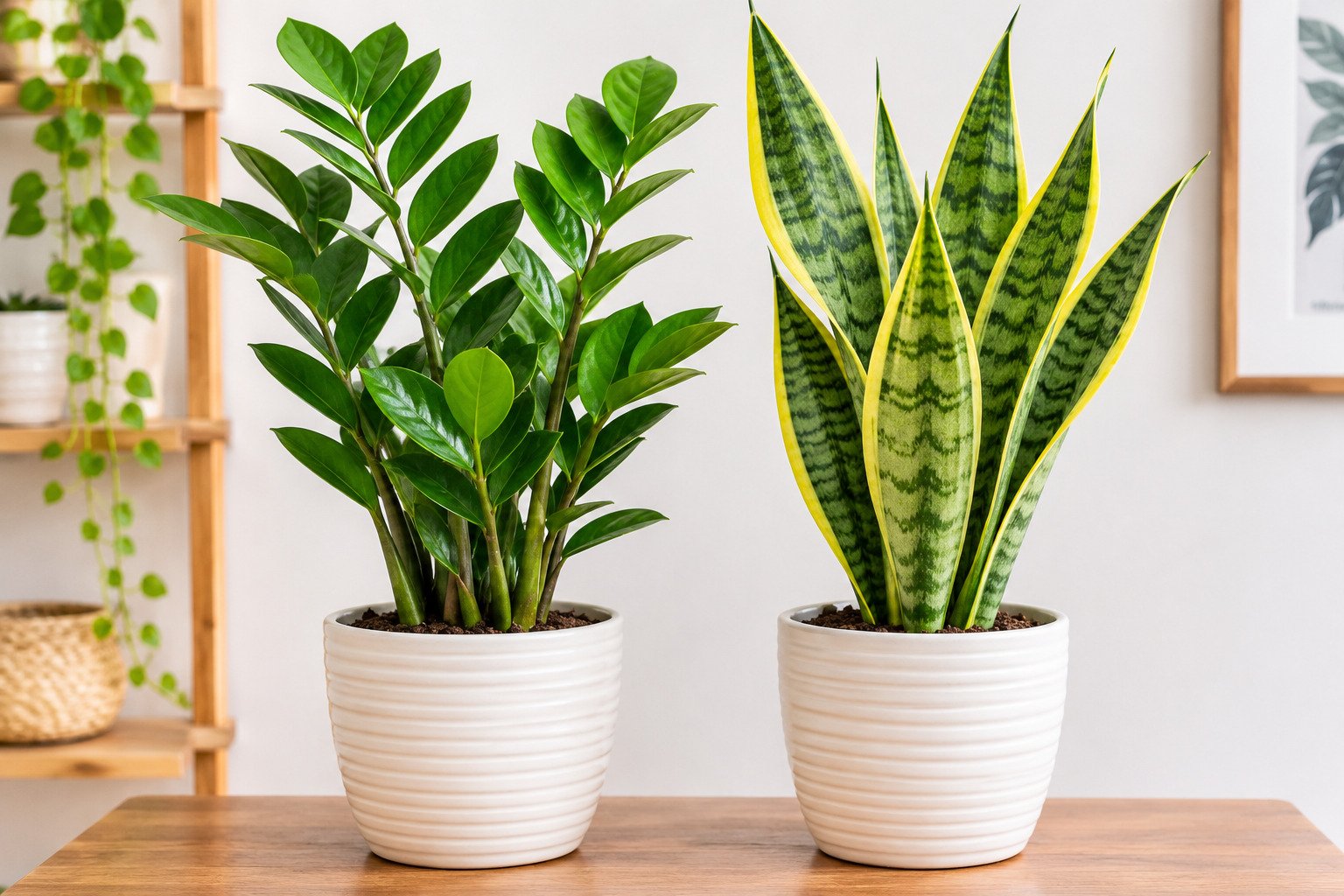
| Shape | Arching stems with glossy, oval leaflets | Upright, stiff, sword-shaped leaves |
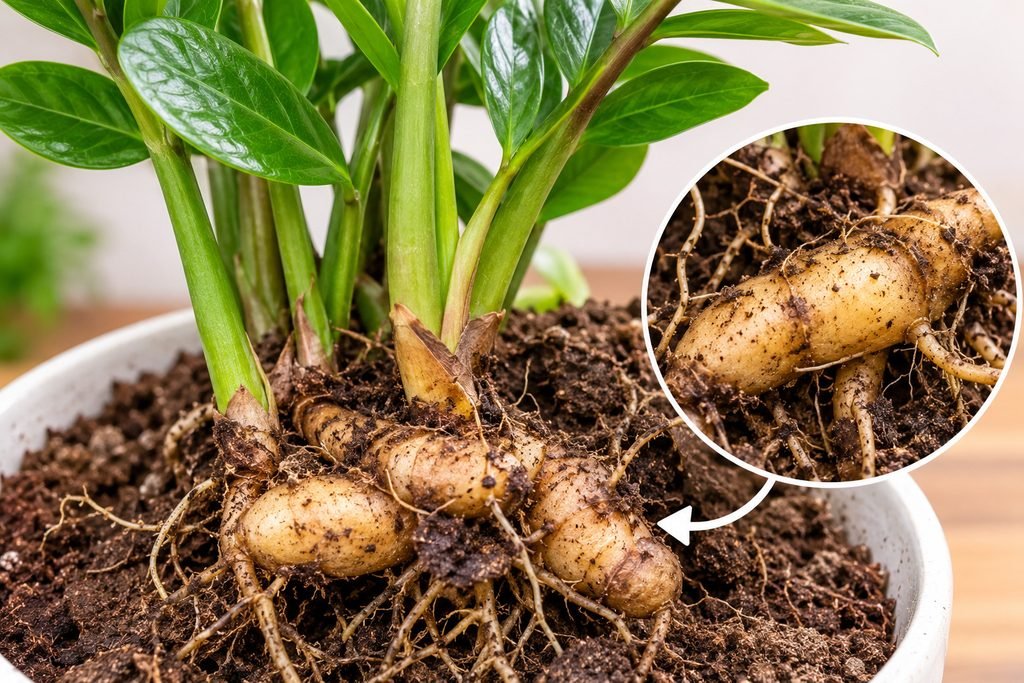
| Water storage | Thick underground rhizomes | Thick leaves and underground stems |
| Light | Bright, indirect. Tolerates low light. No direct sun | Bright, indirect. Tolerates low light. Handles some direct sun |
| Watering | Sparingly. Let the soil dry. Err on the dry side | Only when the soil is completely dry |
| Temperature | About 55 to 80°F (13 to 27°C) | Normal room temperatures. Avoid below 50°F (10°C) |
| Growth | Slow to moderate | Slow |
| Pets | Toxic (calcium oxalate) | Toxic (saponins) |
Are ZZ Plants and Snake Plants Related?
Not closely. The ZZ plant belongs to the arum family (Araceae), and the snake plant belongs to the asparagus family (Asparagaceae). The ZZ plant is also called Zanzibar gem, eternity plant or Zuzu plant. The snake plant was formerly called Sansevieria trifasciata and is now classed in the genus Dracaena. Both are native to Africa and both evolved to cope with dry spells, which is why their care looks so similar.
7 Key Differences Between ZZ Plants and Snake Plants
In the ZZ plant vs snake plant matchup, the biggest differences are in shape, light and how they store water.
1. Looks and Shape
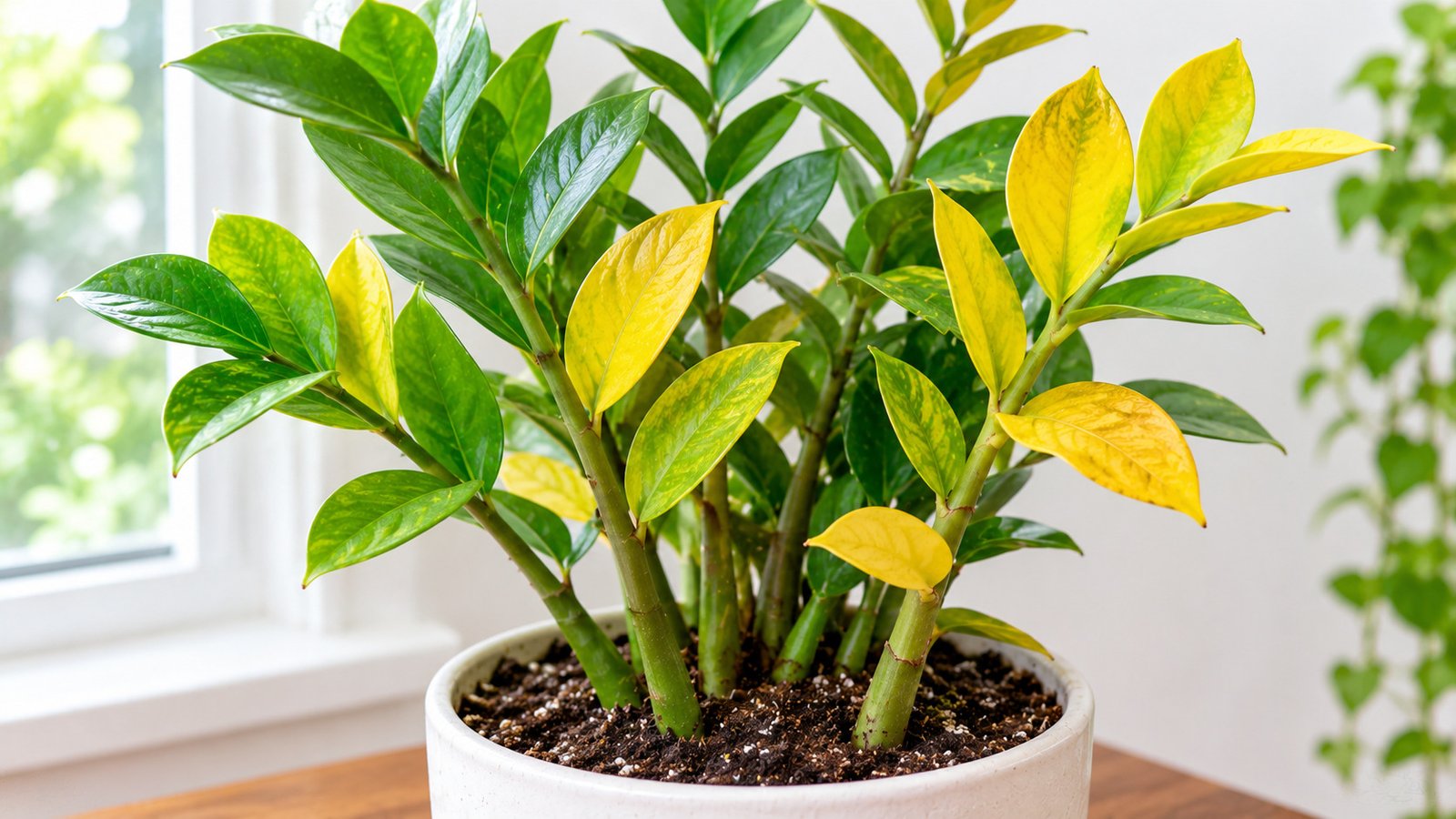
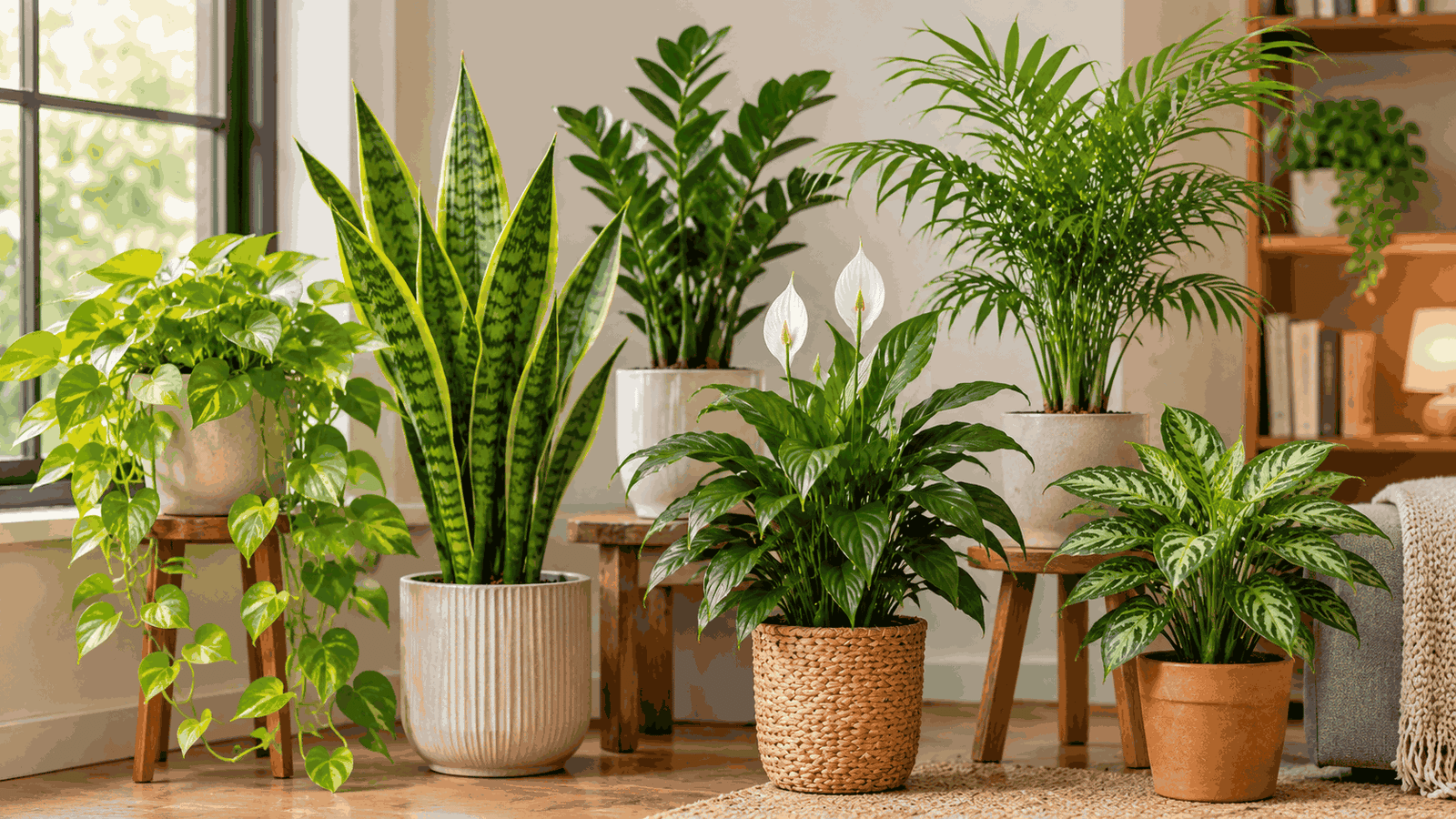
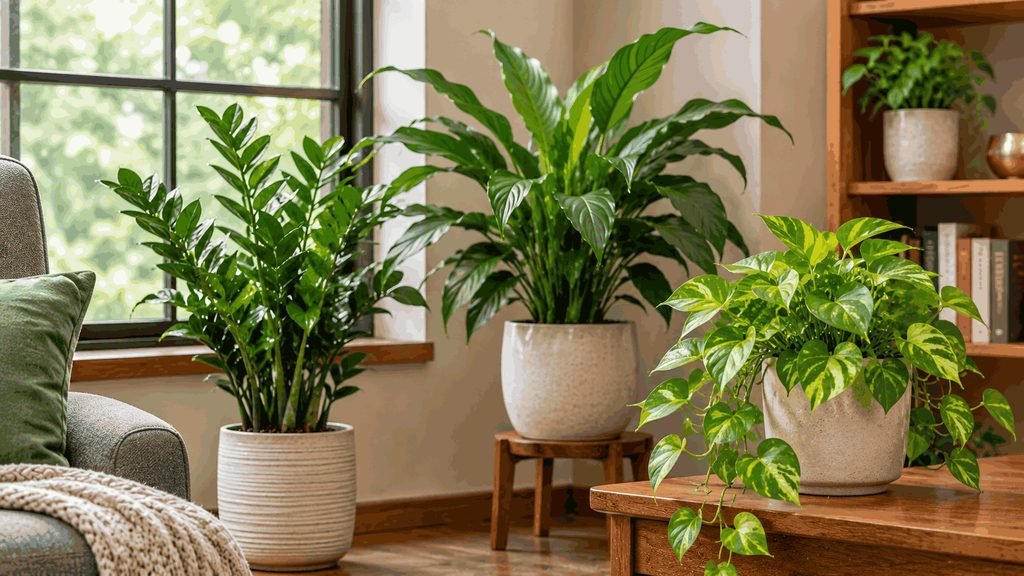
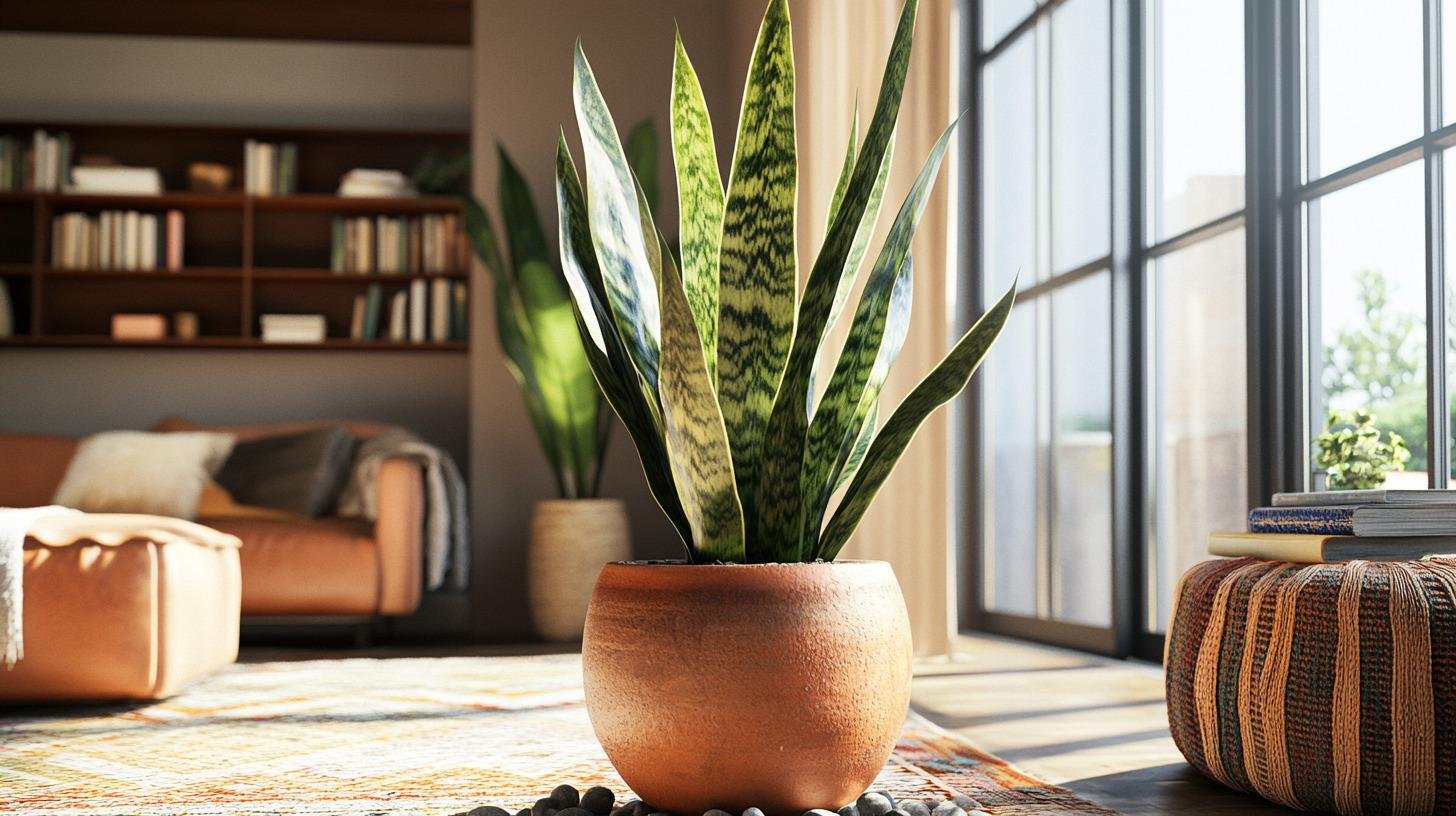
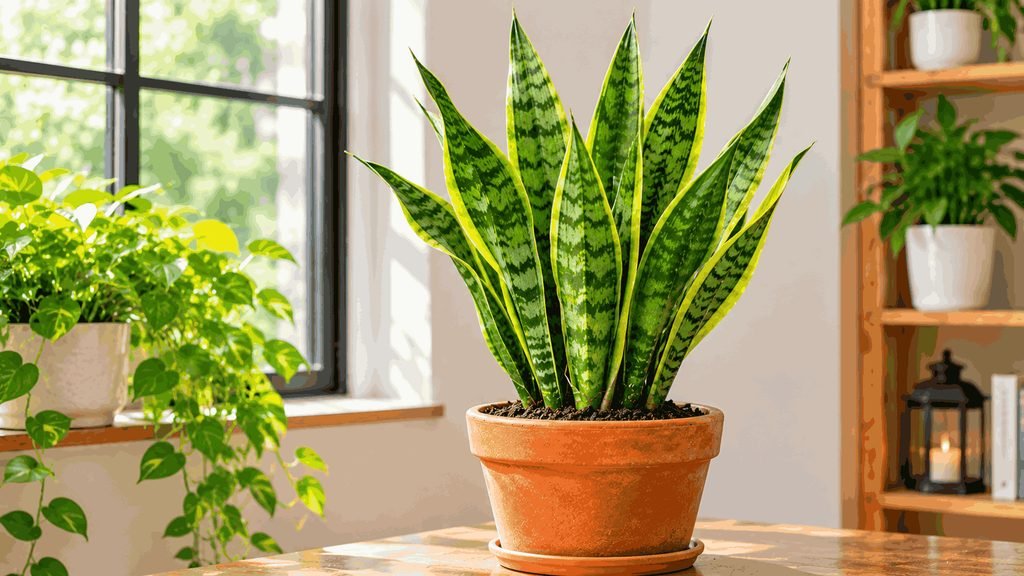
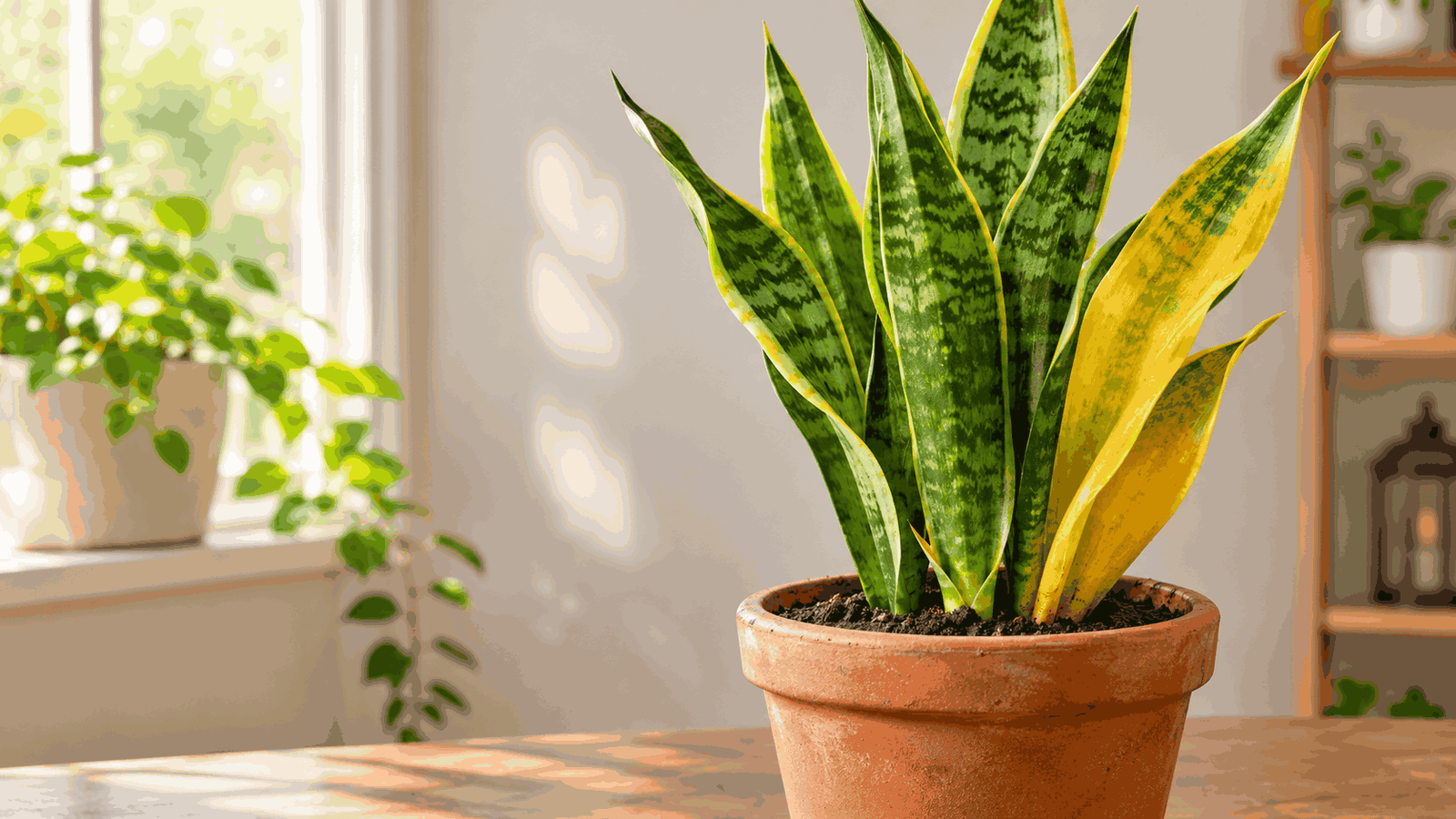
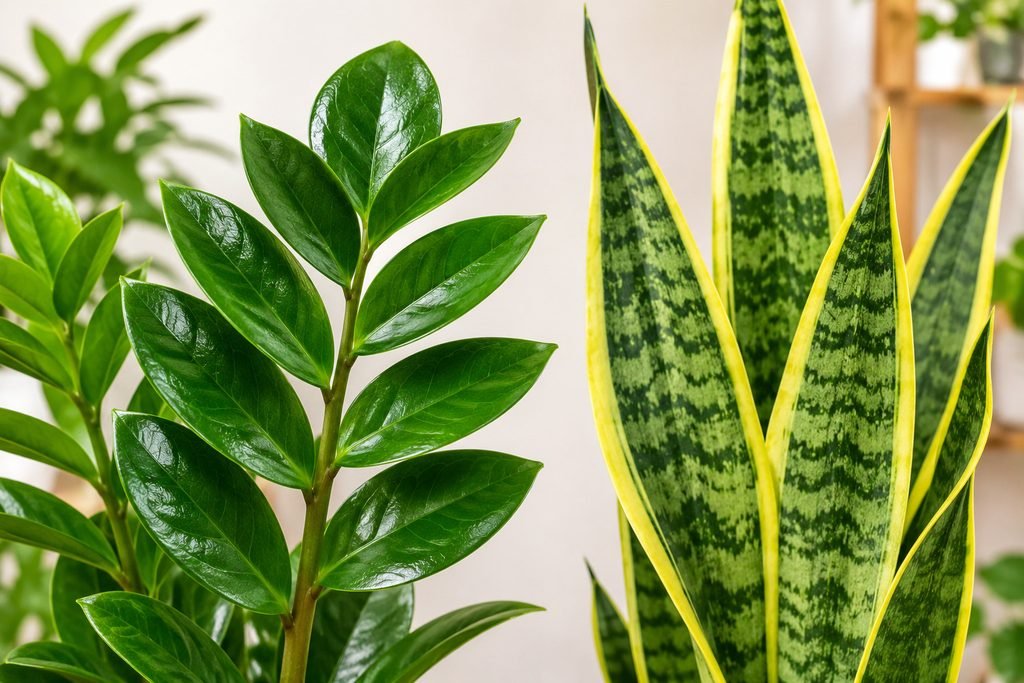
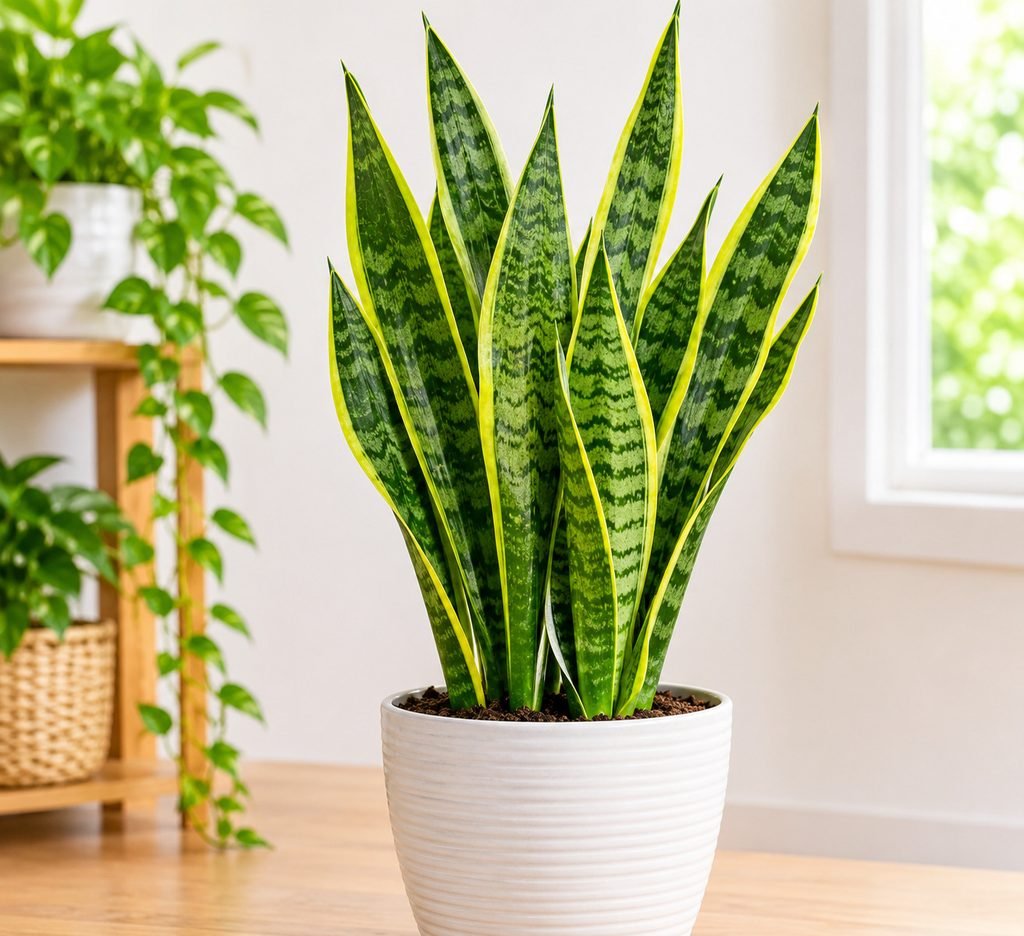
The ZZ plant has graceful, arching stems lined with glossy, dark green oval leaflets, a bit like a feather. The snake plant has tall, stiff, upright leaves that point to the ceiling like swords. The snake plant comes in many types, such as ‘Laurentii’ with yellow edges, ‘Moonshine’ with silvery-green leaves and the compact ‘Hahnii’. The ZZ plant has fewer choices, with the standard green and the almost black ‘Raven’ being the best known. If you prefer a soft, full look, pick the ZZ. If you like clean, vertical lines, pick the snake plant.
2. Light
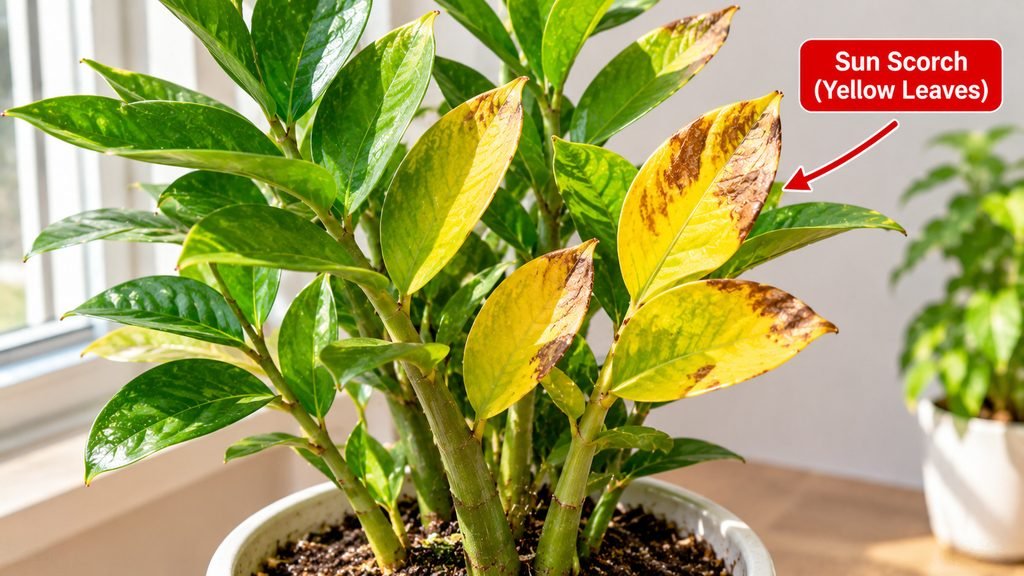
Both plants do best in bright, indirect light and both tolerate low light, although they grow more slowly there. The main difference is sun. The snake plant can handle some direct sun, such as a few hours of gentle morning sun. The ZZ plant is touchier.
Neither plant can live in total darkness, so a windowless room needs a grow light.
3. Watering
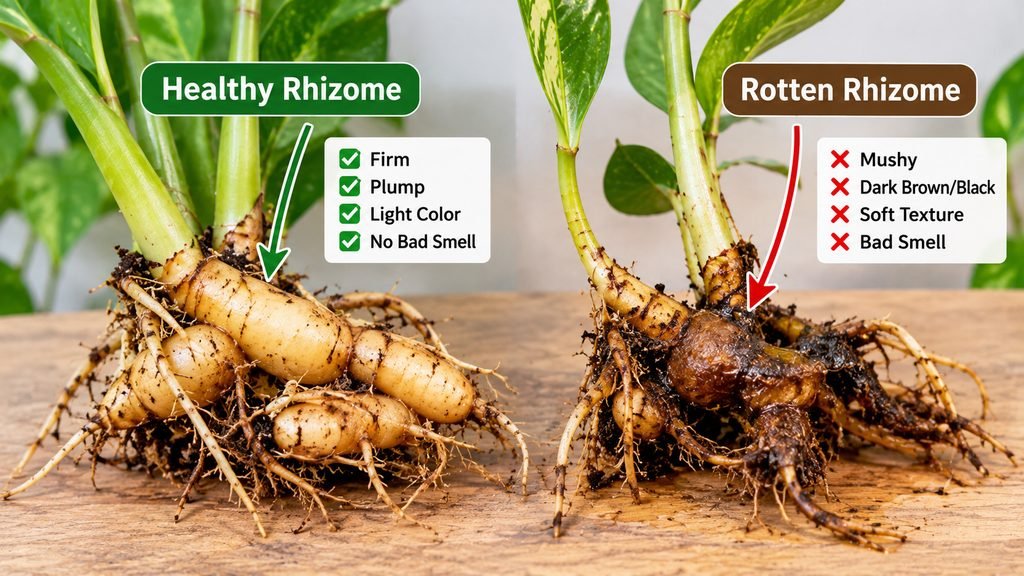
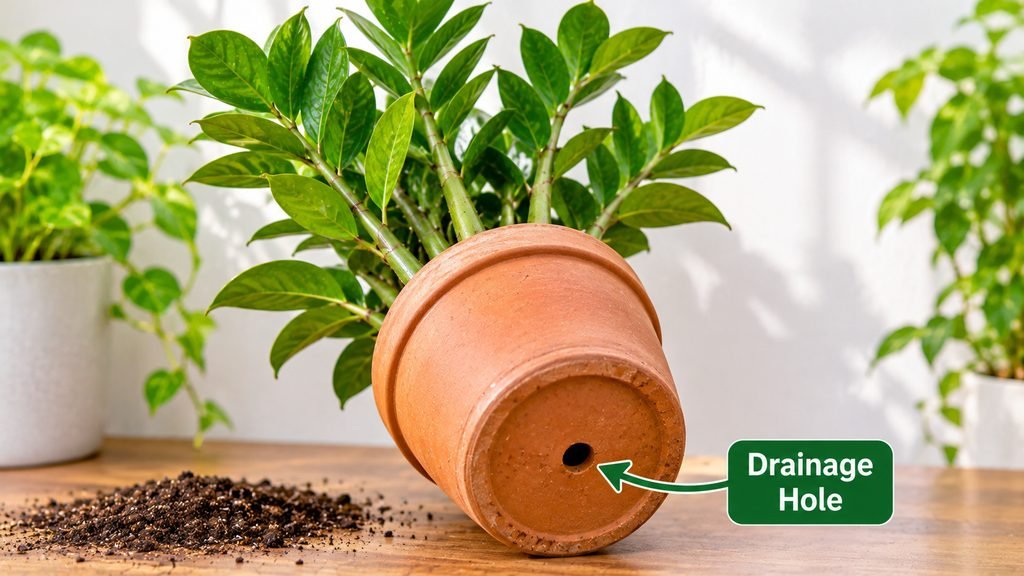
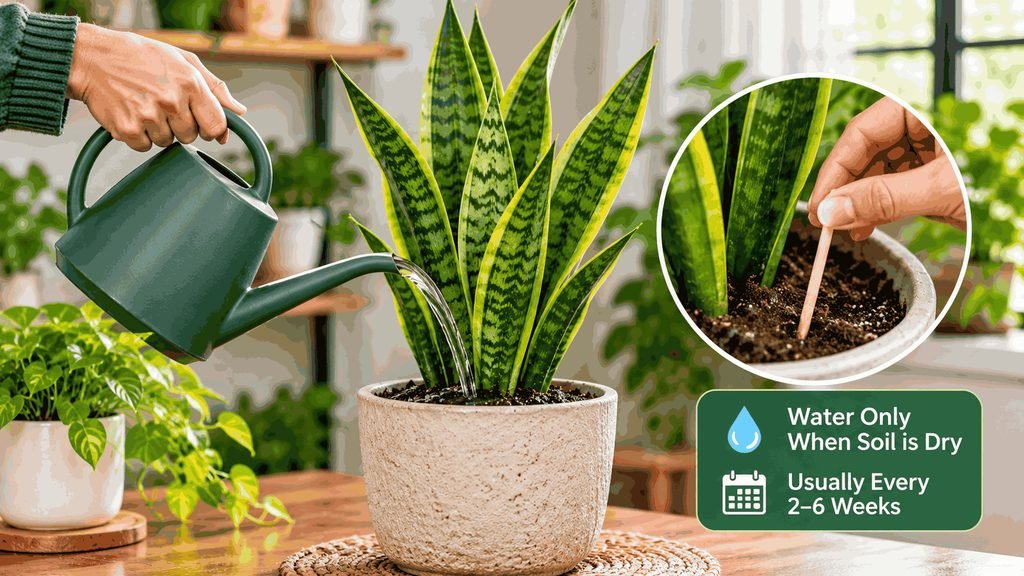
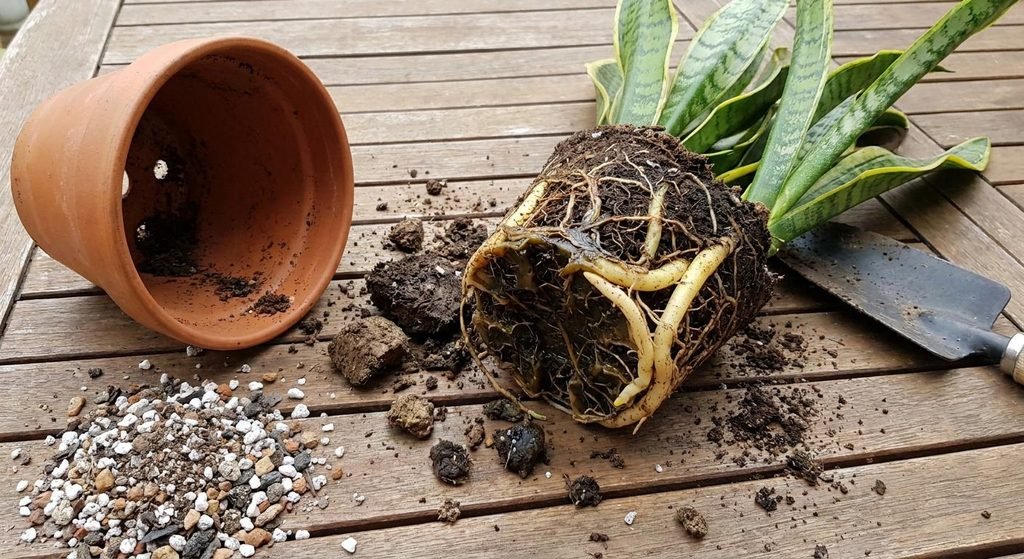
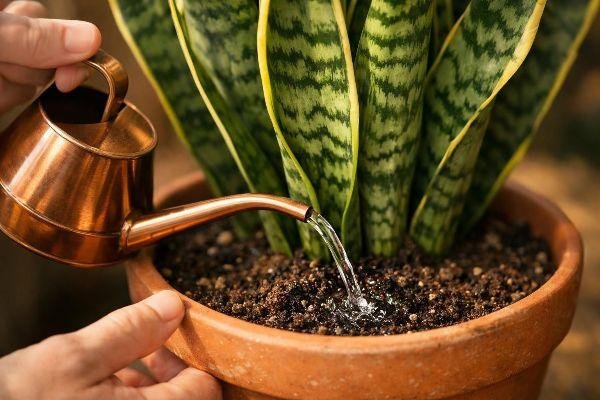
Both plants hate wet soil. The ZZ plant stores water in thick rhizomes and should be watered sparingly. Let the soil dry out between waterings, and when in doubt, wait. The snake plant stores water in its thick leaves and underground stems, and should be watered only when the soil is completely dry.
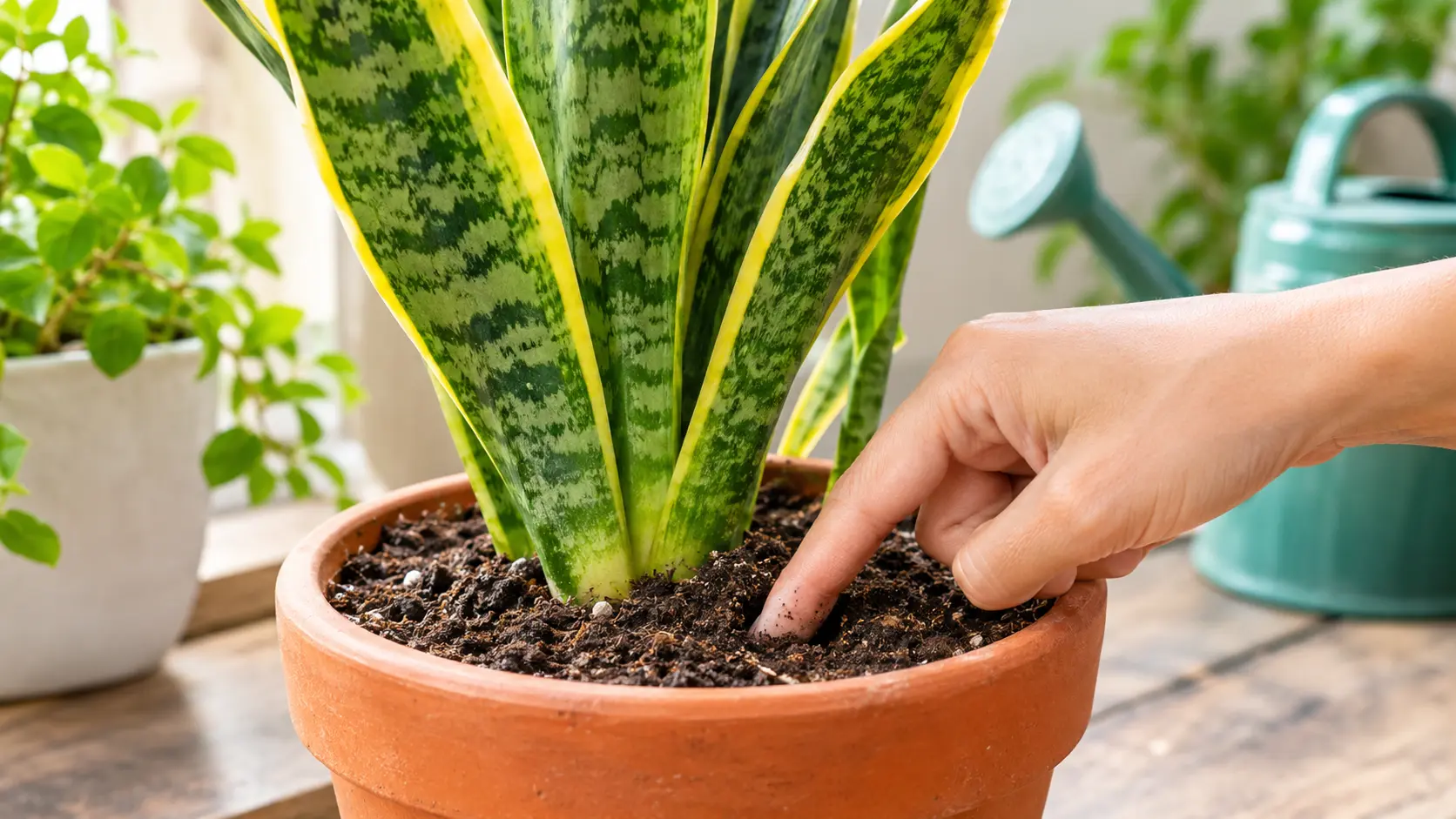
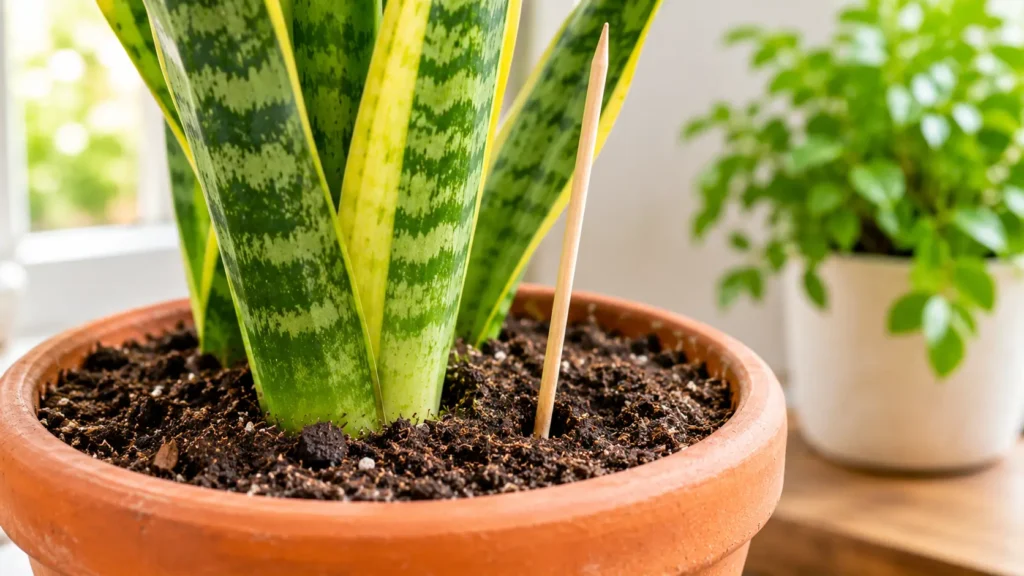
As a rough guide, many people water a snake plant every 2 to 3 weeks and a ZZ plant every 2 to 4 weeks in the growing season, and both less often in winter. Always check the soil first. For a simple soil test, see our guide on How Often to Water a Snake Plant.
4. Temperature and Climate
The ZZ plant likes about 55 to 80°F (13 to 27°C), and the snake plant is happiest in normal room temperatures and should be kept away from anything below about 50°F (10°C). Keep both away from cold windows and drafts. Winter falls in different months depending on where you live, roughly December to February in the Northern Hemisphere and June to August in the Southern Hemisphere. In hot climates, soil dries faster in the warm months, so check it more often.
5. Growth Rate and Size
Both are slow growers, and both grow even more slowly in low light. The ZZ plant spreads slowly and sends up new stems from the rhizomes, and as it ages, its thick stems can push against and eventually crack a pot. The snake plant grows upright and sends up new leaves and pups, and its height depends on the type, from a few inches to several feet.
6. Propagation
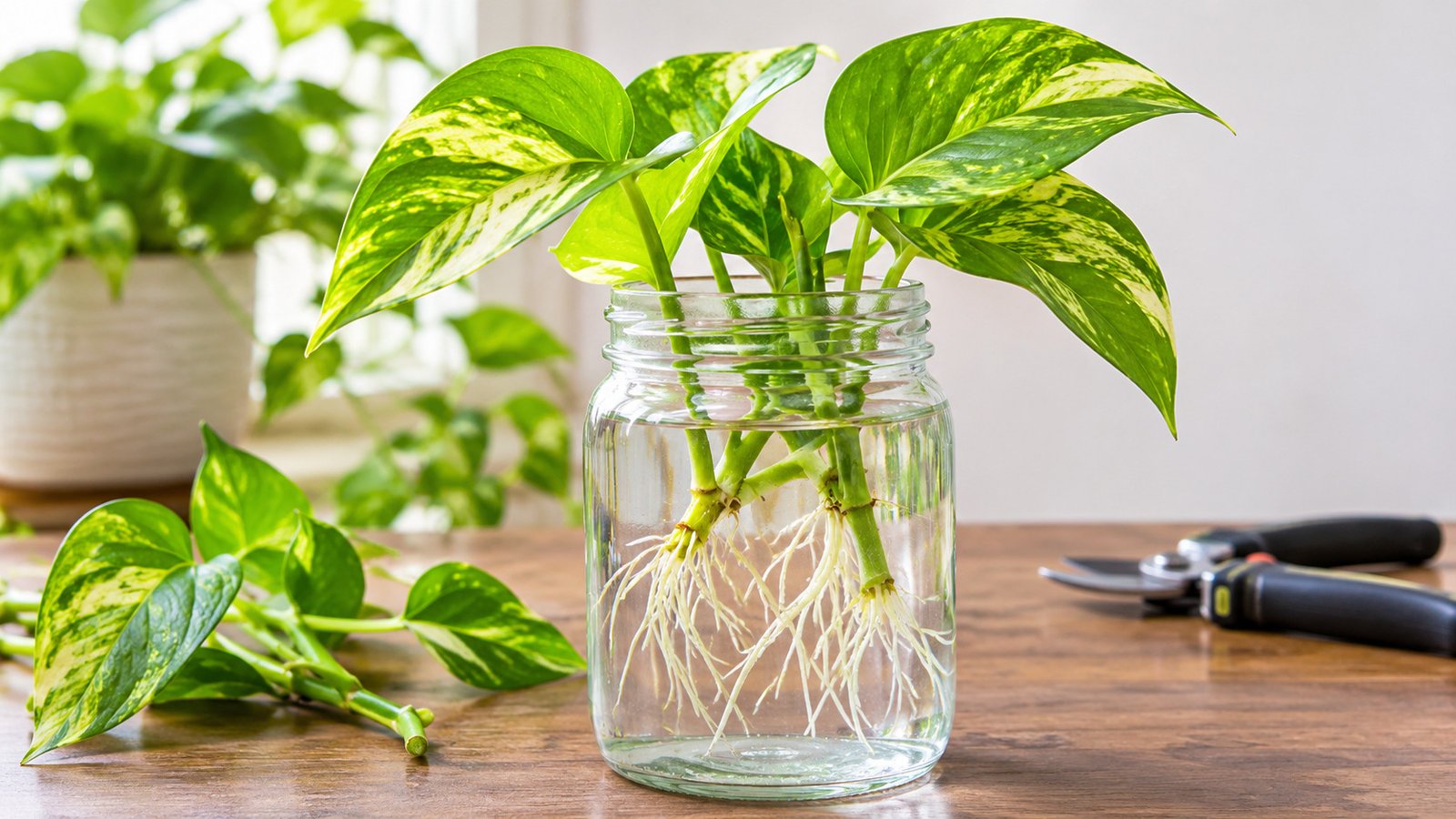
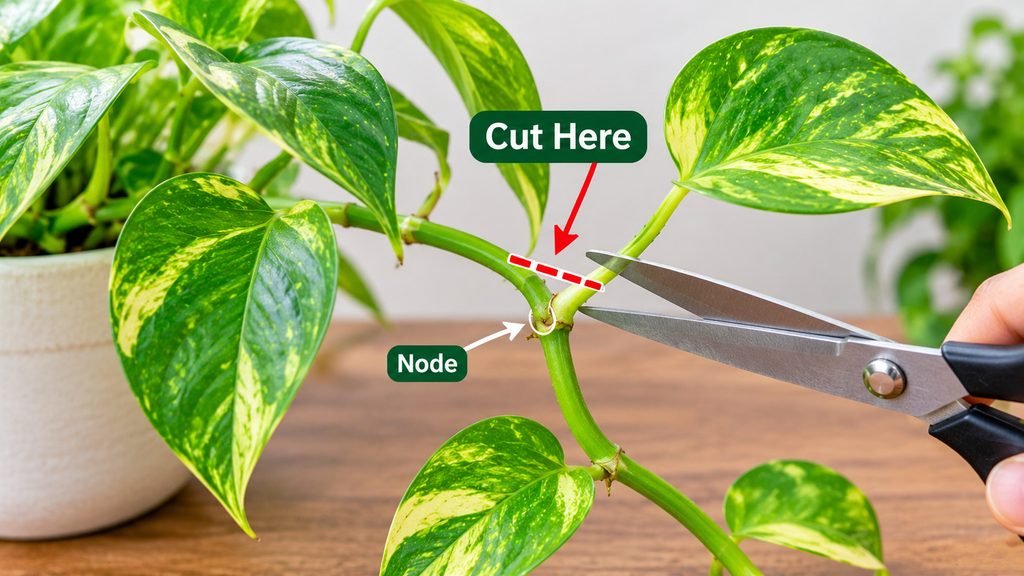
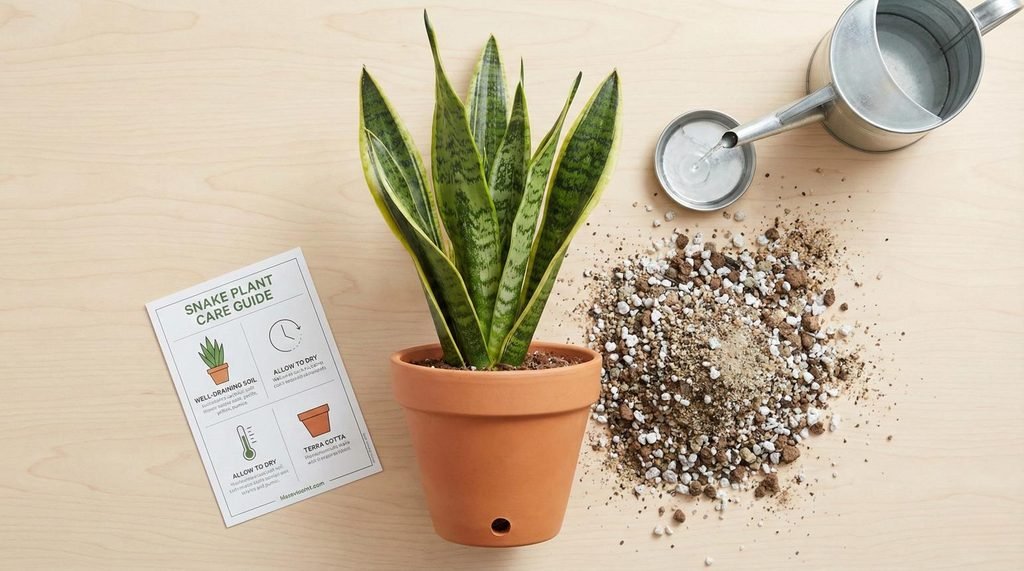
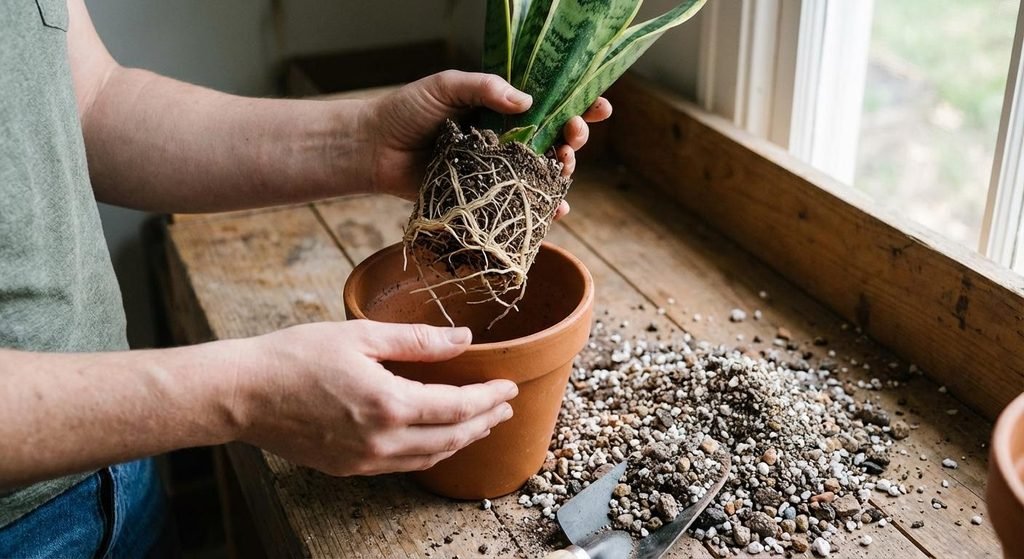
The easiest way to propagate either plant is by division when you repot. Separate the rhizomes or pups and plant them in their own pots. You can also use leaf cuttings, but the ZZ plant is very slow here. Under indoor household conditions, a new rhizome can take up to nine months to form from a ZZ leaf cutting. Snake plant leaf cuttings root faster, but remember that variegated types such as ‘Laurentii’ usually grow back plain green from leaf cuttings, so use division for those. See our Snake Plant Care guide for steps.
7. Common Problems
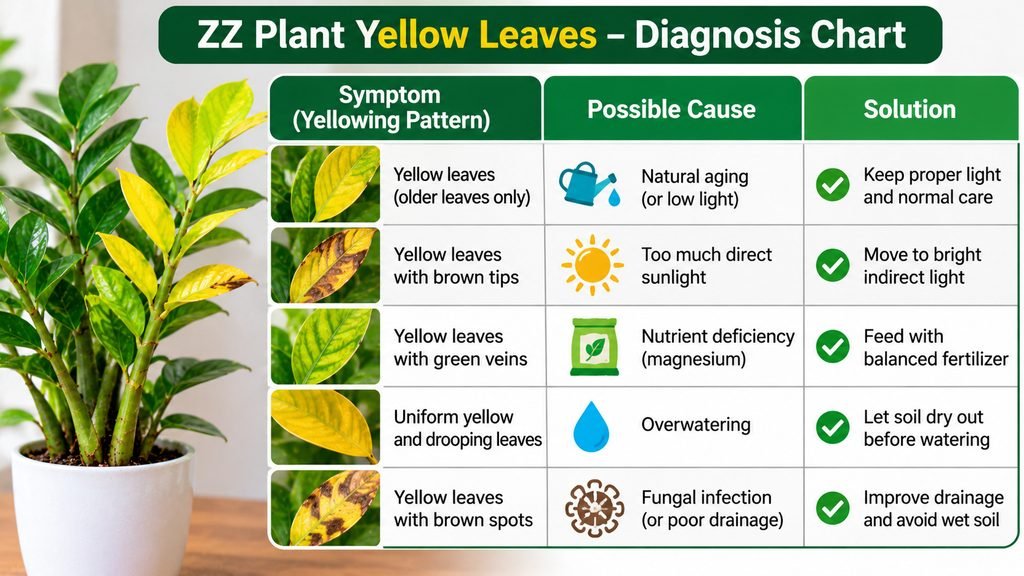
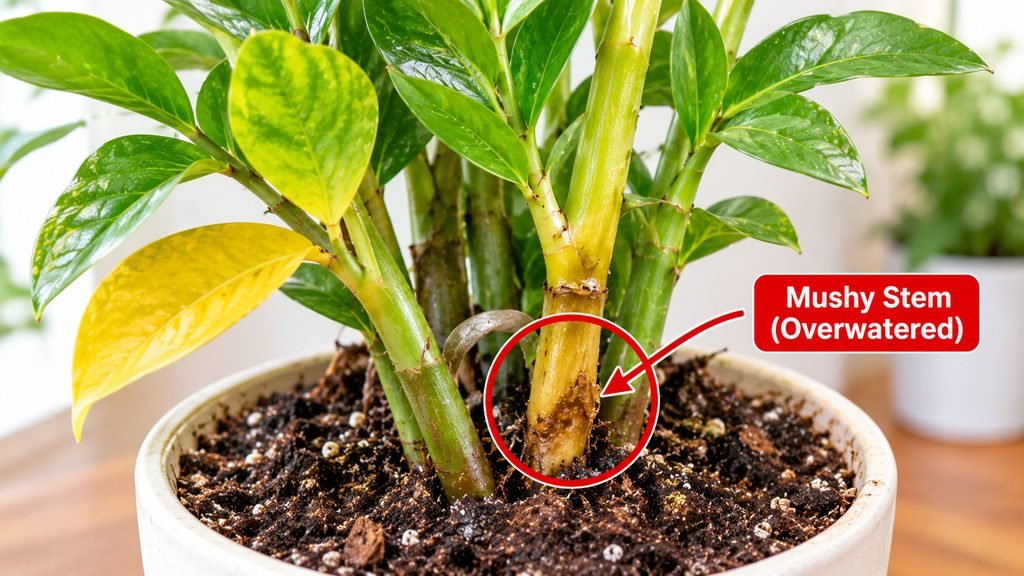
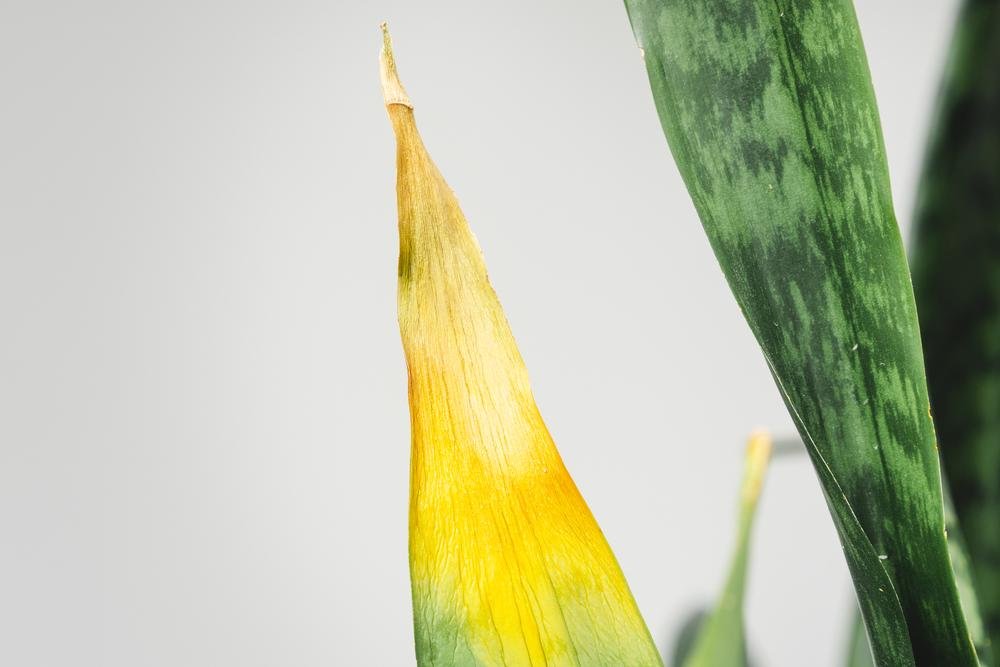
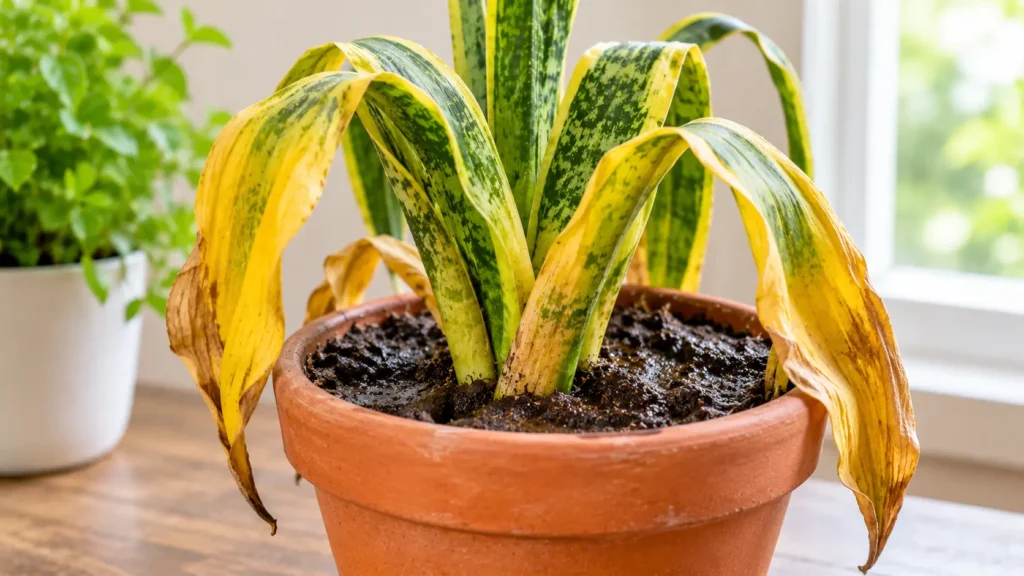
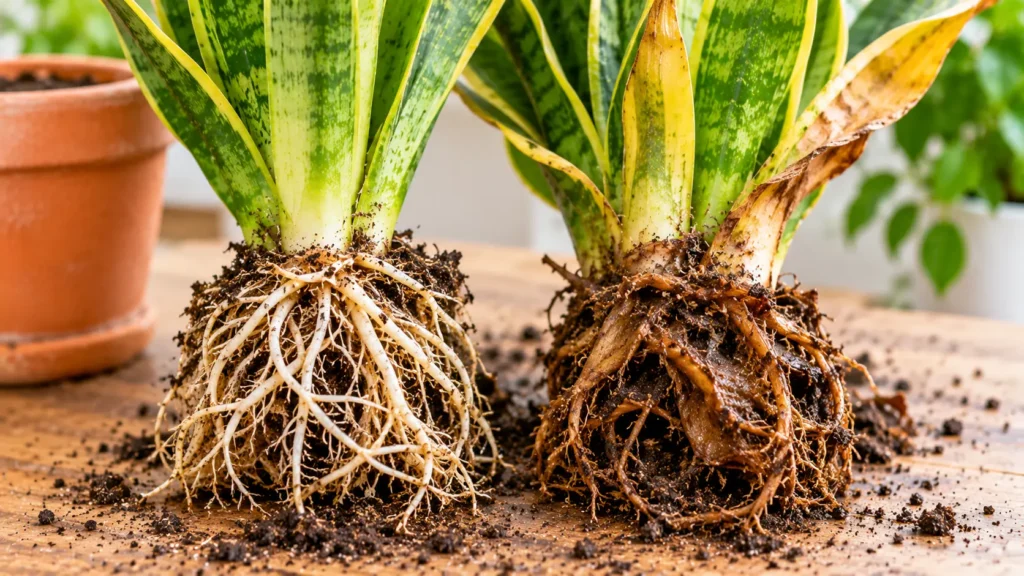
Overwatering is the main problem for both, but it shows up a little differently. A ZZ plant usually turns yellow and the rhizomes rot. A snake plant usually gets soft, mushy leaves and a soft base. Our guides on ZZ Plant Yellow Leaves and Snake Plant Leaves Turning Yellow show how to diagnose and fix each one. Both have few pest problems, but check the leaves now and then.
Which Is Better: ZZ Plant vs Snake Plant for Your Home?
Neither is better in every case. Use this guide:
| Choose the ZZ plant if… | Choose the snake plant if… |
| You want a glossy, full, arching look | You want upright, architectural lines |
| Your light is indirect and there is no direct sun | You have a brighter spot, or some direct sun |
| You often forget to water | You want more variety in leaf color and size |
| You have space for a wider plant | You have a narrow corner or a small footprint |
ZZ Plant vs Snake Plant in Low Light
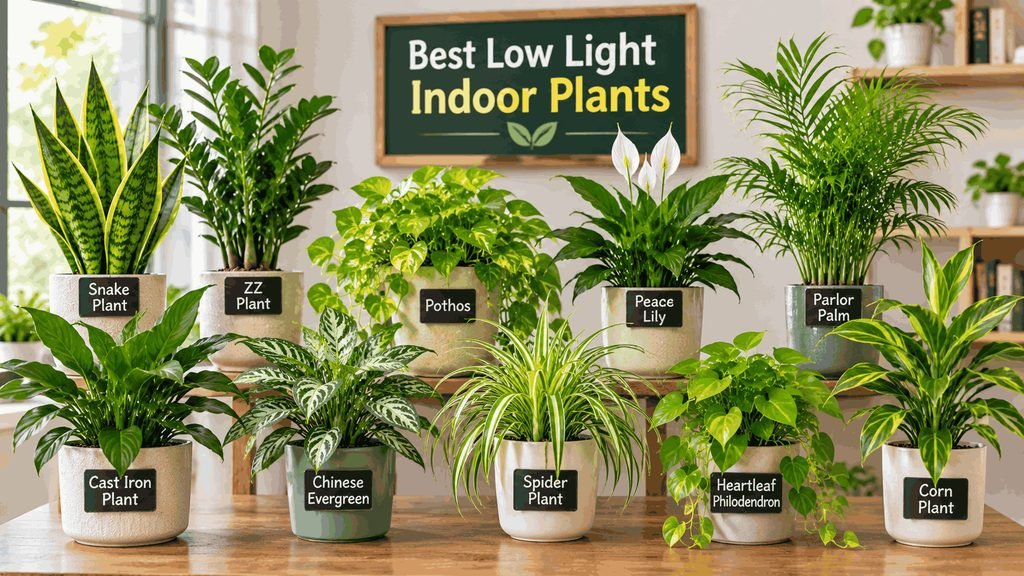
Both survive in low light, so either is a good choice for a dim room. Expect slow growth from both. Variegated snake plants lose some of their pattern in low light. In either case, water less, because the soil stays wet longer. See our Best Low Light Indoor Plants list for more ideas.
For Bedrooms and Offices
Both work well, because they are quiet, tidy and need little care. The snake plant’s upright shape suits narrow desks and corners, and the ZZ plant suits a table or floor spot where it has room to spread.
For Homes With Pets
Neither is a safe choice. See the next section.
Are ZZ Plants and Snake Plants Toxic to Pets?
Yes, both are. When it comes to ZZ plant vs snake plant and pets, neither is the pet-safe option, but the reasons differ. ZZ plants are in the arum family, and many members of this family contain calcium oxalate crystals that can painfully irritate the mouth and throat. Snake plants contain saponins, which the ASPCA says can cause nausea, vomiting and diarrhea in cats and dogs. Keep both out of reach of pets and small children, and wash your hands after pruning or trimming. If your pet eats some, contact your vet or an animal poison control service.
Frequently Asked Questions
Can I plant a ZZ plant and a snake plant in the same pot?
They like similar dry conditions, so it can work. But ZZ rhizomes spread and push against the pot, and the plants compete for space. Separate pots are easier and safer for both.
Which one grows faster?
Both are slow. Growth depends mostly on light and care. The ZZ plant is usually described as slow to moderate, and the snake plant as slow.
Which is easier for a beginner?
They are about equal. If you tend to overwater, pick either one, but water carefully. If you have a dim room with no direct sun, the ZZ plant is a safe choice. If you have a bright spot with some sun, the snake plant is a better match.
Do ZZ plants and snake plants clean the air?
Not in any meaningful way in a normal home. The idea comes largely from a 1989 NASA study in small, sealed chambers. Later research suggests ordinary ventilation matters far more than a few houseplants. Grow them for their looks and easy care.
Which is safer for pets?
Neither. Both are toxic, so keep them out of reach.
Final Thoughts
ZZ plant vs snake plant comes down to looks, light and space. Both are forgiving, slow-growing and nearly impossible to kill, as long as you do not overwater them. Choose the one that fits your light and your style, check the soil before every watering, and keep both away from curious pets.
Related reading: LINK: Snake Plant Care, ZZ Plant Yellow Leaves and LINK: Best Low Light Indoor Plants