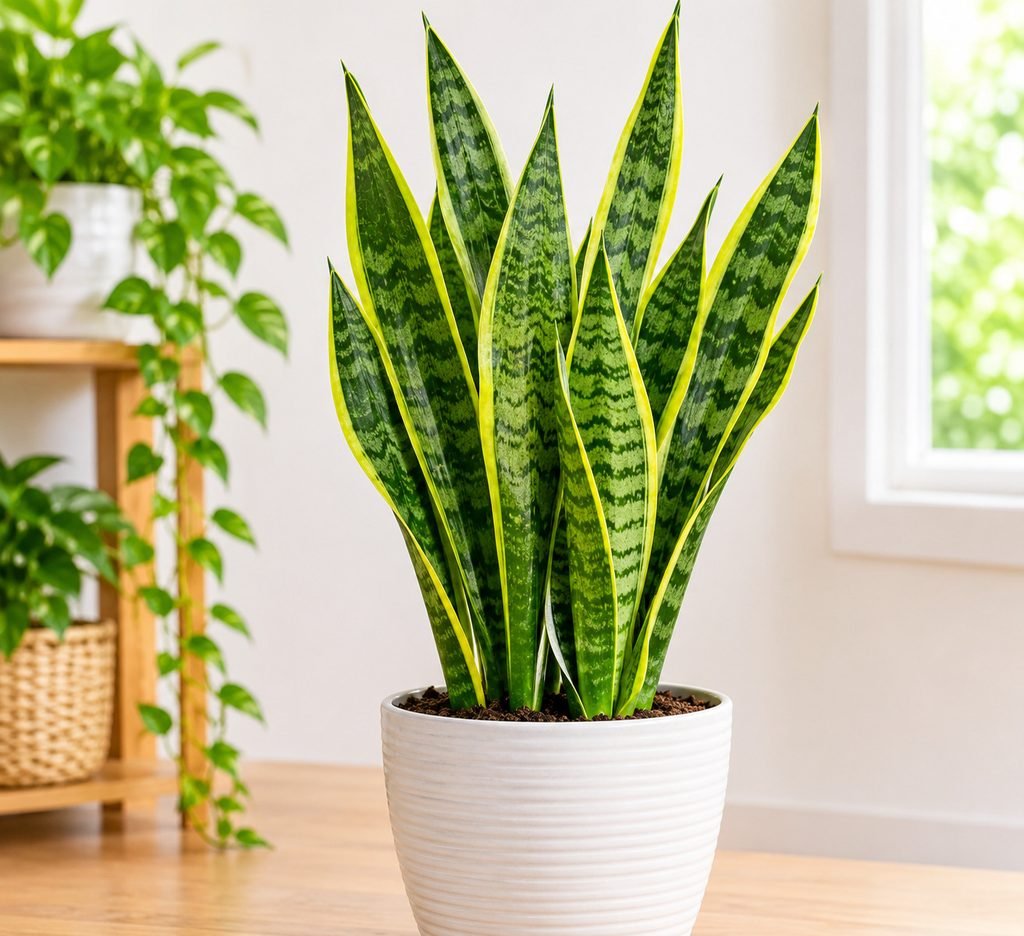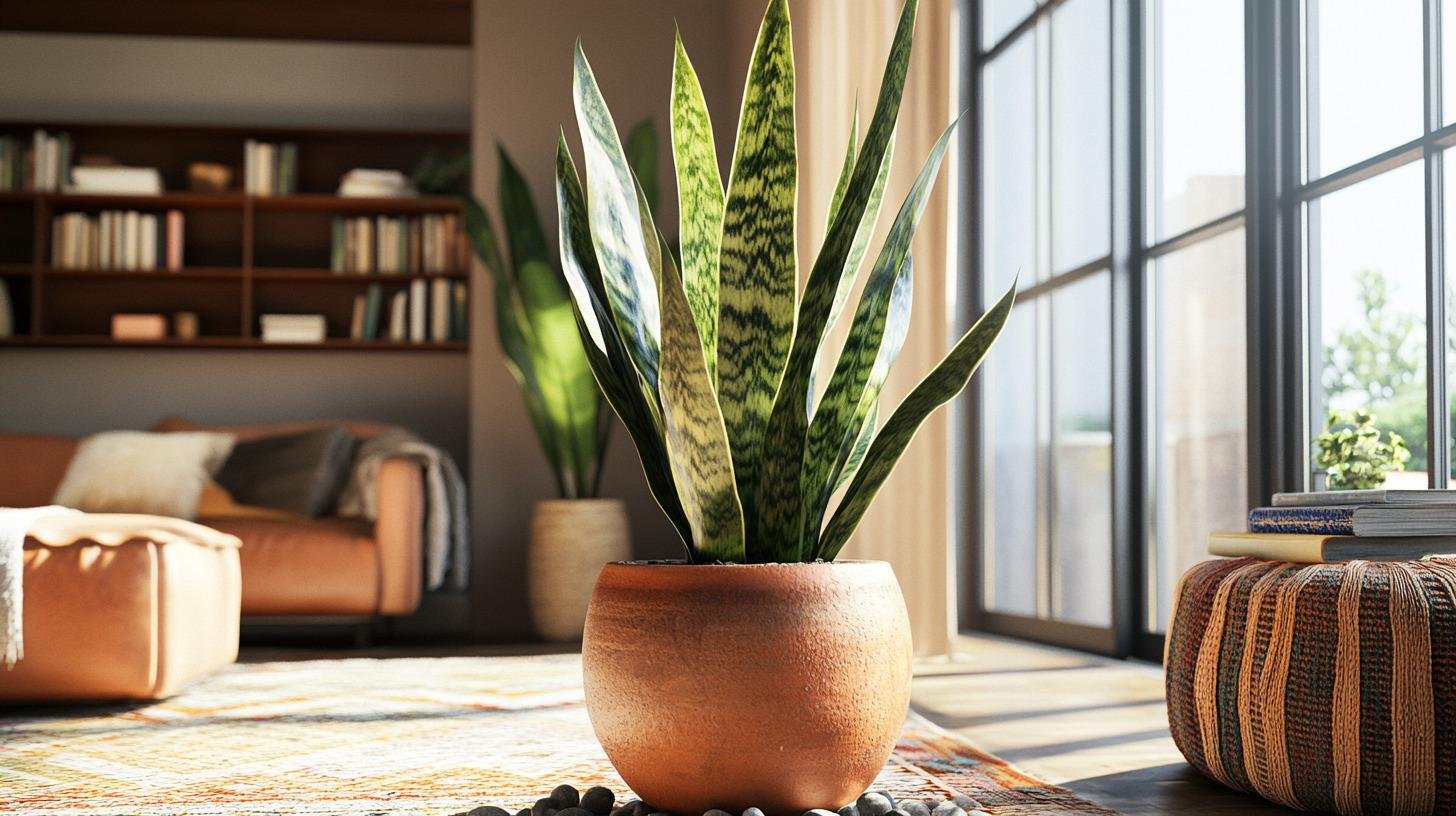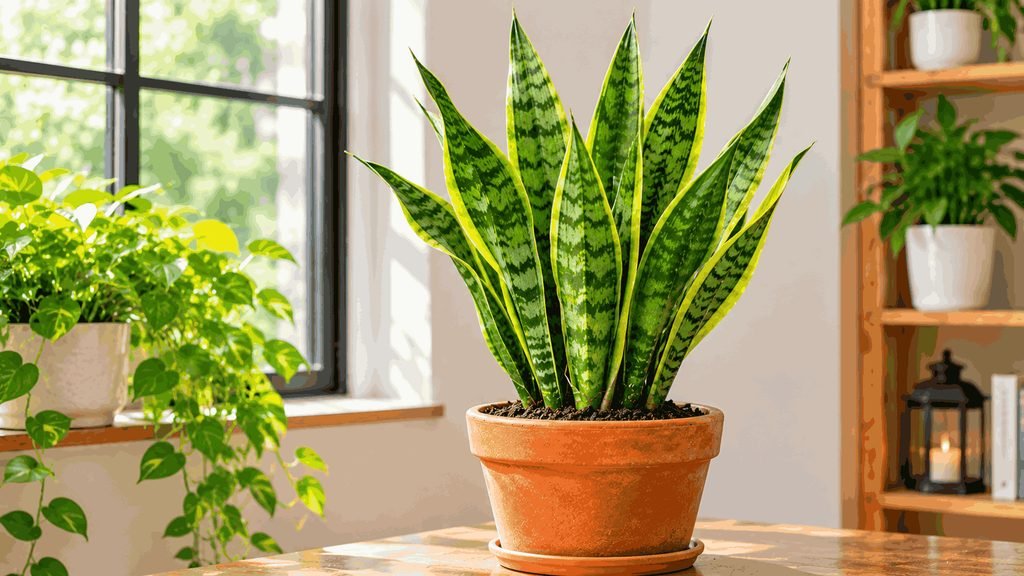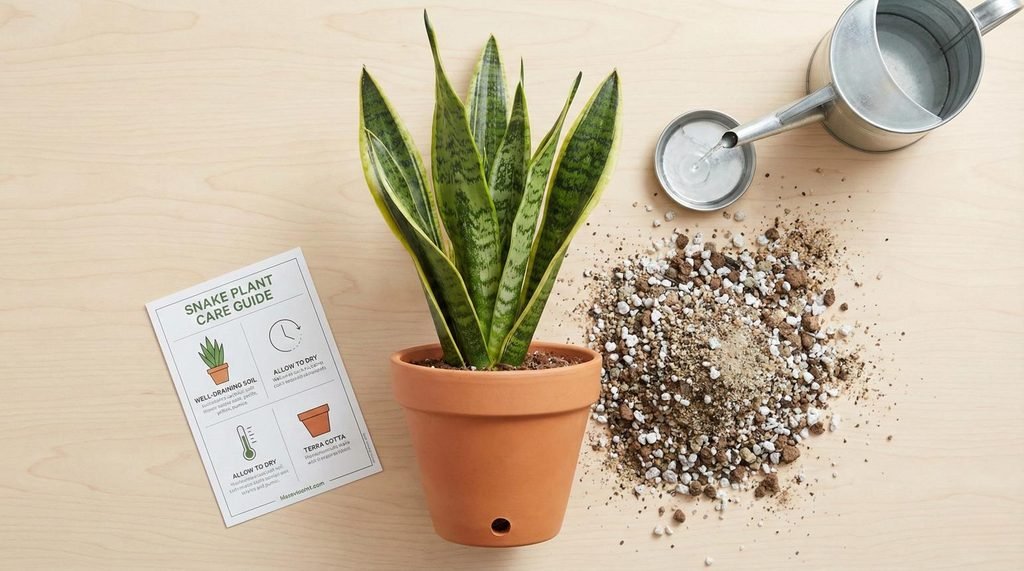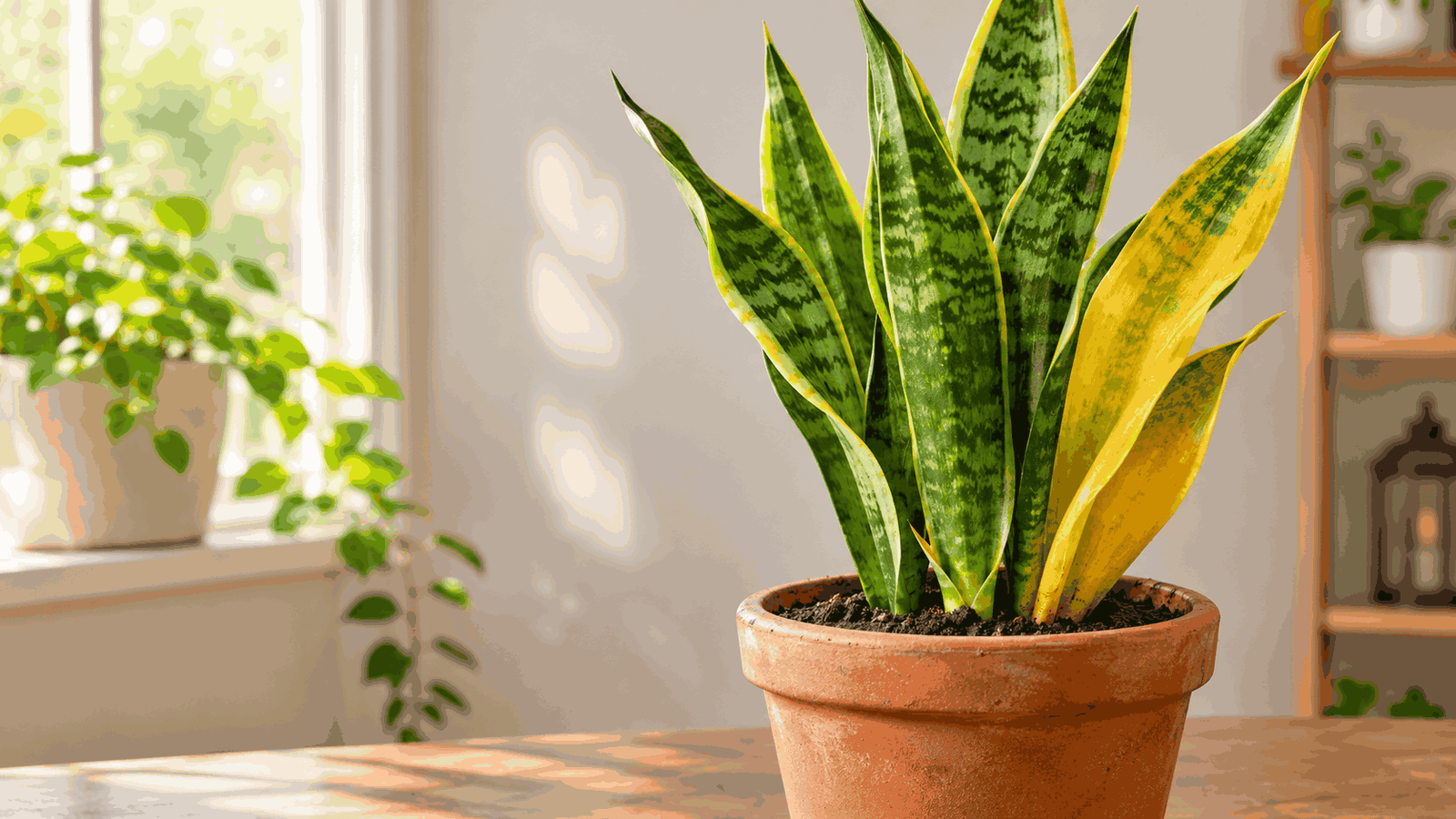
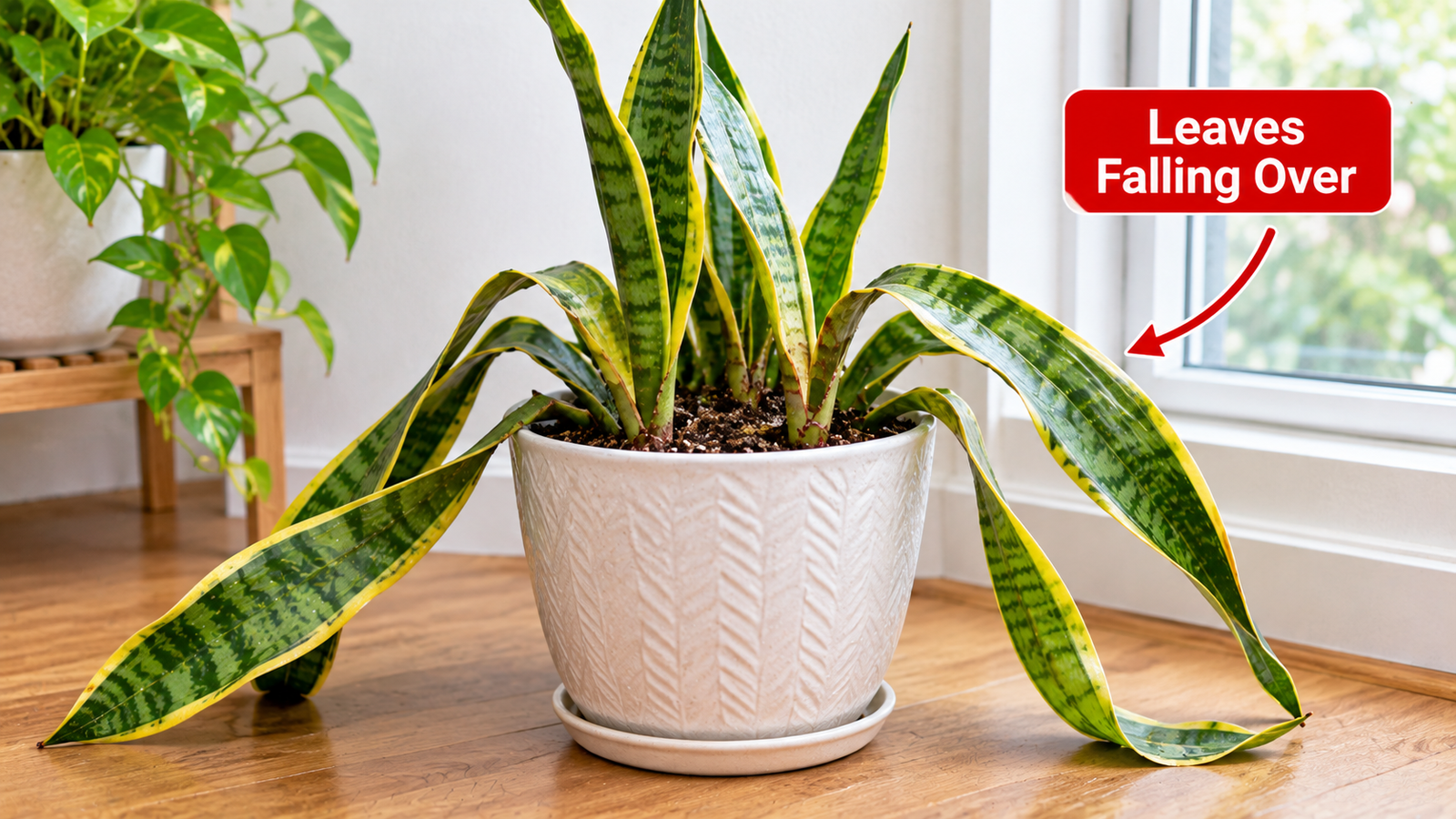
Snake plant leaves falling over can be a surprise, because this is the plant that is supposed to stand tall no matter what. Do not panic. Leaves flop for a handful of reasons, and some of them are completely normal. The trick is to work out which one applies to your plant, because the fix for too much water is the opposite of the fix for too little. This guide shows you how to diagnose the problem, save the plant and get it standing straight again.
Quick answer: The most common cause is overwatering, which rots the roots and weakens the base of the leaves. Check the soil first. If it is wet and the base of the leaves feels soft, stop watering and check the roots.
Snake Plant Leaves Falling Over: The Quick Diagnosis
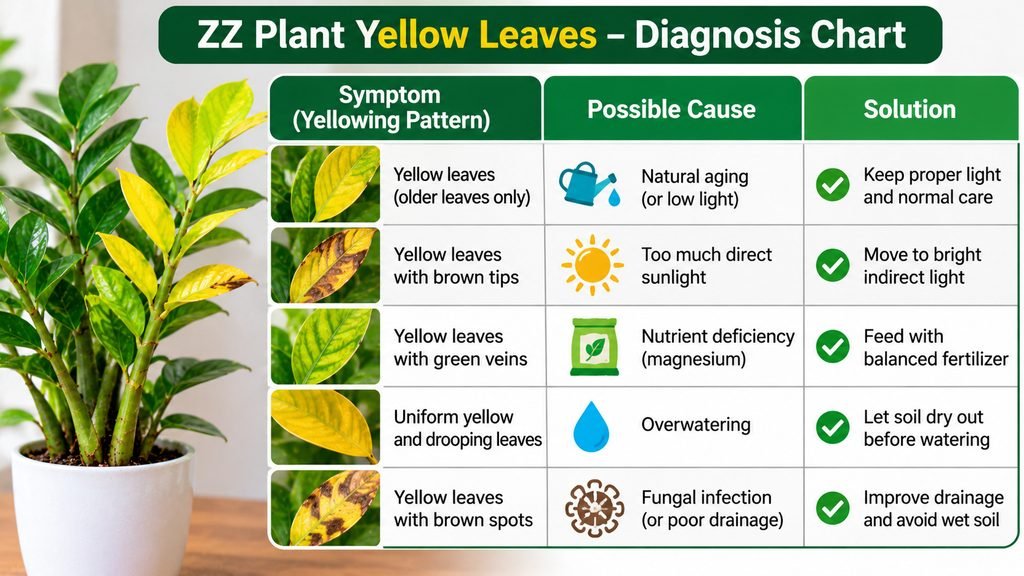
Match what you see to the table below.
| What you see | Most likely cause | First thing to try |
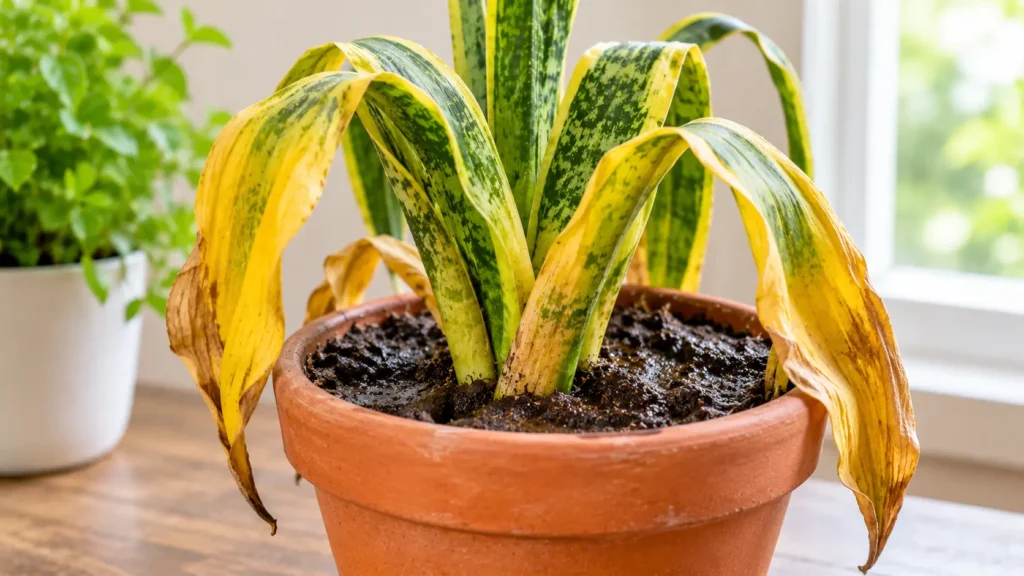
| Soft, mushy base, yellowing, soil stays wet | Overwatering or root rot | Stop watering and check the roots |
| Thin, wrinkled, curling leaves, very dry soil | Underwatering | Water deeply, then follow the soil test |
| Weak, pale, stretching leaves leaning toward a window | Too little light | Move to brighter, indirect light |
| Roots poking out of the holes, pot bulging or cracked | Root-bound plant | Repot into a slightly bigger pot |
| Soft, floppy leaves after a cold night or draft | Cold damage | Move away from cold windows and vents |
| One or two tall outer leaves flopping, the rest firm | Normal for heavy leaves | Nothing to fix, or support the leaf |
| Whole plant tips over, even though leaves are firm | Light or unstable pot | Use a heavier pot |
First, Check Whether It Is Normal
Not every case of snake plant leaves falling over is a problem. Snake plant leaves can grow very tall, some reaching several feet, and the longer they get, the more weight sits on their base. It is normal for the occasional tall, outer leaf to lean or fall over as the plant grows. The leaves in the middle of a full plant usually prop each other up, so the outer ones are the ones that give way.
If only one or two outer leaves are leaning and the rest of the plant is firm, upright and growing new leaves, there is nothing wrong. You can leave it, stake the leaf, or cut it off (see below).
If several leaves are falling over at once, or they feel soft, wrinkled or discolored, read on.
8 Common Causes of Snake Plant Leaves Falling Over
Work through these causes in order. The first one is by far the most likely.
1. Overwatering and Root Rot: The Top Cause of Snake Plant Leaves Falling Over
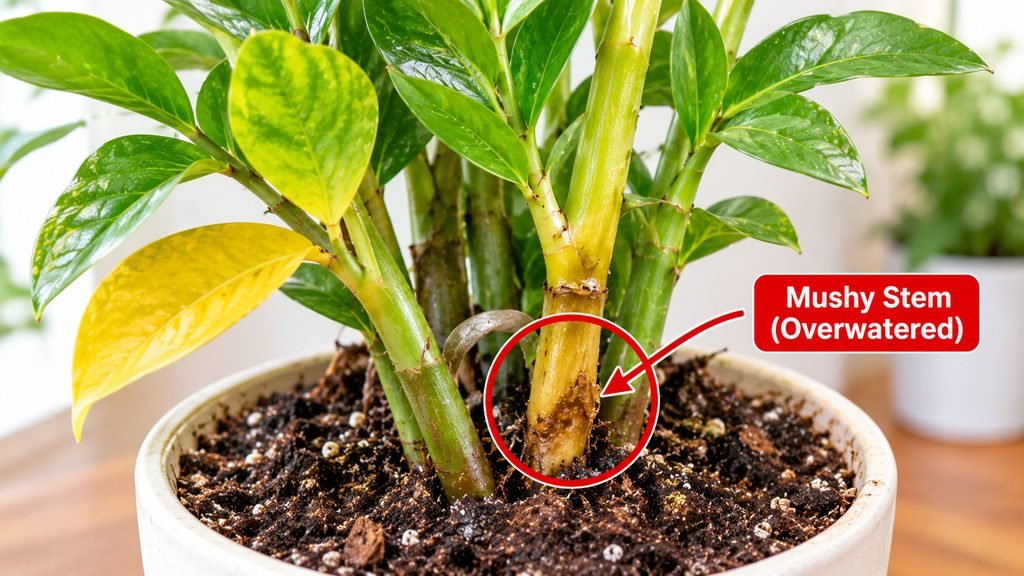
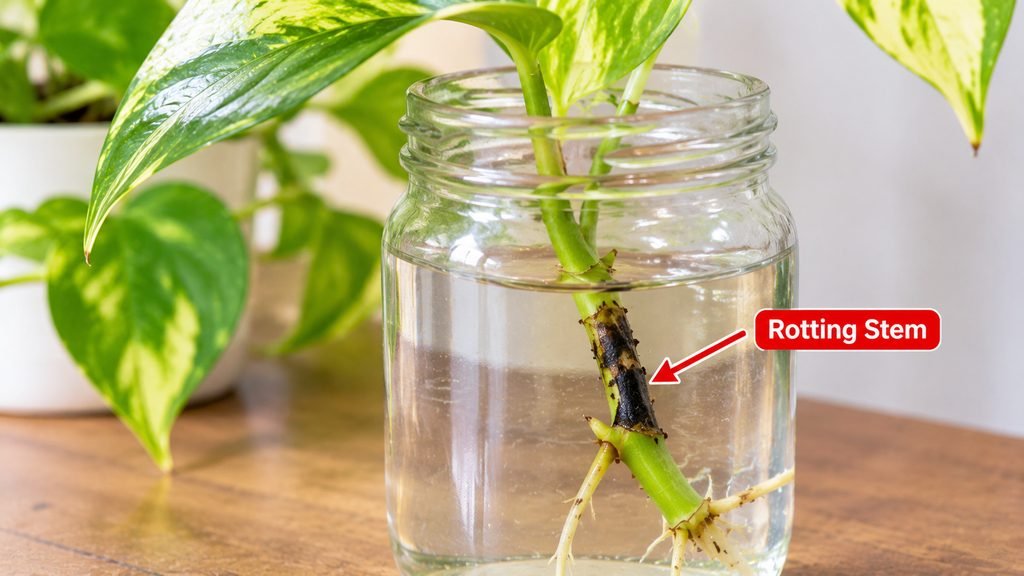
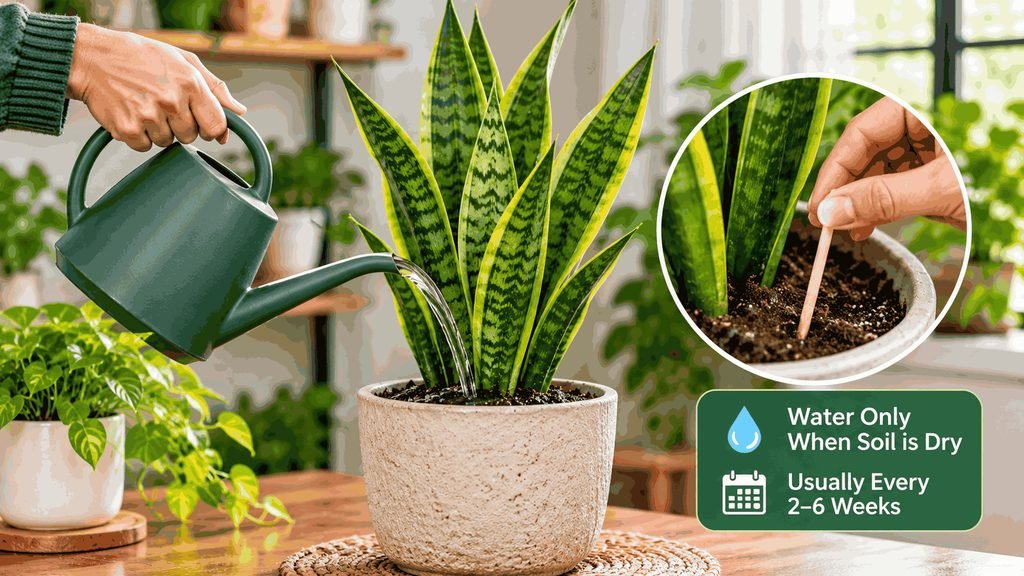
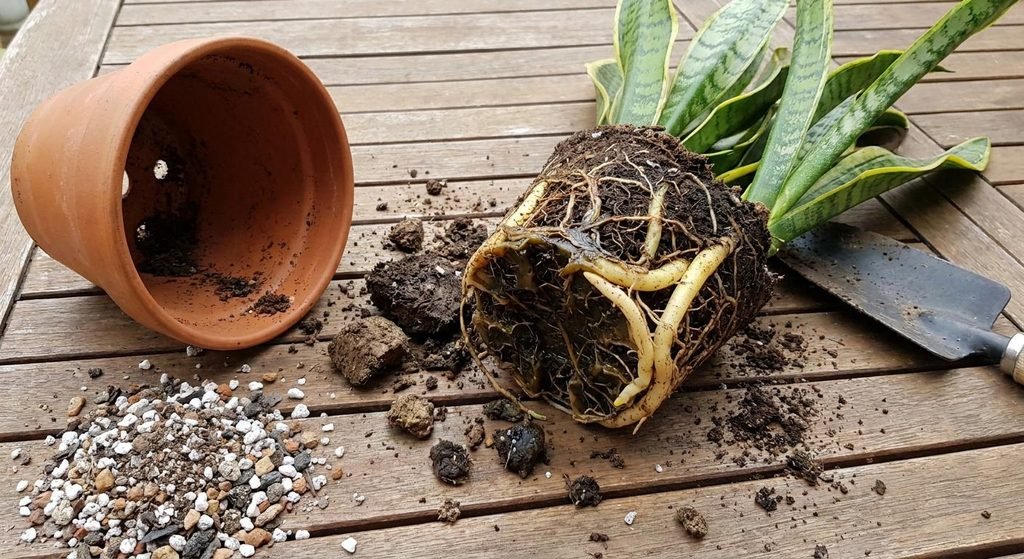
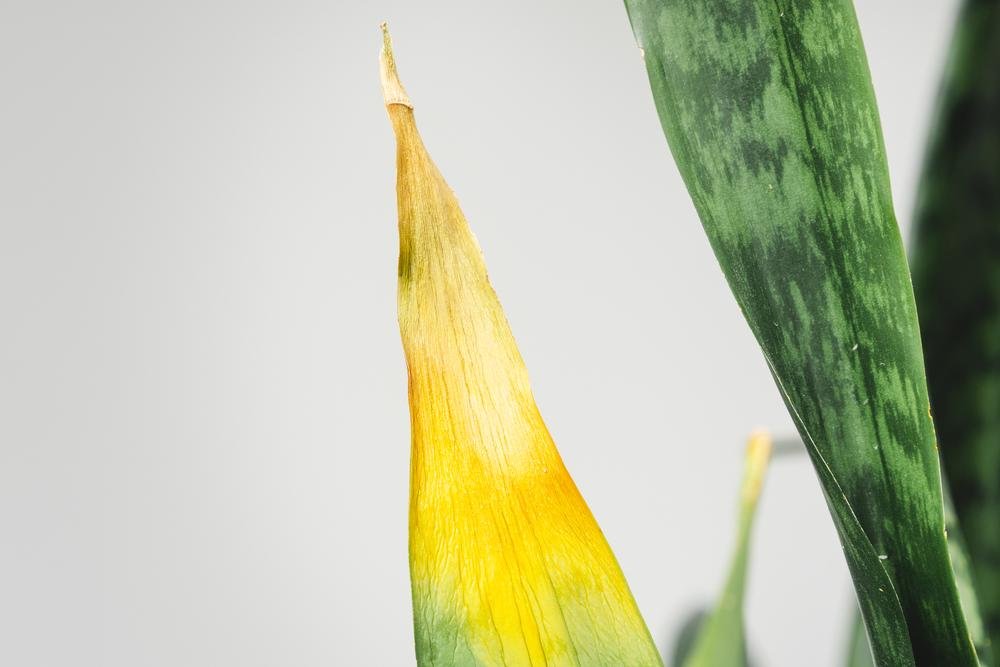
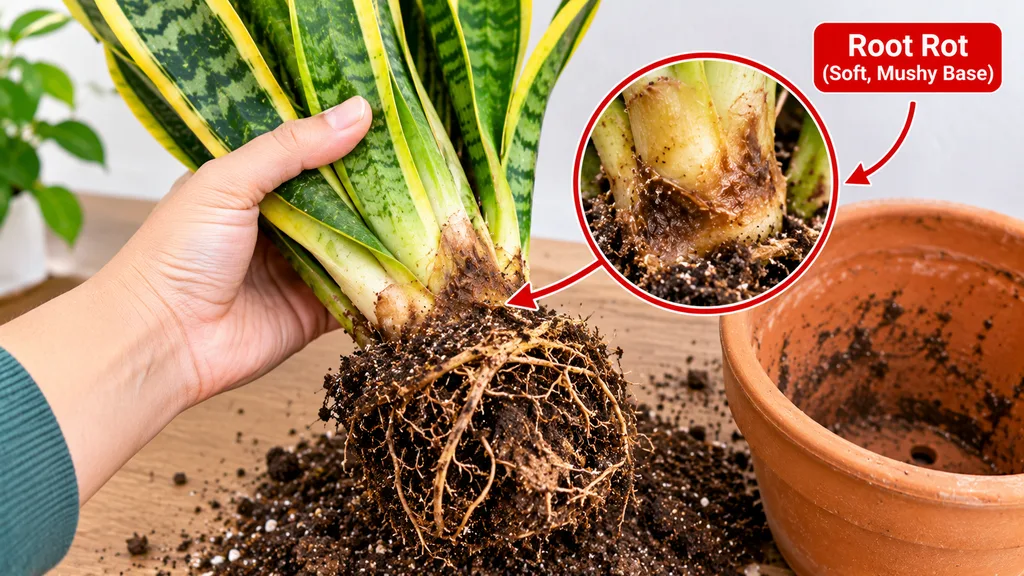
Snake plants store water in their thick leaves and underground stems, so they cope with dry spells far better than with wet soil. When the soil stays soggy, the roots cannot breathe and begin to rot. The base of each leaf turns soft and mushy, so it can no longer hold the leaf upright, and the leaf folds or collapses. You may also see yellowing, a bad smell and a pot that feels heavy.
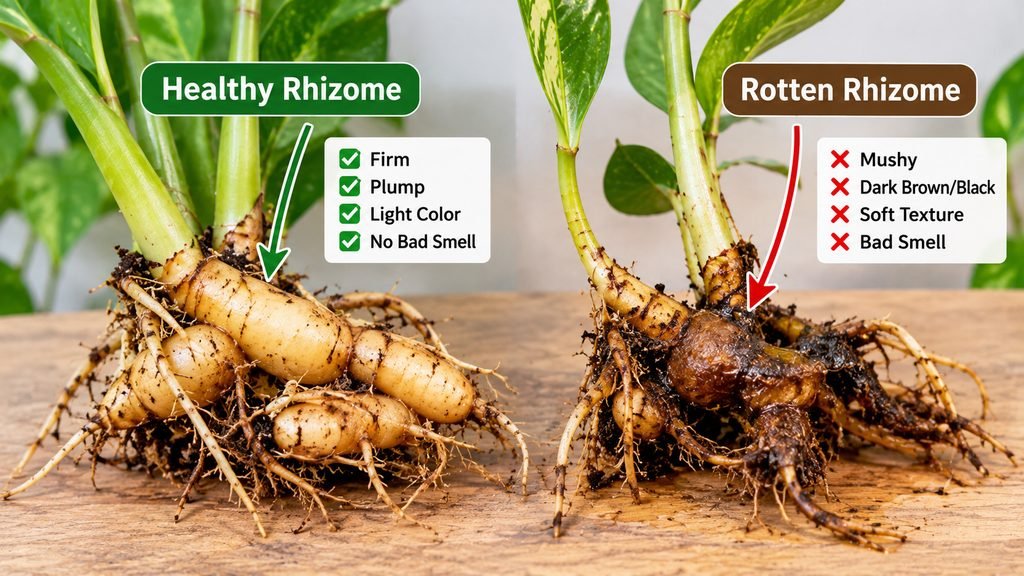
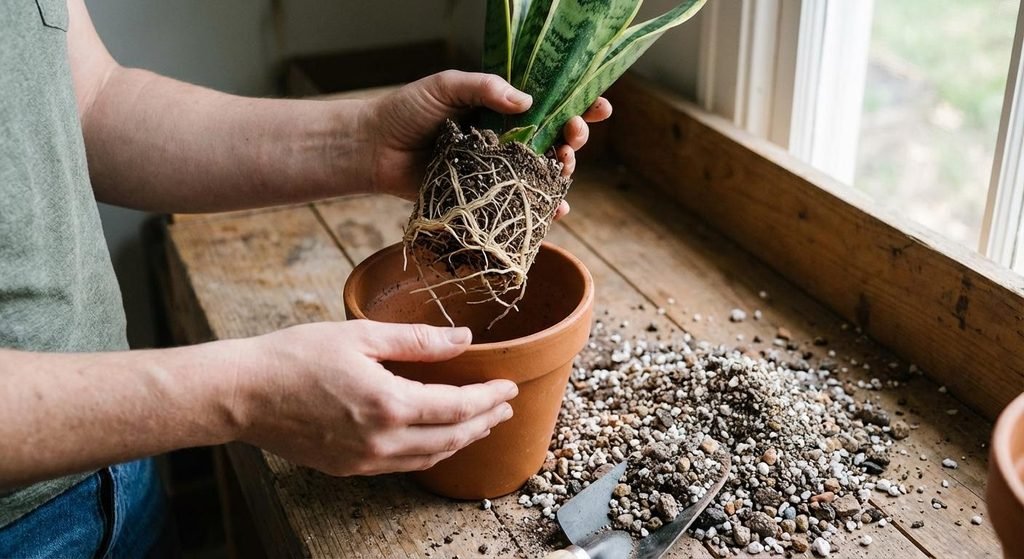
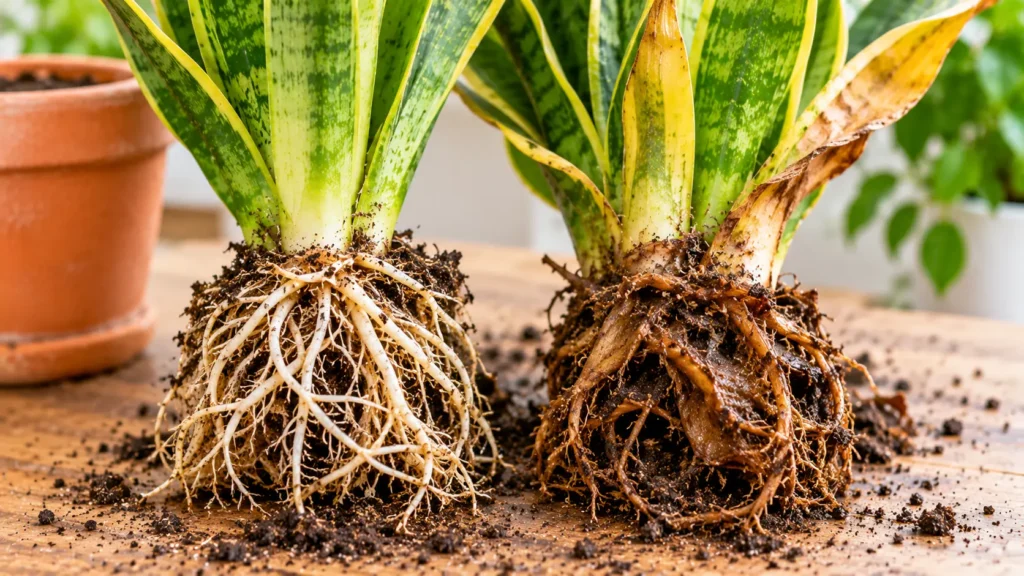
What to do: Stop watering. Take the plant out of its pot, shake off the wet soil and look at the roots. Healthy roots are firm and light in color. Rotten roots are brown or black, soft and smelly. Trim the rotten parts with clean scissors, repot in fresh, fast-draining mix in a pot with drainage holes, and wait a week or more before watering again. For the full routine and a simple soil test, see our guide on How Often to Water a Snake Plant.
2. Underwatering
This is much less common, but it happens. Leaves store water in their cells, and that water is what keeps them firm and upright. If the plant is left very dry for a long time, the leaves become thin, wrinkled or curled, and they can no longer hold themselves up. The soil is bone dry and the pot is very light.
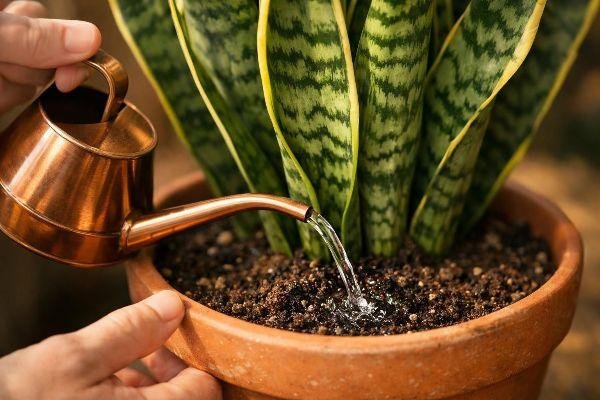
What to do: Water thoroughly until water drains from the bottom, or set the pot in a few inches of water for 10 to 20 minutes and let it drain. Then go back to checking the soil before each watering. Do not overcorrect by watering too often.
3. Too Little Light
Snake plants tolerate low light, but in a very dim spot new leaves grow thinner, paler and weaker, and they may stretch toward the light and flop. Low light also keeps the soil wet longer, which makes overwatering more likely.
What to do: Move the plant to bright, indirect light. Water less often until it adjusts, and give the pot a quarter turn every few weeks so it grows evenly.
4. A Root-Bound Plant
Snake plants like to be snug, but a severely root-bound plant can droop and tip over. Signs include roots coming out of the drainage holes, a bulging or cracked pot, water running straight through the pot, and a plant that keeps tipping.
What to do: Repot into a pot only slightly bigger, about 1 to 2 inches (2.5 to 5 cm) wider, using fresh, fast-draining mix. Snake plants usually need repotting only every few years. See the repotting steps in our [LINK: Snake Plant Care] guide.
5. Cold Temperatures and Drafts
Snake plants are tropical in origin and dislike the cold. Temperatures below about 50°F (10°C), cold windows in winter or drafts from doors and air-conditioning vents can make leaves soft, floppy and weak. Remember that winter falls in different months depending on where you live, roughly December to February in the Northern Hemisphere and June to August in the Southern Hemisphere.
What to do: Move the plant to a warmer spot, away from cold glass and vents, and water less in cold weather.
6. Tall, Heavy Leaves and an Unstable Pot
Tall leaves are heavy, and a light plastic pot or a pot that is too small can tip over easily. In that case, the leaves themselves may be fine, but the whole plant leans or topples.
What to do: Use a heavier pot, such as terracotta or ceramic, that is wide enough to support the plant. You can also stake tall leaves, as explained below.
7. Poor Drainage or Heavy Soil
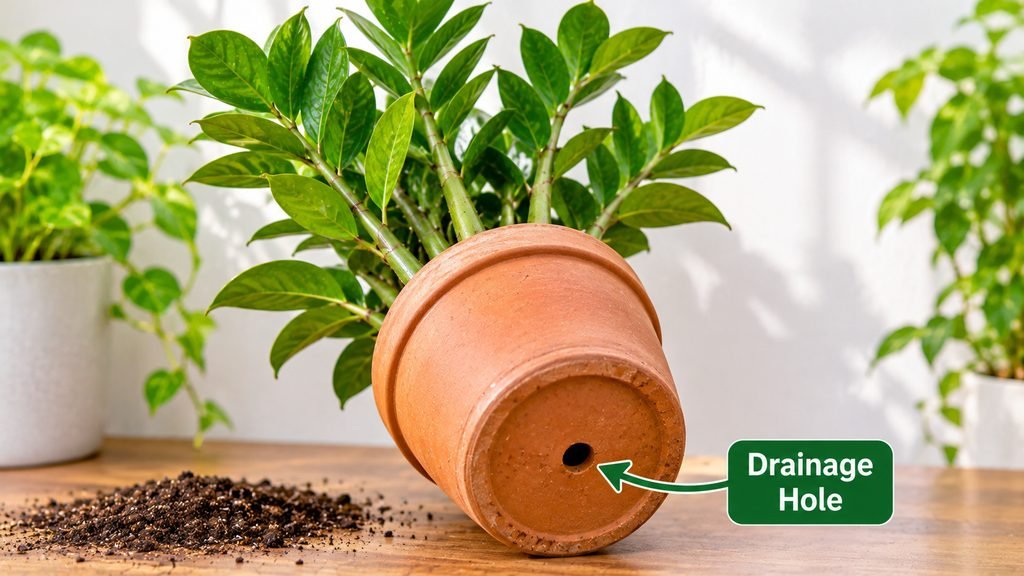
Even with careful watering, a pot with no drainage hole or a dense, peaty mix keeps the roots wet for too long, which leads to the same rot as overwatering. Water left in a saucer or decorative outer pot does the same.
What to do: Use a pot with drainage holes, empty the saucer after watering, and switch to a cactus or succulent mix, or lighten regular potting soil with perlite or coarse sand.
8. Too Much Fertilizer
Snake plants need very little feeding. Too much fertilizer builds up salts in the soil and can damage the roots and weaken the plant.
What to do: Flush the soil with plenty of water so it drains freely, and stop feeding for a while. When you do feed, follow the label, use less rather than more, and only in spring and summer.
How to Fix a Falling Snake Plant, Step by Step
Change one thing at a time so you know what helped.
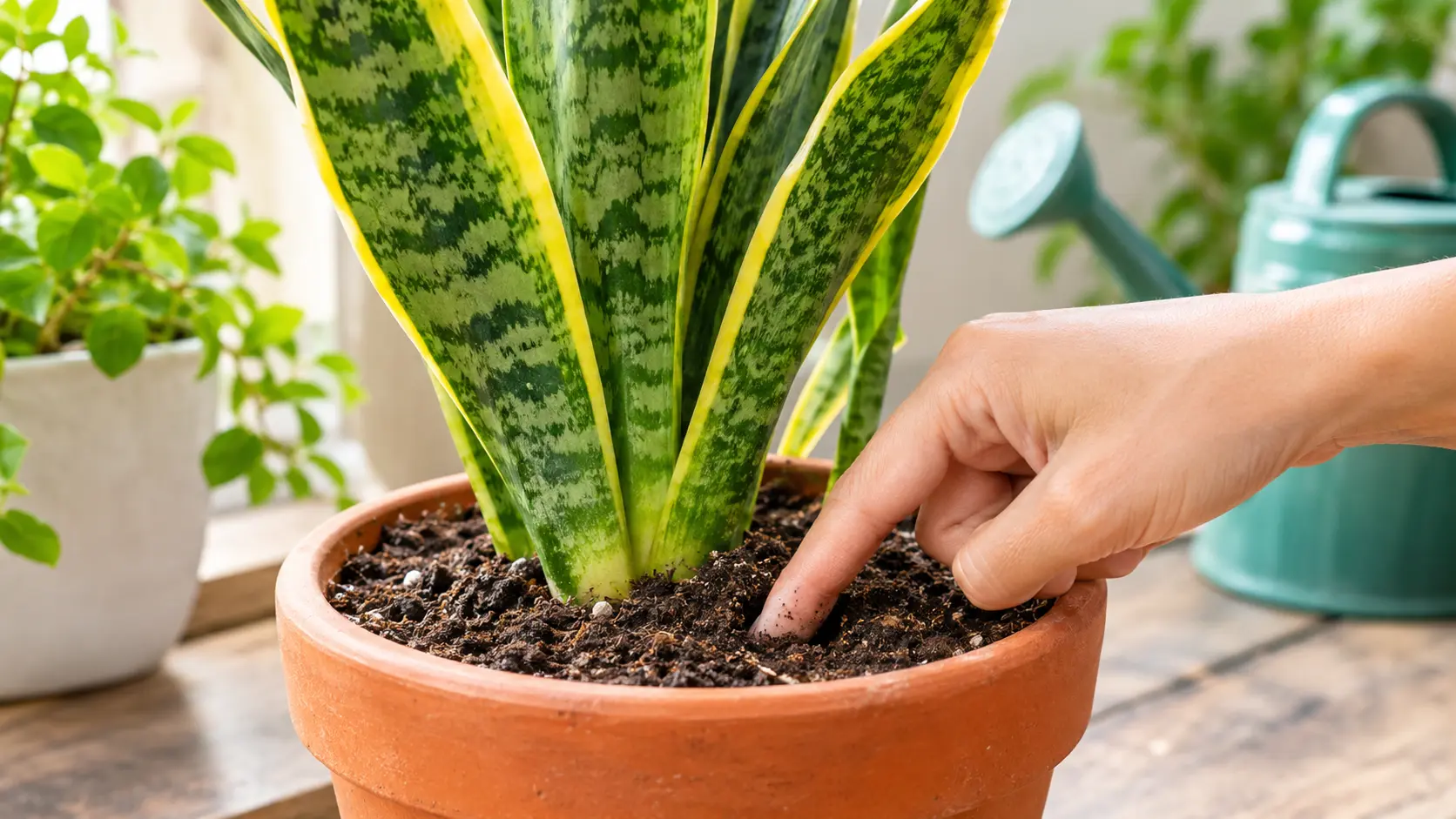
- Check the soil. Wet means overwatering or poor drainage. Bone dry means underwatering.
- Feel the base of the leaves. Soft and mushy points to rot. Firm and thin points to thirst or light.
- Take the plant out of its pot if you suspect rot. Look at the roots and trim anything soft, brown or smelly with clean scissors.
- Repot if needed, into fresh, fast-draining mix in a pot with drainage holes. If the plant is root-bound, go up one pot size.
- Move it to bright, indirect light and a warmer spot if it is cold.
- Wait before watering after repotting, then return to watering only when the soil is completely dry.
- Be patient. Recovery is slow. New, upright leaves are the real sign it worked.
Should You Cut Off or Stake Fallen Leaves?
Do not cut every leaf at the first sign of snake plant leaves falling over. A leaf that has only leaned, and is still firm, can often stay. But a leaf that has collapsed, creased or turned soft rarely stands up again.
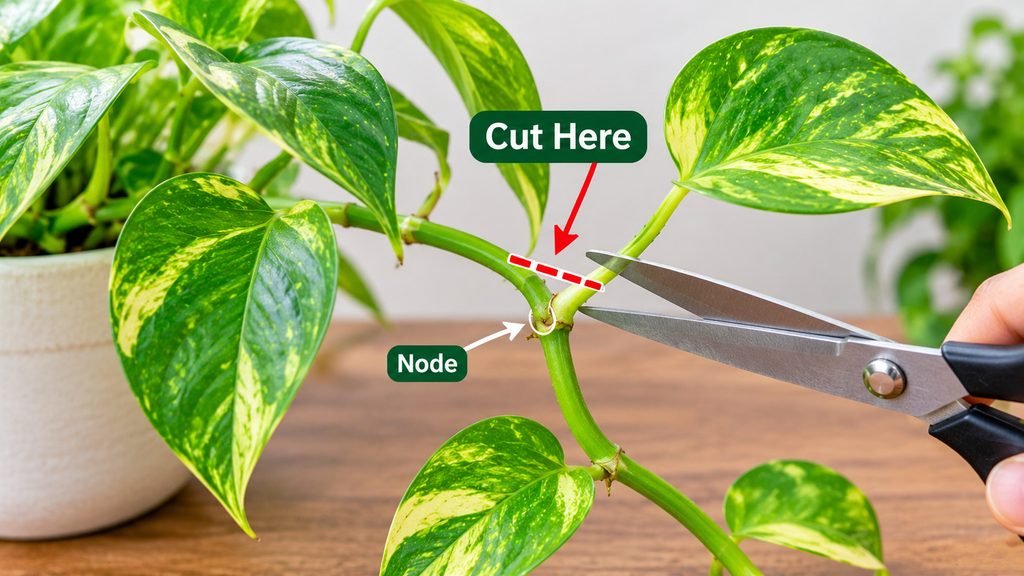
- Cut a leaf that is soft, mushy, badly creased or fully collapsed. Cut it off at the soil line with clean, sharp scissors.
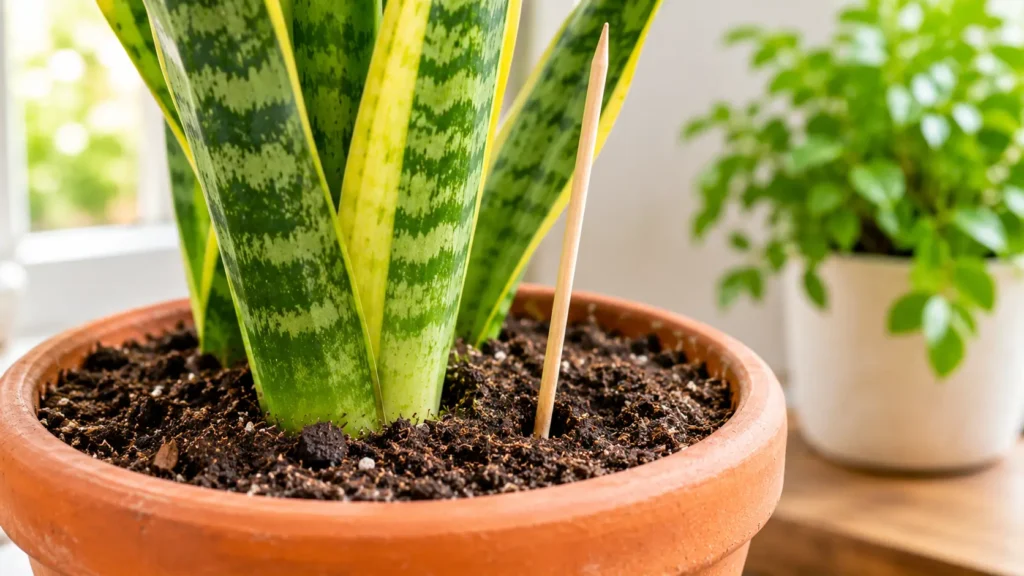
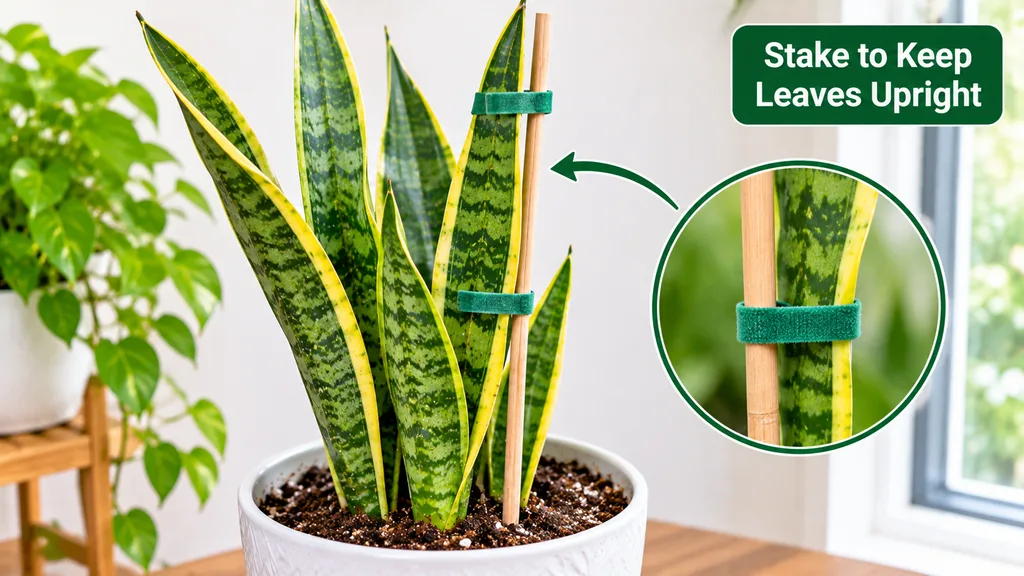
- Stake a healthy leaf that is just leaning. Push a thin stake or bamboo stick gently into the soil beside it, and loosely tie the leaf with soft string or a plant tie. Remove the support after a few weeks once the leaf is sturdy.
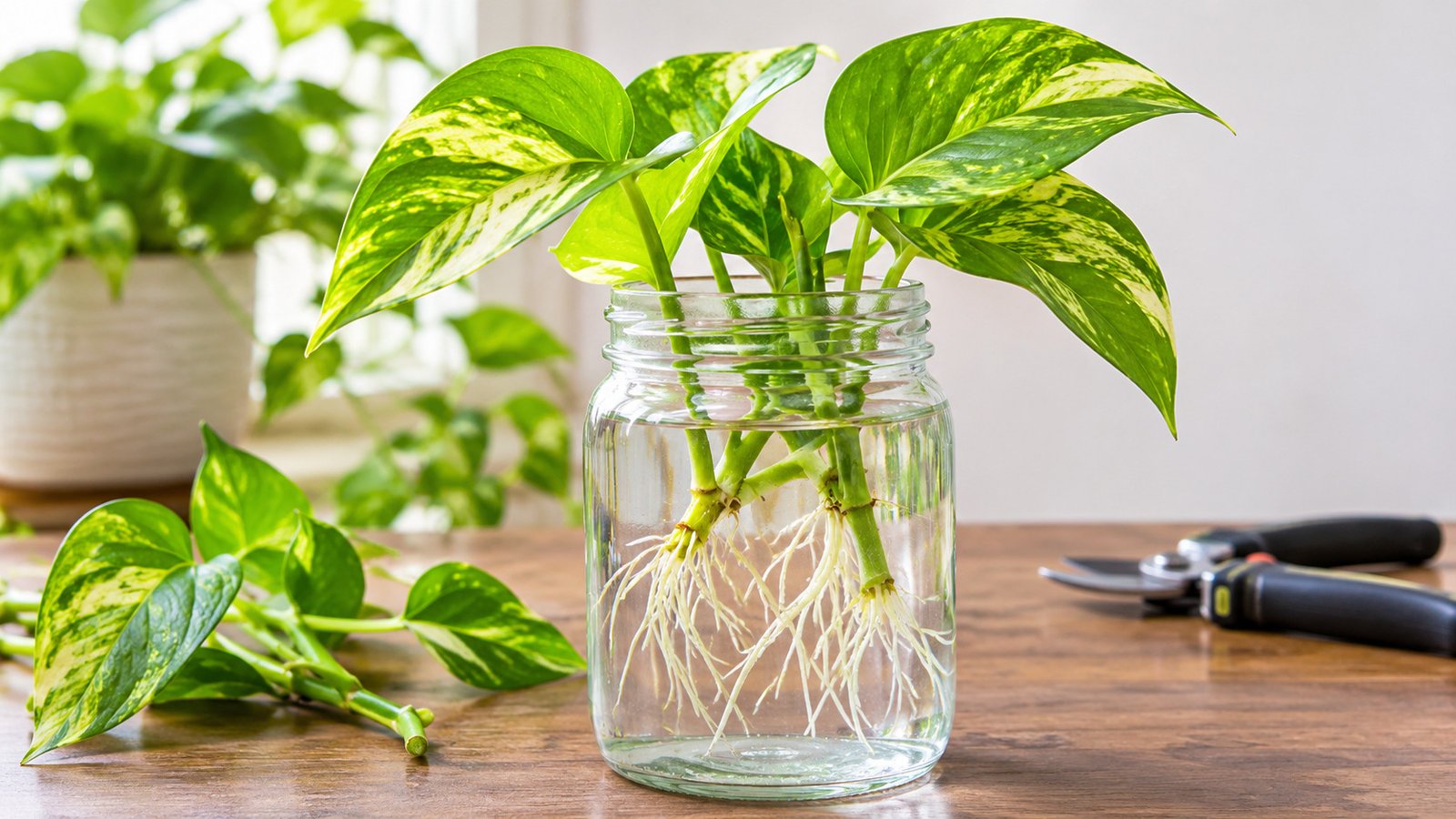
- Propagate a healthy cut leaf if you want a new plant. Cut it into sections, let the ends dry for a day or two, and root them in water or soil. Our Snake Plant Care guide has the steps.
Removing damaged leaves does not cure the cause. Fix the cause, or the next leaf will follow. When pruning, wash your hands afterwards and keep trimmings out of reach of pets, because snake plants are toxic to cats and dogs.
How to Prevent Leaves From Falling Over
The best way to prevent snake plant leaves falling over is to get watering, light and the pot right. These habits help:
- Check the soil and water only when it is completely dry.
- Use a pot with drainage holes, and a fast-draining soil mix.
- Choose a pot that is heavy and stable, and only slightly bigger than the root ball.
- Give bright, indirect light.
- Keep the plant away from cold drafts, and water less in winter.
- Feed lightly, if at all.
- Repot every few years, or when the plant is crowded.
If the leaves are also turning yellow, read our guide on Snake Plant Leaves Turning Yellow.
Frequently Asked Questions
Will my snake plant leaves stand back up?
If a leaf is only slightly bent and still firm, it may stand back up once the cause is fixed, or you can stake it. A leaf that has collapsed or turned soft will not recover, so remove it and focus on the new growth.
Why is my snake plant drooping and soft?
Soft, drooping leaves usually mean overwatering and root rot, though cold damage can look similar. Check the soil and the base of the leaves.
Why is my snake plant drooping and wrinkled?
Thin, wrinkled leaves usually mean the plant is thirsty. Check that the soil is completely dry, then water deeply.
Why is only one leaf falling over?
It may simply be a tall, heavy outer leaf. If the rest of the plant is firm, there is nothing to worry about.
Can I save a snake plant that has fallen over completely?
Often, yes, as long as the roots and underground stem are still firm. Take it out of the pot, trim rotten parts, repot in fresh mix and be patient. If the base is mostly rotten, you may still be able to grow new plants from healthy leaf cuttings.
Final Thoughts
Snake plant leaves falling over is a signal, not a death sentence. Start with the soil and the base of the leaves, because overwatering and root rot are the usual cause. Then check light, the pot, the temperature and whether the plant is root-bound. Fix one thing at a time and watch for new, upright growth.
Related reading: How Often to Water a Snake Plant, Snake Plant Leaves Turning Yellow, Snake Plant Care and ZZ Plant vs Snake Plant