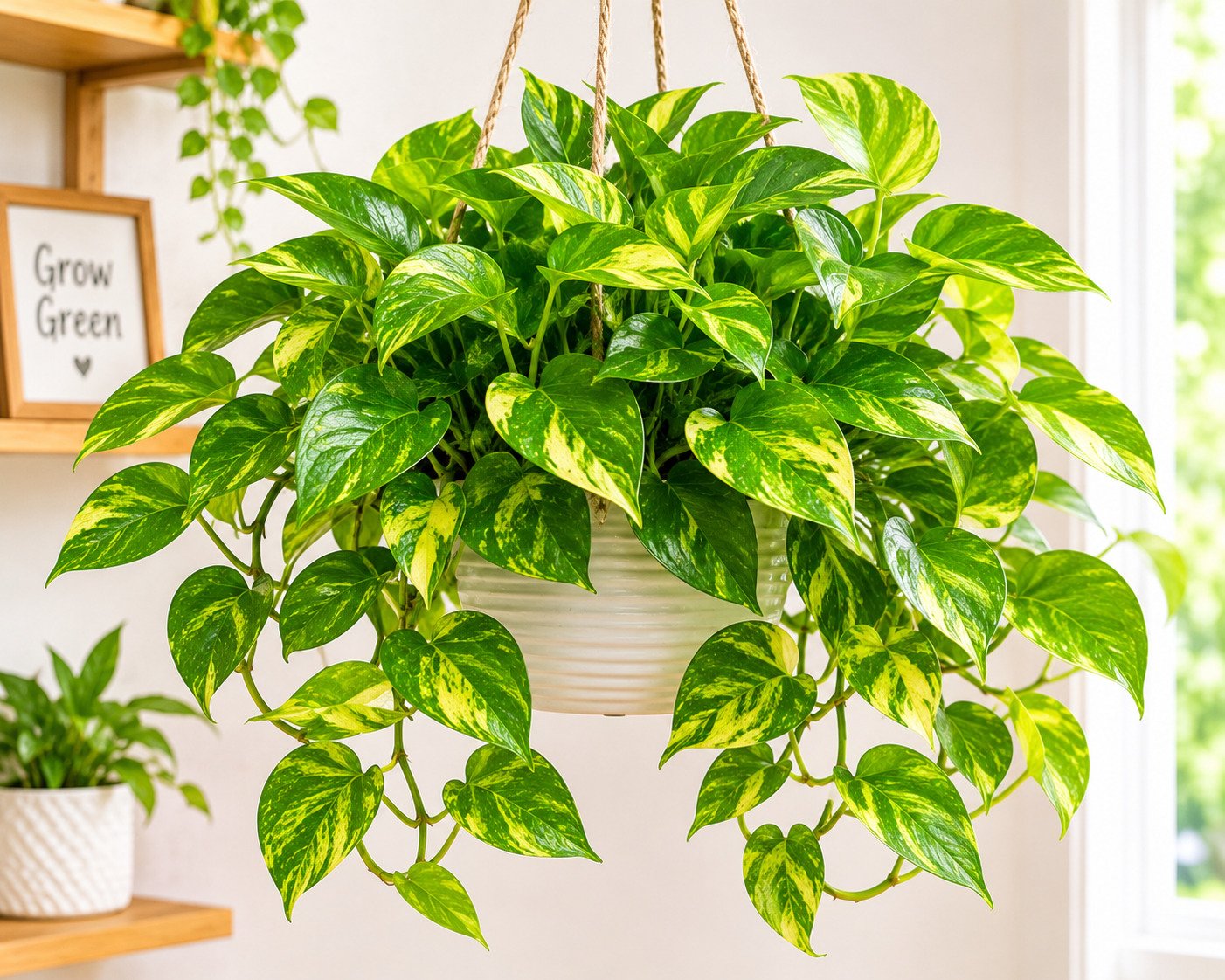
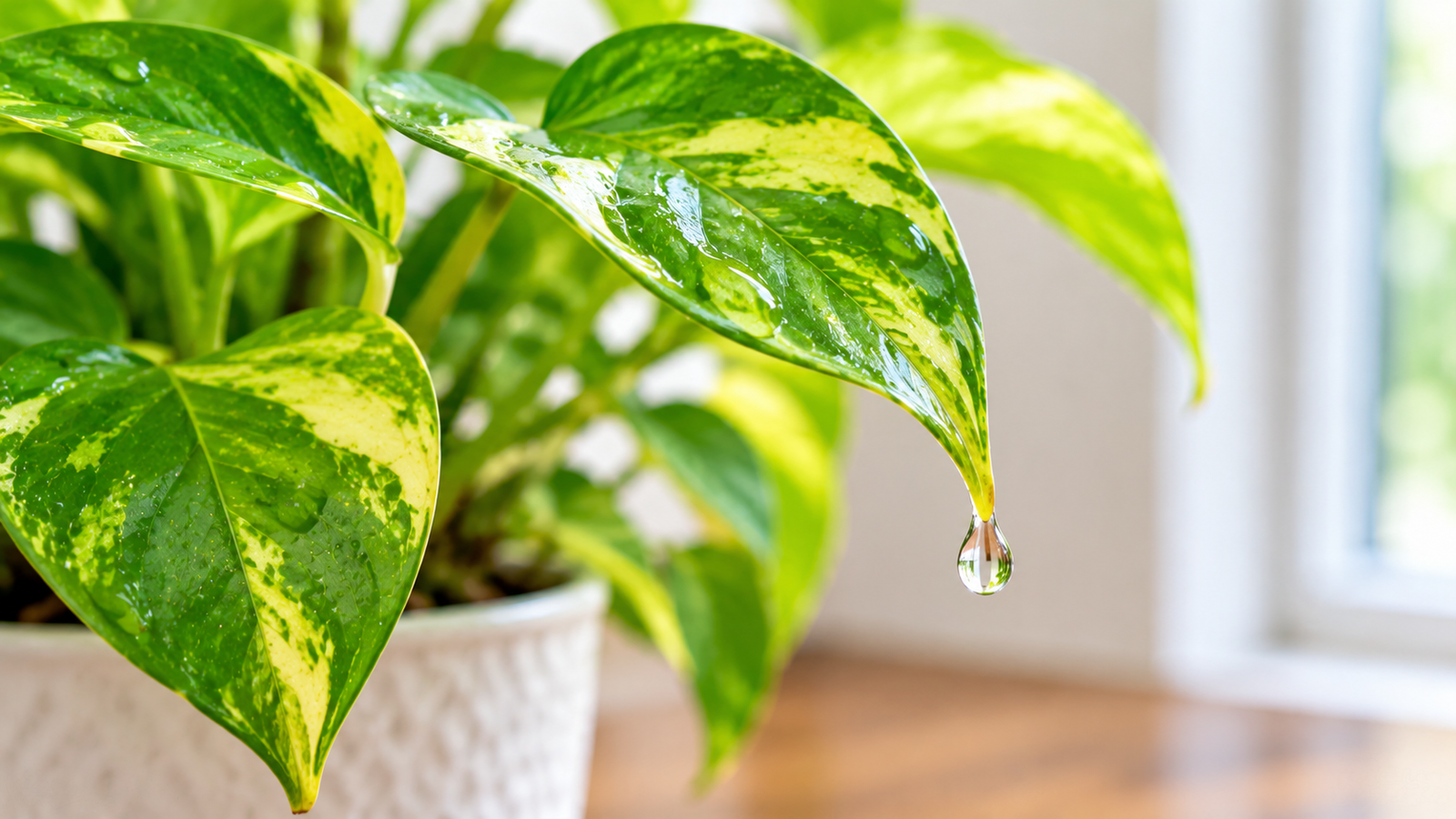
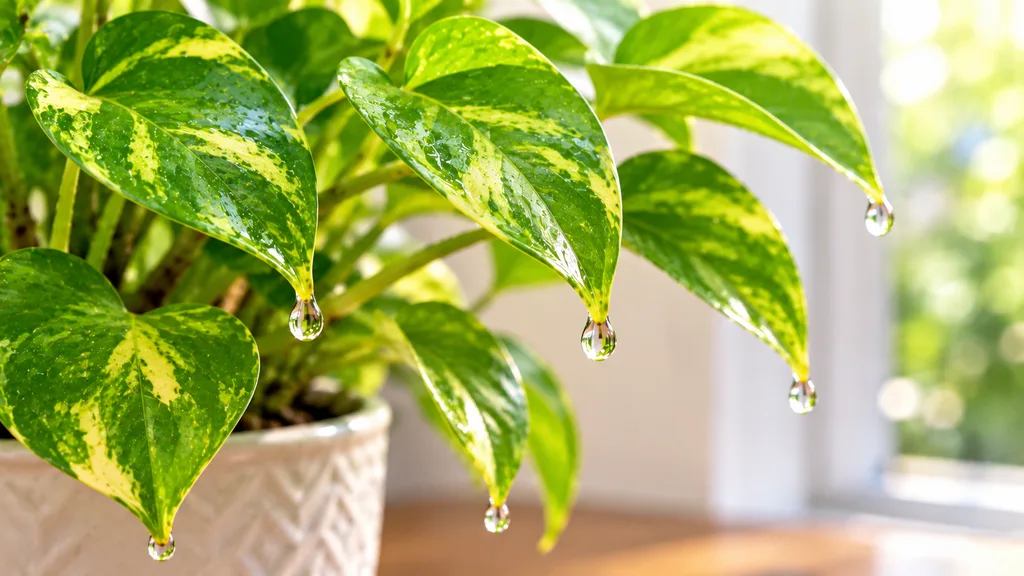
Pothos dripping water can be startling. You walk past your plant in the morning and find a drop of water hanging from almost every leaf tip, or a wet patch on the shelf below. Is it crying? Is it sick? In most cases, the answer is simple and harmless. This guide explains why your pothos is dripping water, how to tell normal drops from a warning sign, and what to do about it.
Quick answer: A pothos dripping water from its leaf tips is usually showing guttation. That means the plant is pushing out extra water through tiny glands. It is normal, but if it happens all the time, your soil may be staying too wet.
Pothos Dripping Water: The Short Answer
Most of the time, the drops are guttation, a natural process. Use this table to work out what you are seeing.
| What you see | What it probably is | What to do |
| Clear drops at the leaf tips, mostly in the morning | Guttation (normal) | Nothing. Check the soil before the next watering |
| Drops almost every day, soil stays wet, yellow leaves or soft stems | Overwatering | Check the roots and water less |
| Sticky drops or film on the leaves or stems, tiny insects or cottony fluff | Pests (honeydew) | Isolate the plant and wipe the leaves |
| White, crusty residue at the leaf tips | Mineral salts left after drops dry | Wipe it off, and feed less |
| Drops after misting, or on leaves near a cold window | Spray or condensation | Not guttation, nothing to fix |
What Is Guttation?
Plants constantly move water from their roots, up through their stems and out through tiny pores in the leaves, a process called transpiration. In the daytime, most of that water evaporates. But when evaporation slows, the water has nowhere to go, and pressure builds up in the plant. The plant then pushes small drops out through special glands at the leaf tip.
In other words, guttation is not a disease or a sign that your pothos is crying. It is part of how the plant handles water.
Is Pothos Dripping Water a Sign of Overwatering?
Sometimes, but not always. Guttation happens more when the soil is very moist, so heavy watering can trigger it. But it can also happen with perfectly normal care when the air is humid or the room is cool.
Look at the whole plant instead of the drops alone:
- Probably fine: Leaves are firm and green, the soil dries out in a normal amount of time, and the drops appear now and then.
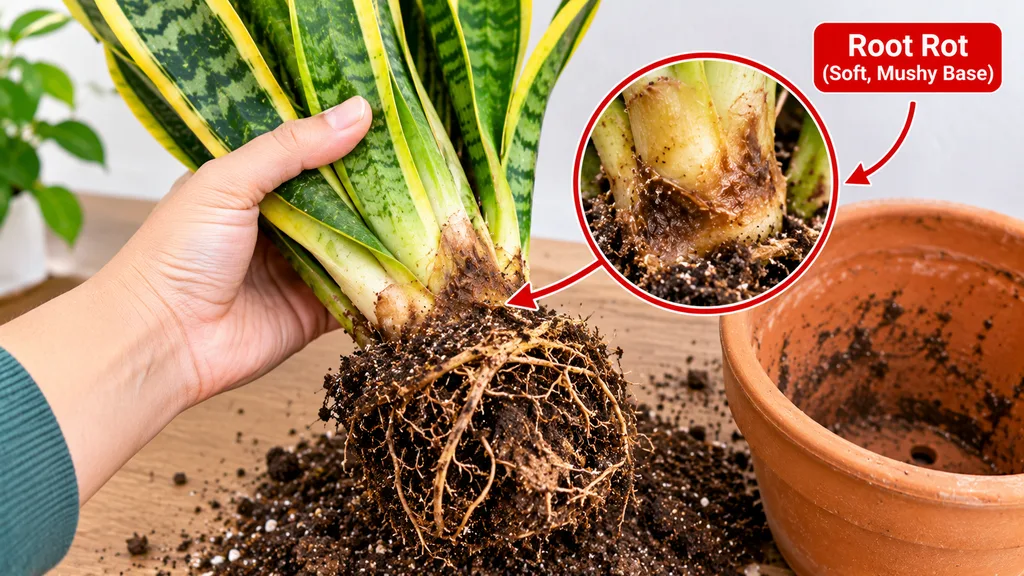
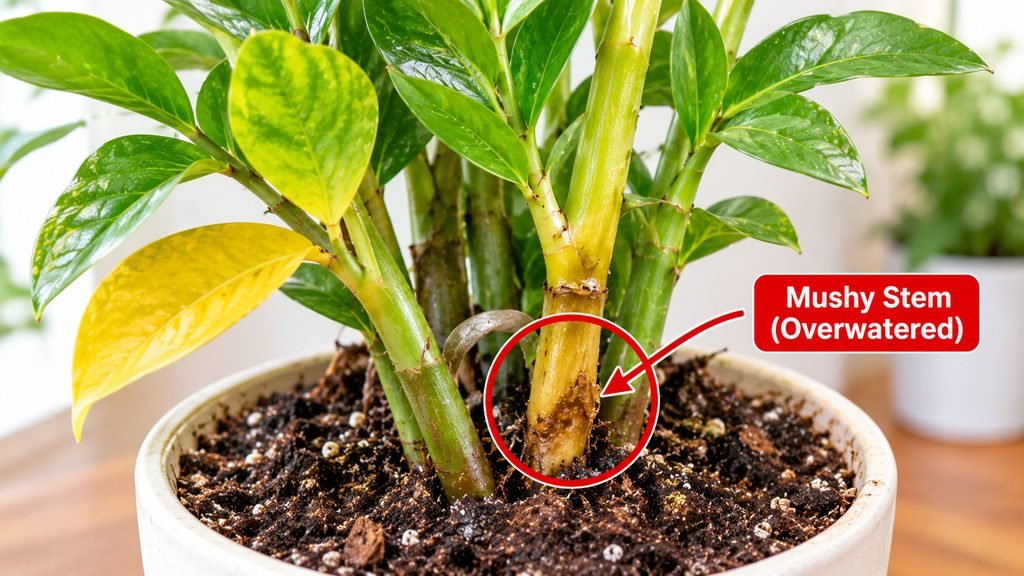
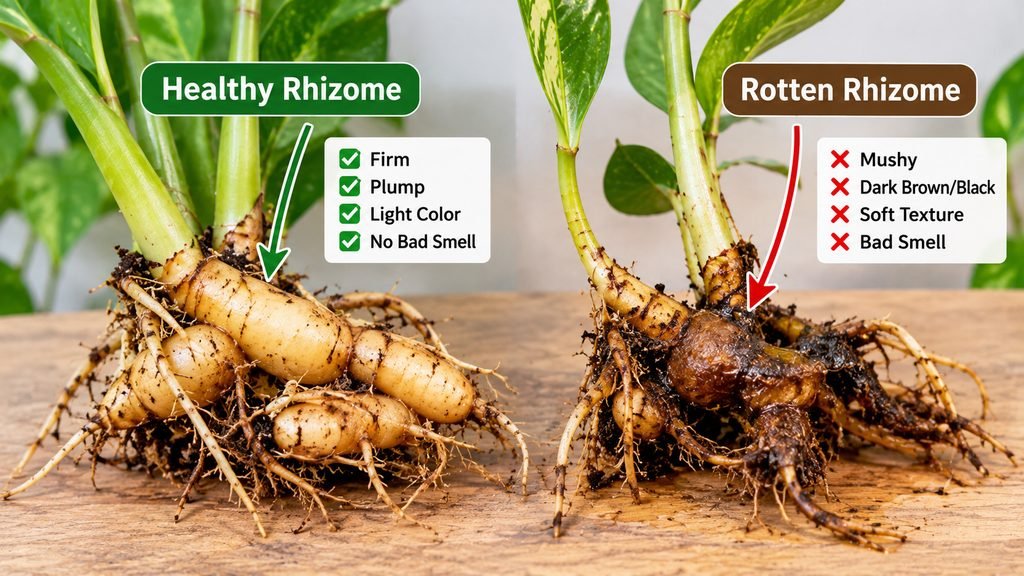
- Probably overwatering: The soil stays wet for days, leaves turn yellow, stems feel soft, or the soil smells musty.
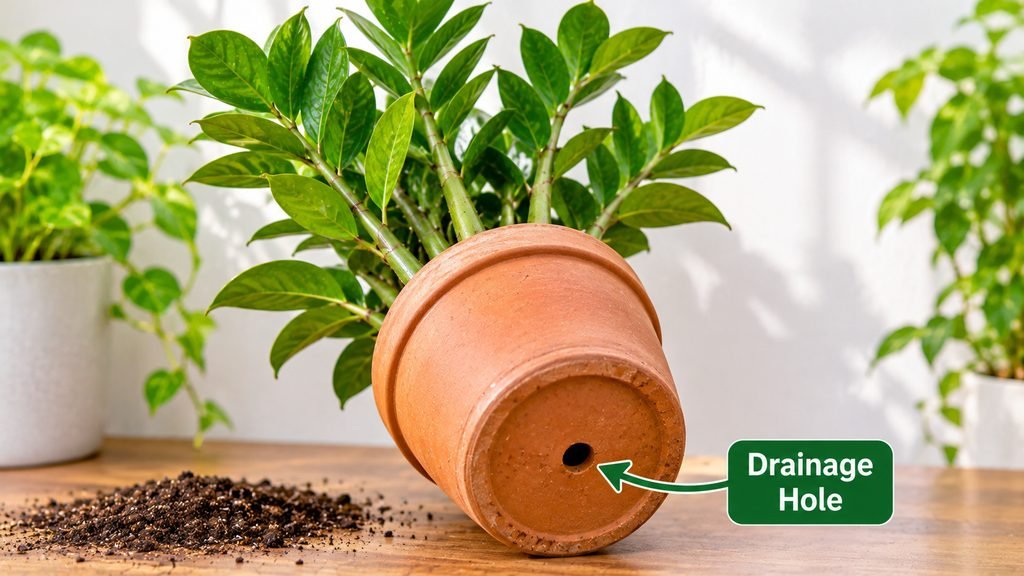
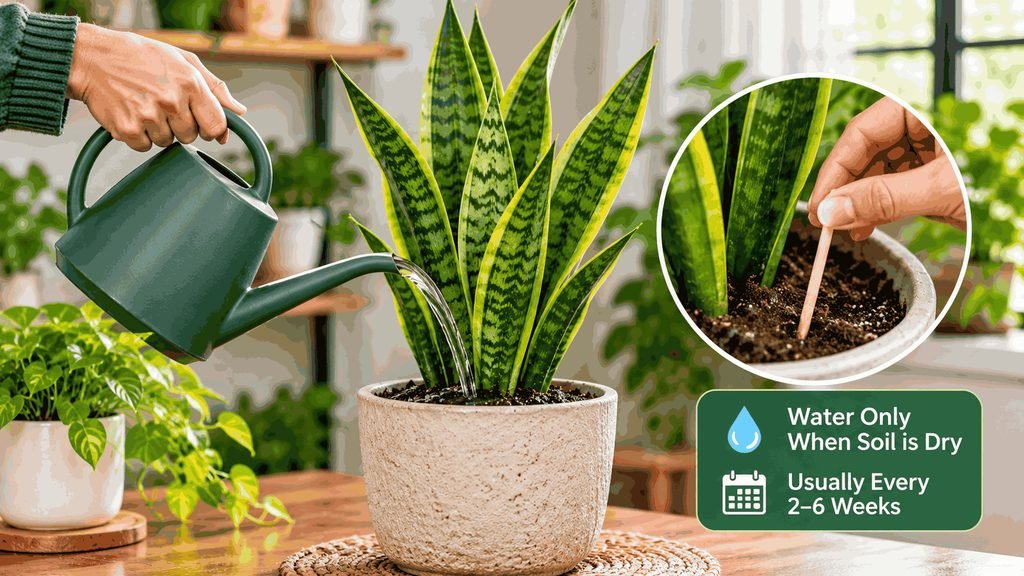
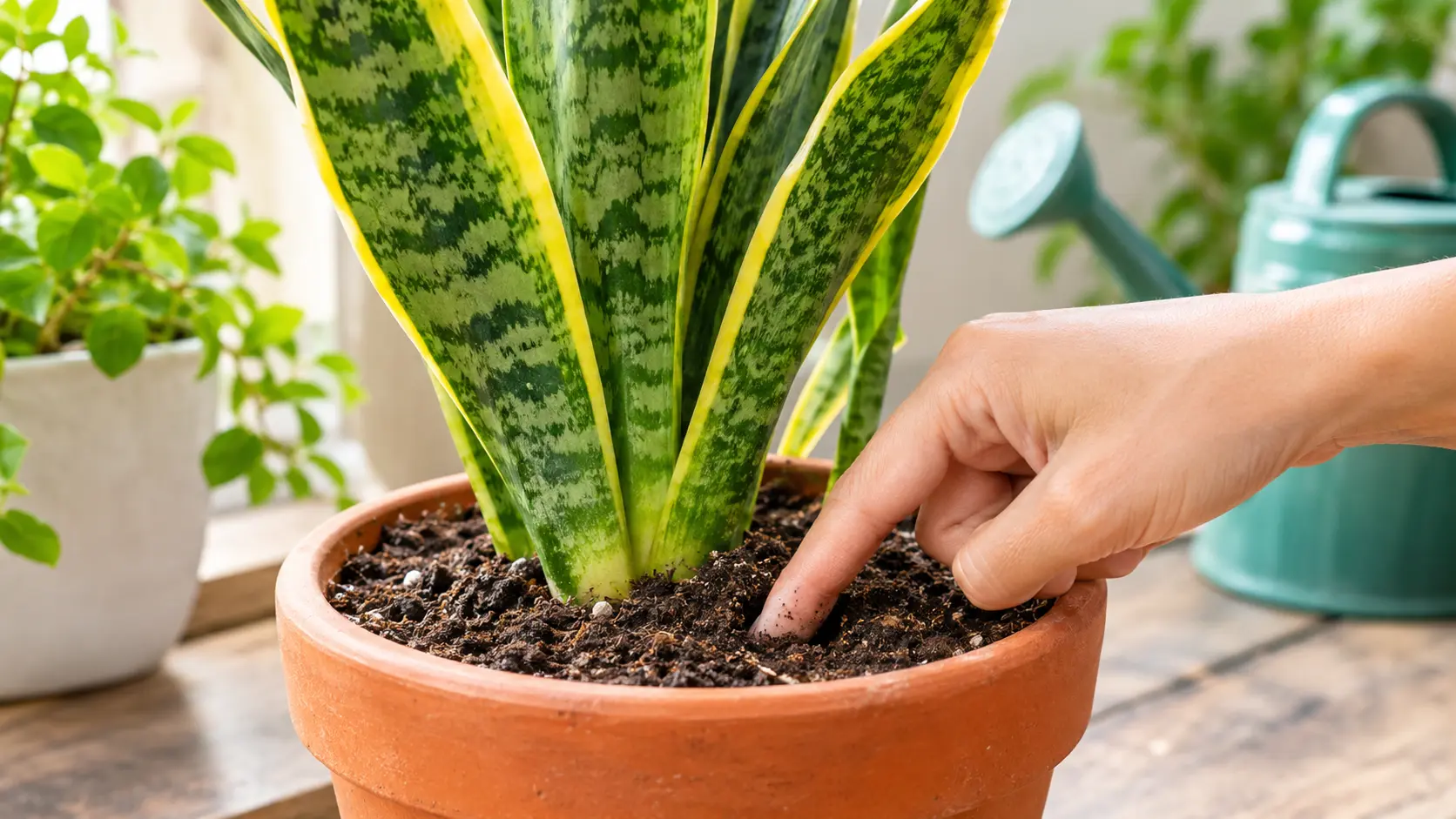
If you suspect overwatering, check that the top 1 to 2 inches (2.5 to 5 cm) of soil are dry before every watering, and make sure the pot has drainage holes. Our guide to How Often to Water a Snake Plant shows a simple soil test that works for pothos too.
Pothos Dripping Water at Night or in the Morning
Most people notice the drops first thing in the morning. During the night, the leaf pores are closed and the air is cooler and stiller, so water cannot evaporate easily. The pressure from the roots then pushes drops out at the leaf tips. Once the sun is up and the room warms, the drops usually dry up or fall. If you only see drops in the morning, that is a good sign that it is normal guttation.
Other Reasons for Wet or Sticky Pothos Leaves
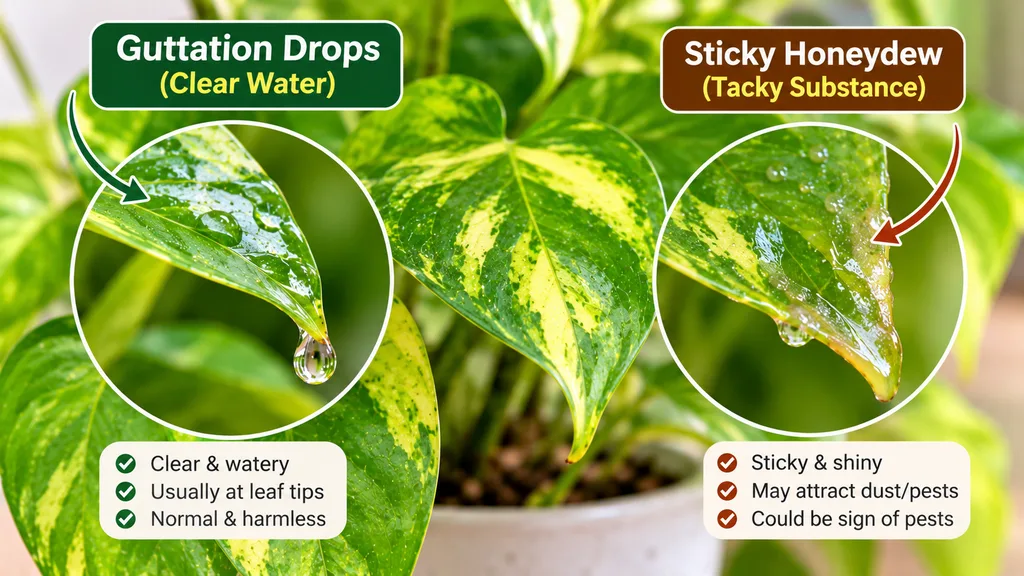
Not all pothos dripping water is guttation. Here is how to tell the difference.
- Condensation or spray. Leaves near a cold window, a humidifier or a misting bottle can get wet in the same way. Drops from guttation appear at the leaf tips.
- Sticky residue (honeydew). Pests such as aphids, mealybugs and scale insects leave a sticky film on leaves and stems. If the drops feel sticky, look for tiny insects, white cottony fluff or small brown bumps on the undersides of leaves and along the stems.
- White crust. When guttation drops dry, they can leave a thin white mineral crust on the leaf tip. This is harmless and wipes off.
If you find pests: Isolate the plant, wipe the leaves with a damp cloth, and dab small clusters of mealybugs or scale with a cotton swab dipped in rubbing alcohol. If the infestation is severe, follow the instructions on a product made for houseplants.
How to Reduce Dripping
Guttation is natural, so you cannot stop it completely, but you can reduce it. To reduce pothos dripping water, try these steps:
- Water only when the soil is dry. Let the top 1 to 2 inches (2.5 to 5 cm) dry out first.
- Use a pot with drainage holes and a well-draining mix. Empty the saucer after watering.
- Improve airflow. Open a window for a short time, or use a gentle fan. Do not blast the plant with direct air.
- Avoid very damp, cool rooms. High humidity and cool temperatures encourage guttation.
- Do not over-fertilize. Feed lightly, and only in spring and summer.
- Water earlier in the day. Some growers find this helps, because the plant has more time to use the water before night.
- Protect your furniture. Put a tray or waterproof mat under the plant, and wipe the leaf tips if you wish.
Is It Harmful? A Safety Note
Is pothos dripping water harmful to the plant? No. In most cases it is a harmless, natural process. Just remember that pothos is toxic to cats and dogs if chewed or eaten, so keep the plant, and any drops or crusts on the leaves, out of reach of pets and small children. Wipe up drops from floors and furniture so nobody slips or licks them.
Do Other Plants Drip Too?
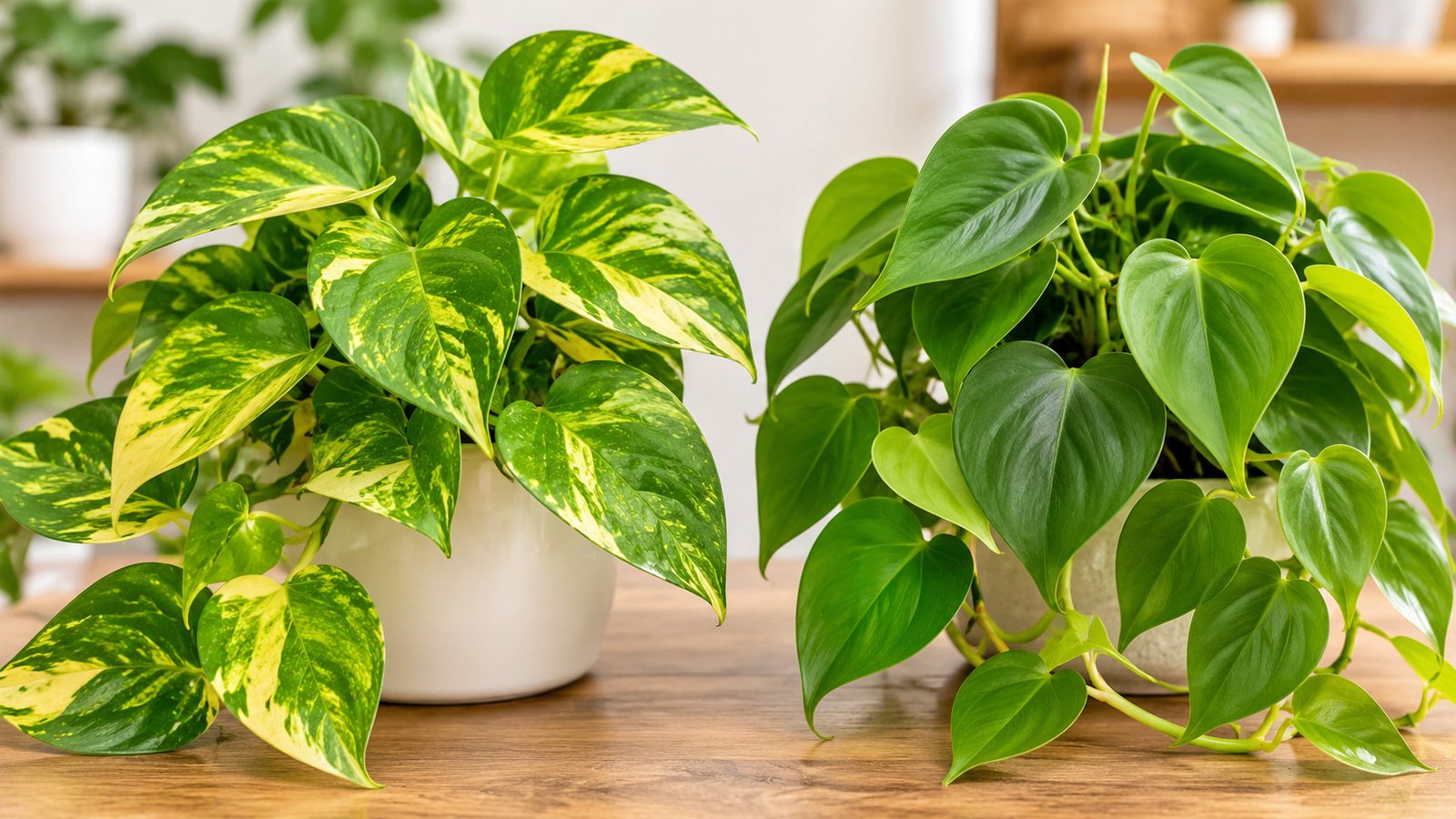
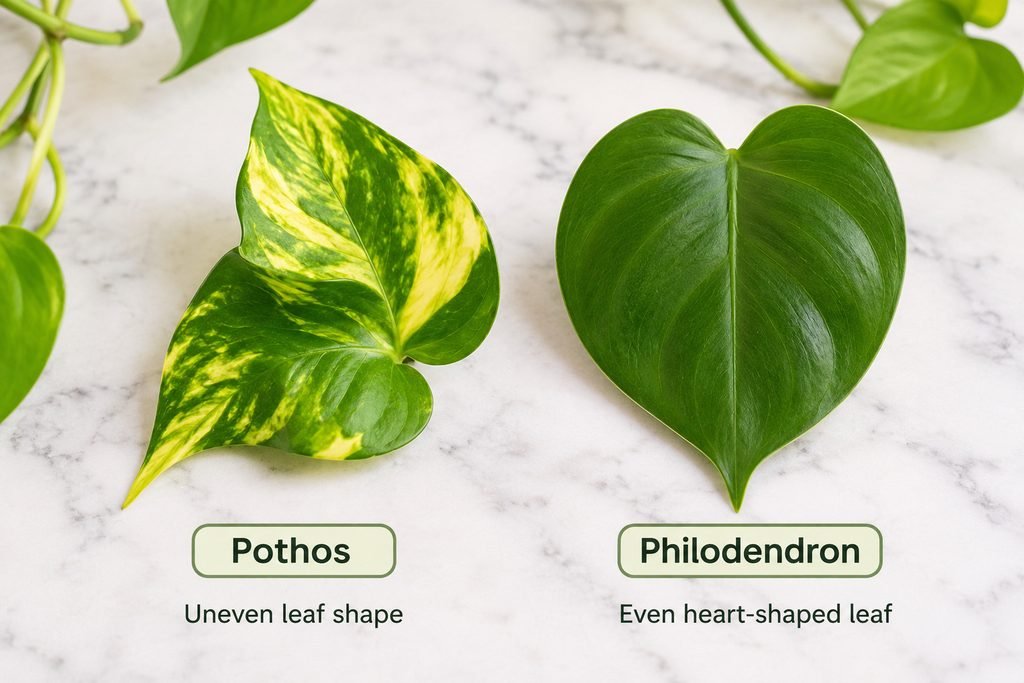
Yes. Guttation is common in many tropical houseplants, such as philodendron, monstera and peace lily, and in many outdoor plants too. If you have both a pothos and a heartleaf philodendron, our Pothos vs Philodendron guide helps you tell them apart.
Frequently Asked Questions
Why is my pothos crying?
It is guttation. The plant is releasing extra water through glands at the leaf tips, usually when the soil is moist and the air is cool and humid.
Does dripping mean my pothos is thirsty?
No. It usually means the opposite: the plant has plenty of water, and the extra is being pushed out. Check the soil before watering.
Should I stop watering my pothos?
Not necessarily. Water when the top 1 to 2 inches (2.5 to 5 cm) of soil are dry. If the soil stays wet for many days, water less often.
Why are only some leaves dripping?
Guttation depends on each leaf’s glands and position, so it often shows up on some leaves and not others.
Why are the drops sticky?
Sticky drops are usually honeydew from pests such as aphids, mealybugs or scale. Check the undersides of leaves and the stems.
Final Thoughts
Pothos dripping water is usually a harmless sign that your plant is healthy and well watered, especially when you see drops in the morning. Check the soil, make sure the pot drains, and keep an eye out for sticky residue or yellow leaves. If everything else looks good, there is nothing to fix.
Related reading: Pothos vs Philodendron, Pothos Propagation and How Often to Water a Snake Plant