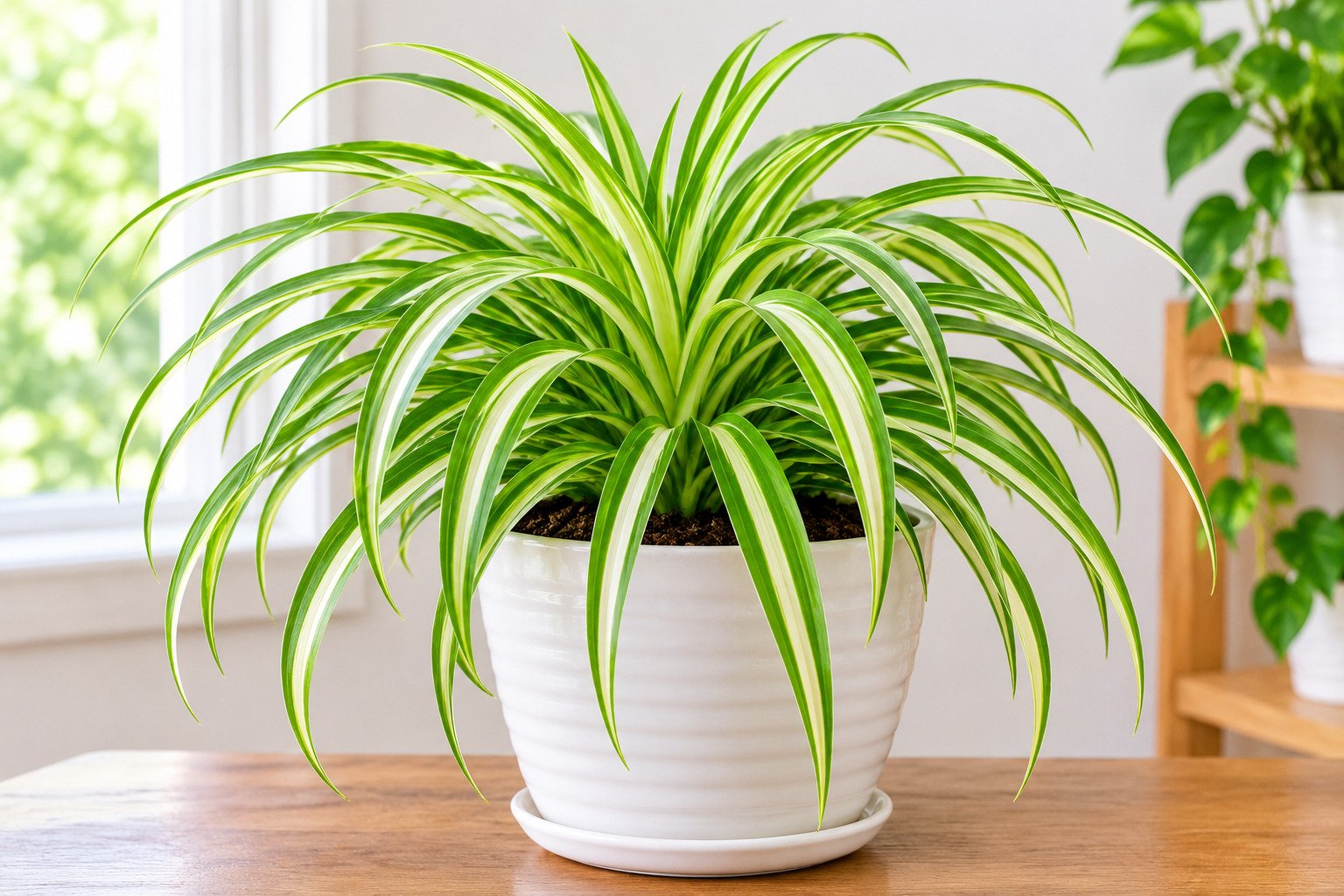
A spider plant not producing babies can feel like a letdown, because those dangling baby plants are half the charm of this houseplant. You have a healthy, green plant, but no little spiderettes hanging from its long stems. The good news is that this is usually easy to explain, and often easy to fix. This guide covers the most common reasons, from a pot that is too big to the wrong light, and shows you what to do about each one.
Quick answer: The most common reasons are that the plant is too young, the pot is too big (spider plants make more babies when slightly pot-bound), or the light is not right. Check your plant’s age, pot and light first.
Spider Plant Not Producing Babies: The Quick Diagnosis
Match your situation to the table below.
| What you notice | Likely cause | First thing to try |
| The plant is less than a year old, or recently grown from a baby | Too young | Be patient and keep caring for it |
| Roots are loose, lots of soil space in the pot | Pot too big | Do not repot. Let it fill the pot |
| Pale, weak growth, leaning toward the window | Not enough light | Move to bright, indirect light |
| Lamps on at night near the plant | Light disturbing the day length | Give it long, dark nights |
| Soil often soggy or bone dry | Watering problems | Water when the top inch is dry |
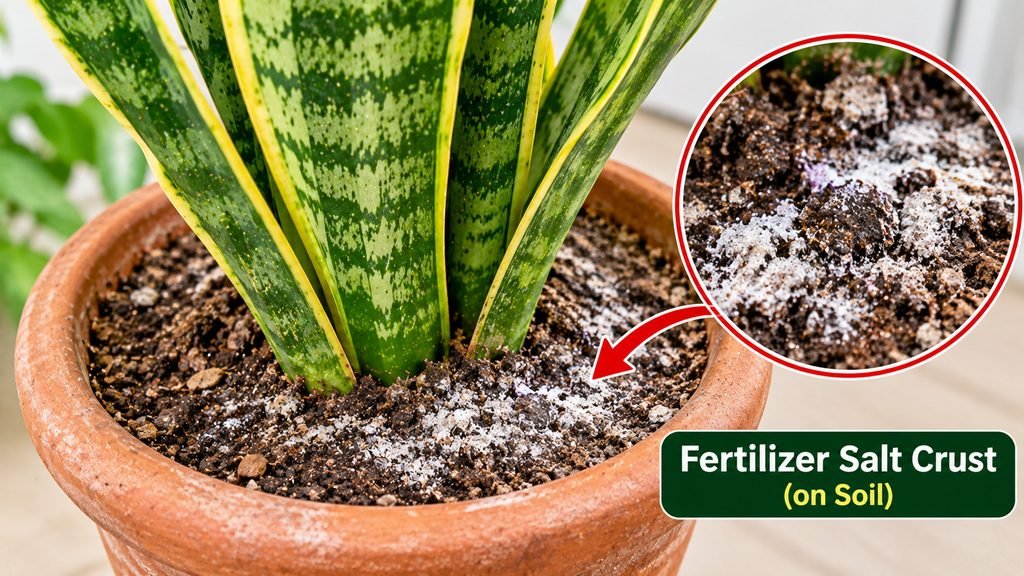
| Brown tips and a white crust on the soil | Too much fertilizer | Flush the soil and feed less |
| Recently repotted, moved or had pests | Stress | Keep conditions steady |
| Healthy plant, good care, still nothing | Variety or timing | Keep waiting, nothing is wrong |
Do Spider Plants Always Make Babies?
No, not always. A spider plant makes babies, also called spiderettes, plantlets or pups, when it is mature and growing well. Some healthy plants make lots of them, some make just a few, and some take years to start. A spider plant not producing babies is not necessarily unhealthy, so check the plant’s overall health first. If the leaves are green and firm and new growth keeps coming, the plant is fine.
8 Common Reasons for a Spider Plant Not Producing Babies
Work through these in order. The first three are the most common.
1. The Plant Is Too Young
A young spider plant puts its energy into growing leaves and roots first. Babies usually appear once the plant is mature, often after a year or more, and sometimes it takes longer. A baby you have just separated and potted needs time to become a mature plant itself.
What to do: Keep giving it good care, and be patient. There is no fixed age.
2. The Pot Is Too Big: A Top Reason for a Spider Plant Not Producing Babies
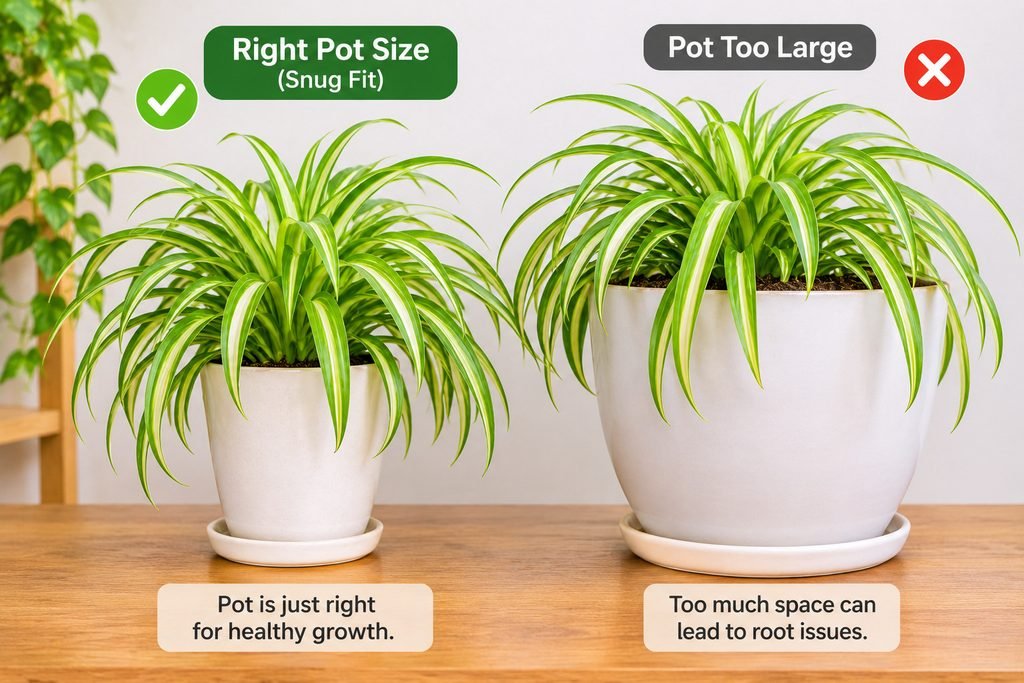
This is the reason people most often miss. Spider plants like to be crowded, and they make more plantlets when their roots fill the pot. says spider plants grow and produce plantlets best when they are slightly pot-bound. If you repotted into a pot much bigger than the roots, the plant puts its energy into filling the space instead of reproducing.
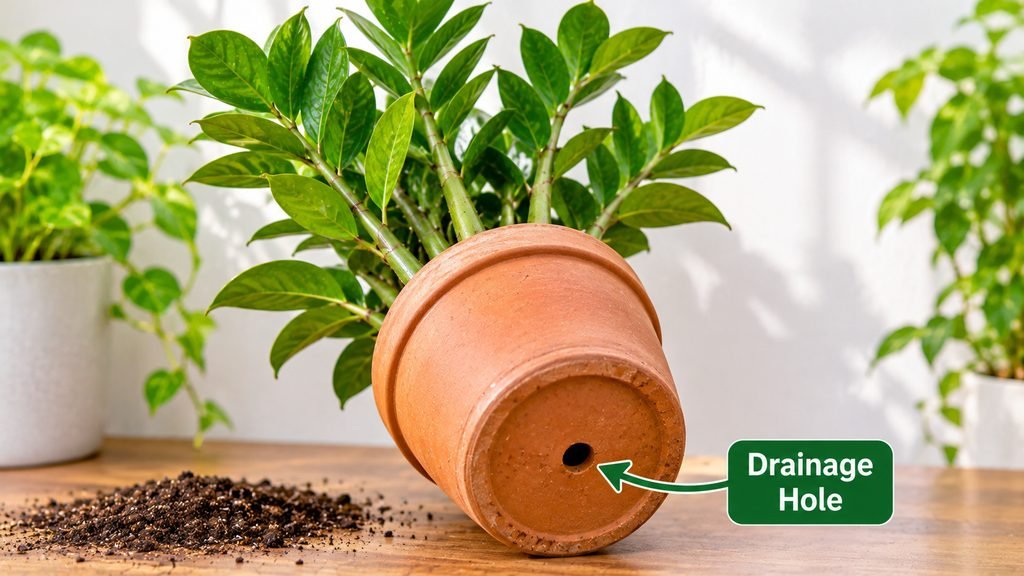
What to do: Do not repot just because the plant looks big. Wait until roots push out of the drainage holes, the pot bulges or water runs straight through. When you do repot, go up only one pot size, about 1 to 2 inches (2.5 to 5 cm) wider. If the pot is far too big, move the plant to a smaller one.
3. Not Enough Light
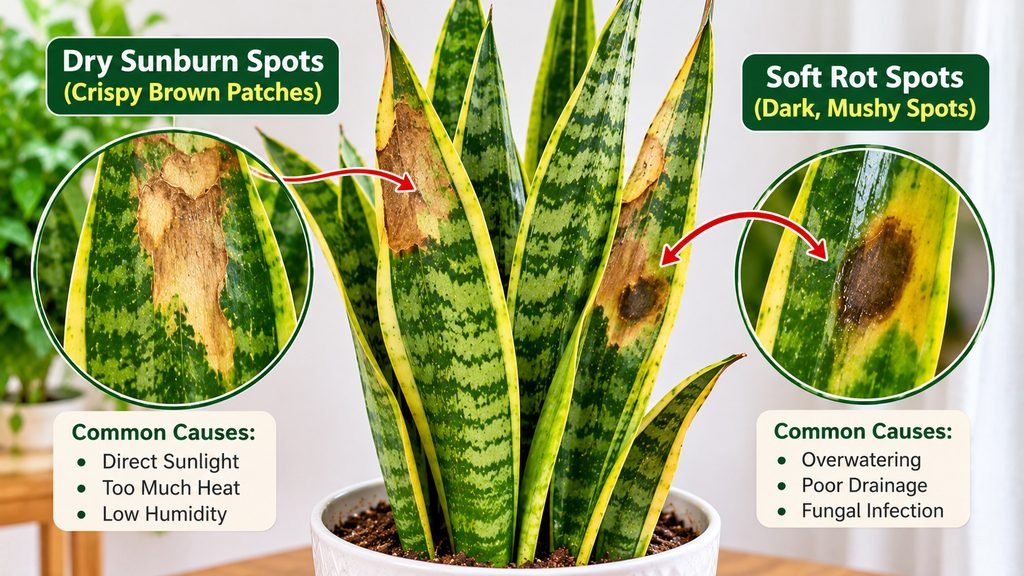
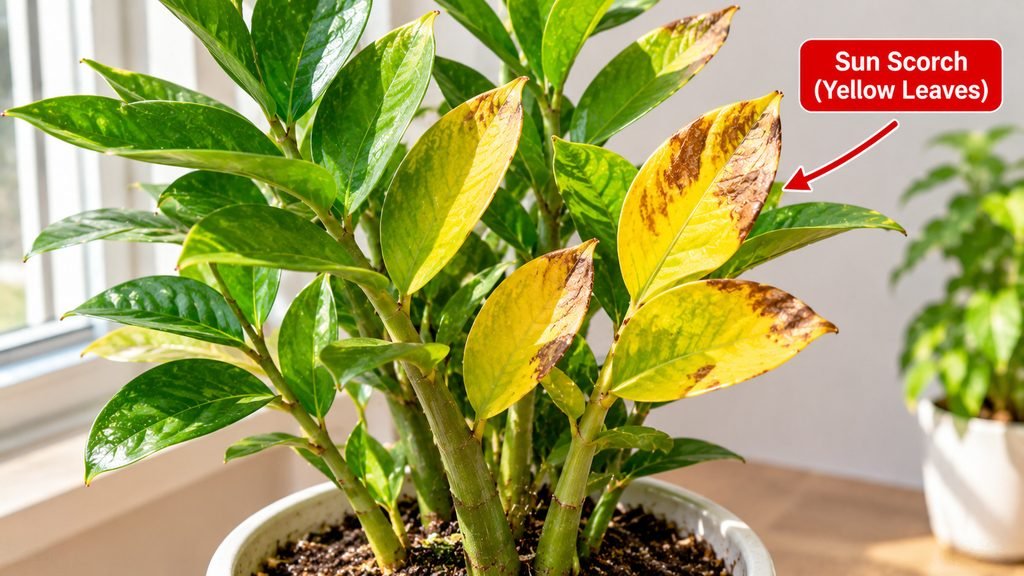
Spider plants like bright, indirect light and tolerate medium light, but they do not like direct sun. In a dim spot they grow slowly, look pale and are less likely to make plantlets. Direct sun, on the other hand, can scorch the leaves.
What to do: Move the plant to a spot with bright, indirect light, such as near an east- or north-facing window (reverse that in the Southern Hemisphere).
4. Day Length and Lighting at Night
This is a lesser-known reason. According to NC State Extension, plantlets and the stems that carry them are light dependent. They form when the mother plant gets short days and long, uninterrupted nights, with less than 12 hours of light a day, for at least three weeks. Indoors, we often leave lamps on in the evening, which may confuse the plant. Gardener’s Path also notes that indoor plants do not experience the seasonal changes that trigger blooming outdoors, so they may flower at any time of year.
What to do: Try to give the plant a long, dark night, with no lamp or screen light on it. Some growers also move the plant to a cooler, naturally lit spot in autumn. Results are not guaranteed, but it is free to try.
5. Watering Problems
Both too much and too little water weaken the plant. Soggy soil rots the roots, and a plant that is very dry for long periods is stressed and slow to make babies.
What to do: Water thoroughly when the top inch of soil is dry, let the extra water drain, and water less in winter. Use a pot with drainage holes.
6. Too Little or Too Much Fertilizer
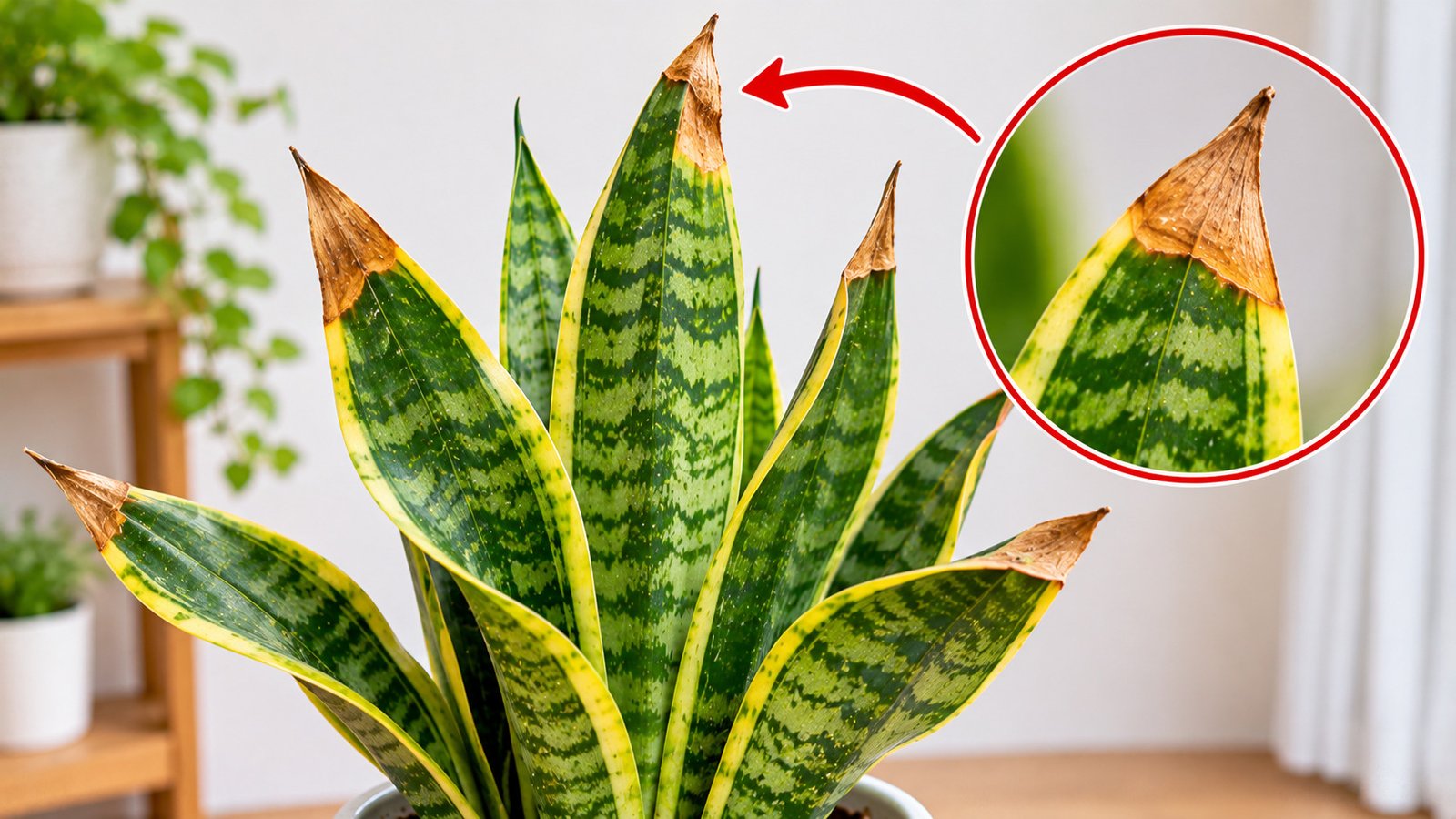
A hungry plant may not have the energy to make babies. But too much fertilizer is a bigger risk. Clemson Extension notes that leaf tip burn is caused by too much fertilizer or water with a lot of dissolved salts.
What to do: Feed lightly in spring and summer with a balanced houseplant fertilizer, following the label. If you see brown tips and a white crust on the soil, flush the soil and stop feeding for a while.
7. Stress From Repotting, Moving or Pests
A plant that has just been repotted, moved to a new spot or attacked by pests will focus on recovering, not reproducing.
What to do: Keep conditions steady and check the leaves for pests. Give the plant a few months to settle.
8. Your Variety
Not all spider plants behave the same. Some varieties, such as the curly ‘Bonnie’, are often reported to make fewer plantlets, or to start later, than the standard type. If you have a variety that is slow to make babies and otherwise healthy, there may be nothing wrong.
How to Get Your Spider Plant to Make Babies, Step by Step
- Check the age. If the plant is young, keep caring for it and be patient.
- Check the pot. If it is much bigger than the roots, move the plant to a snugger pot, or leave it until the roots fill the pot.
- Give bright, indirect light, and avoid direct sun.
- Give long, dark nights. Keep lamps off the plant at night.
- Water and feed well. Water when the top inch is dry, and feed lightly in spring and summer.
- Keep conditions steady and avoid unnecessary moves or repotting.
- Wait. It can take a few months, and sometimes longer, for the first stems with plantlets to appear.
The Male and Female Spider Plant Myth
You may have read that a spider plant not producing babies is a “male” plant. This is a myth. The Laidback Gardener, a respected horticulture writer, points out that spider plants have both male and female parts, so they are hermaphroditic. A plant that never makes babies is not male. The cause is almost always age, pot size, light or care.
How Long Does It Take?
There is no fixed timetable. Many healthy plants start to make plantlets after a year or more, and some take years. A young spider plant not producing babies simply needs time. In outdoor conditions, plantlets are most common in autumn, and indoors they can appear at other times. If you have fixed the pot, light and care, wait several months before you worry.
What to Do When the Babies Appear
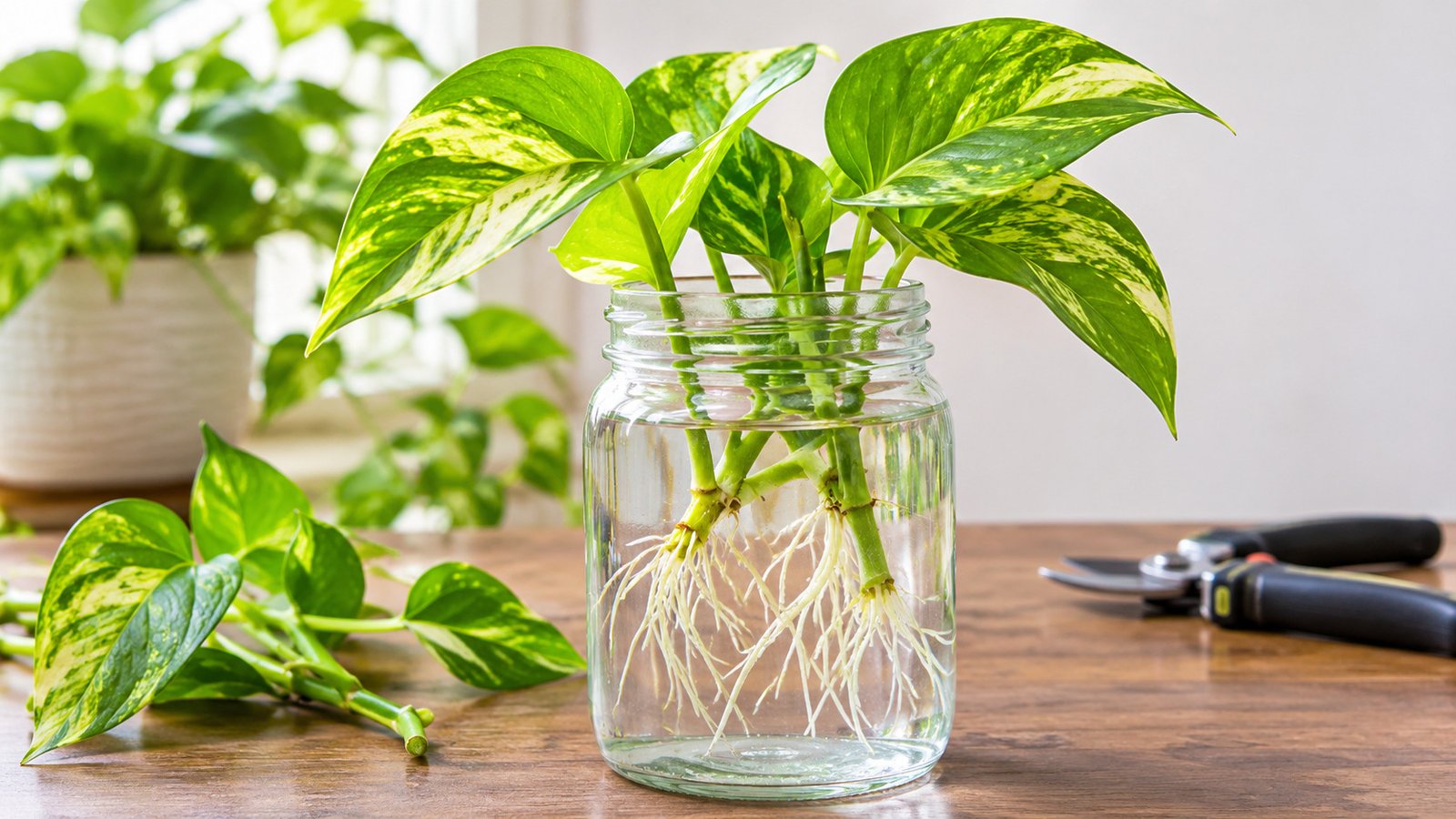
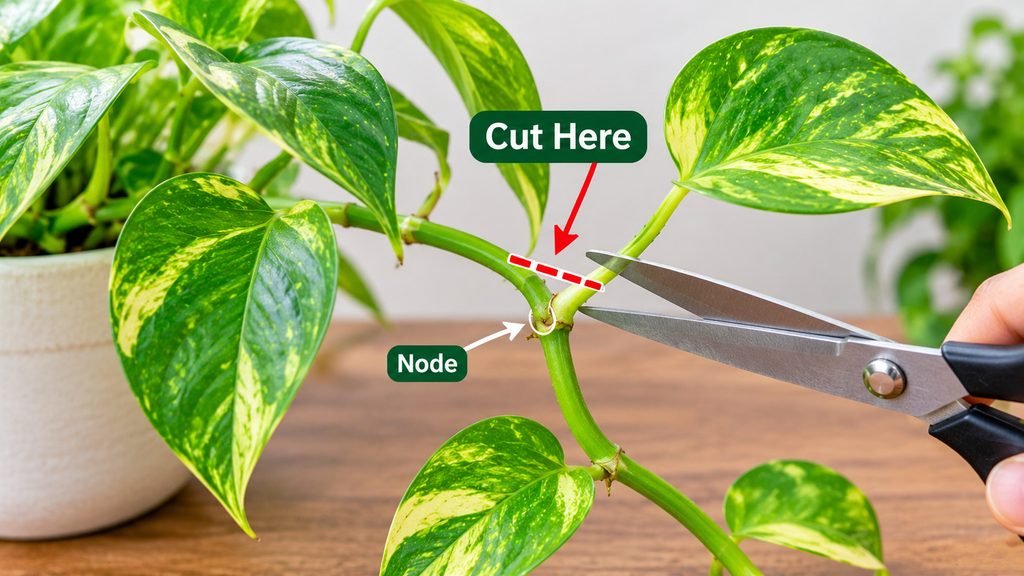
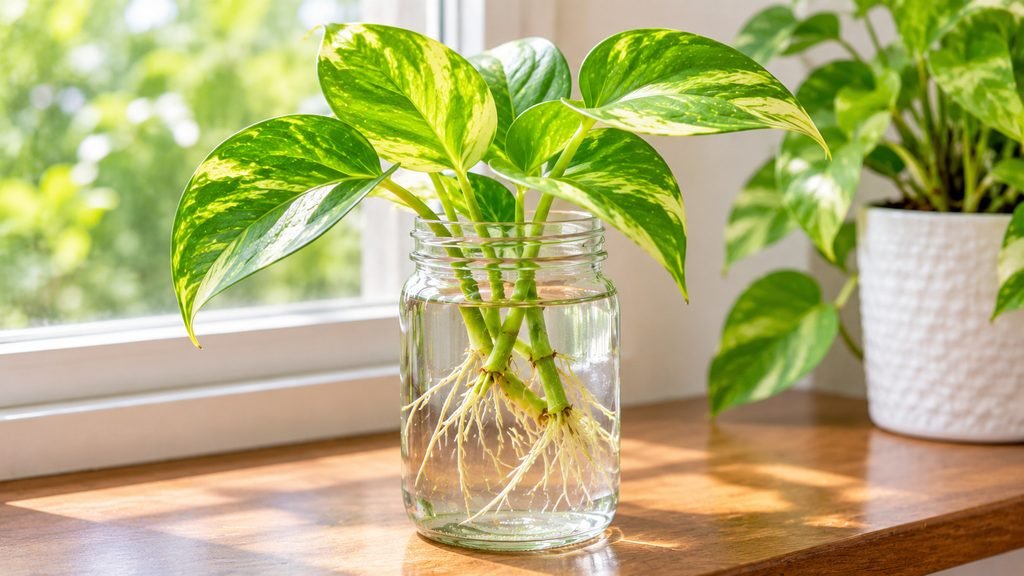
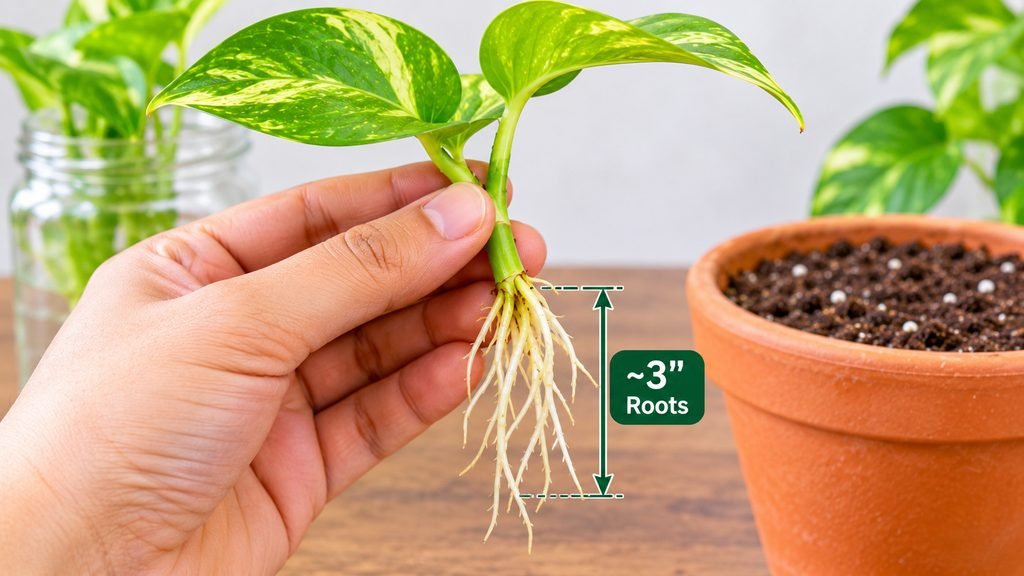
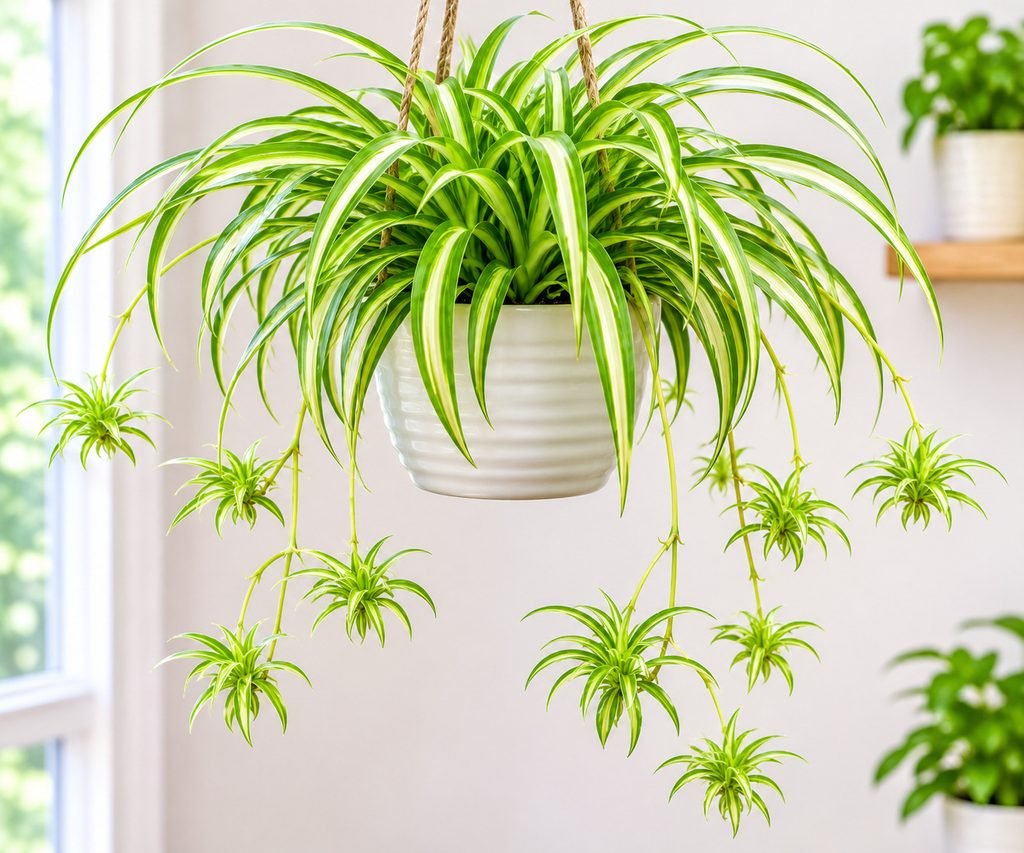
Once plantlets appear, you can leave them on the mother plant, or propagate them. Clemson Extension notes that you can start new plants from plantlets at any time of year. Detach a baby once it has small roots, and pot it directly into moist potting mix. You can also root plantlets in water, much like cuttings. Our guide to Pothos Propagation shows similar steps. Removing some babies also means the mother plant puts less energy into them.
Safety Note for Pets
Good news for pet owners: spider plants are listed by the ASPCA as non-toxic to cats and dogs, so they are a popular choice for homes with pets. Even so, chewing any plant can upset a stomach, so discourage pets from nibbling. See our Best Low Light Indoor Plants guide for more pet-safe picks.
Frequently Asked Questions
Why is my spider plant not making babies?
Usually because it is too young, the pot is too big, or the light is not right. Check these first.
Does my spider plant need to flower to make babies?
The plantlets grow on the long stems, which also carry the small flowers. Plantlets often form where flowers were, so both are part of the same process.
Should I repot my spider plant to get babies?
Not unless it is truly pot-bound. A pot that is too big can reduce babies. Only repot when roots push out or the pot bulges, and go up only one size.
Can I make a spider plant produce babies faster?
You cannot force it, but a mature plant in a snug pot, bright indirect light, steady watering and long dark nights has the best chance.
Is it bad if my spider plant never makes babies?
No. If the leaves are healthy and growing, the plant is fine. Some plants and varieties simply make fewer babies.
Final Thoughts
A spider plant not producing babies is rarely a sign of a real problem. Check the plant’s age, make sure the pot is snug, give it bright, indirect light and long dark nights, and keep your care steady. Then be patient. The little spiderettes will show up when the plant is ready.
Related reading: Best Low Light Indoor Plants, Pothos Propagation and How to Make Pothos Bushier